

Wormwood - Artemisia absinthium
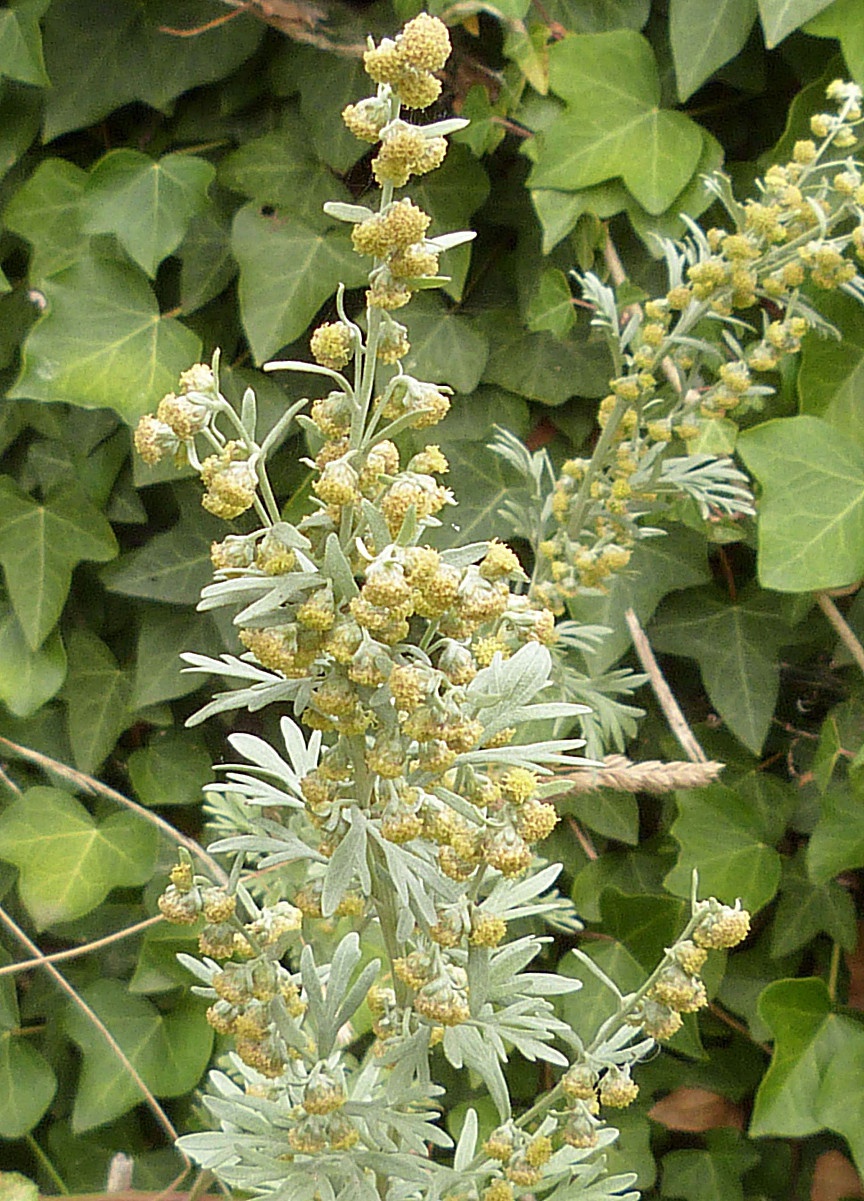
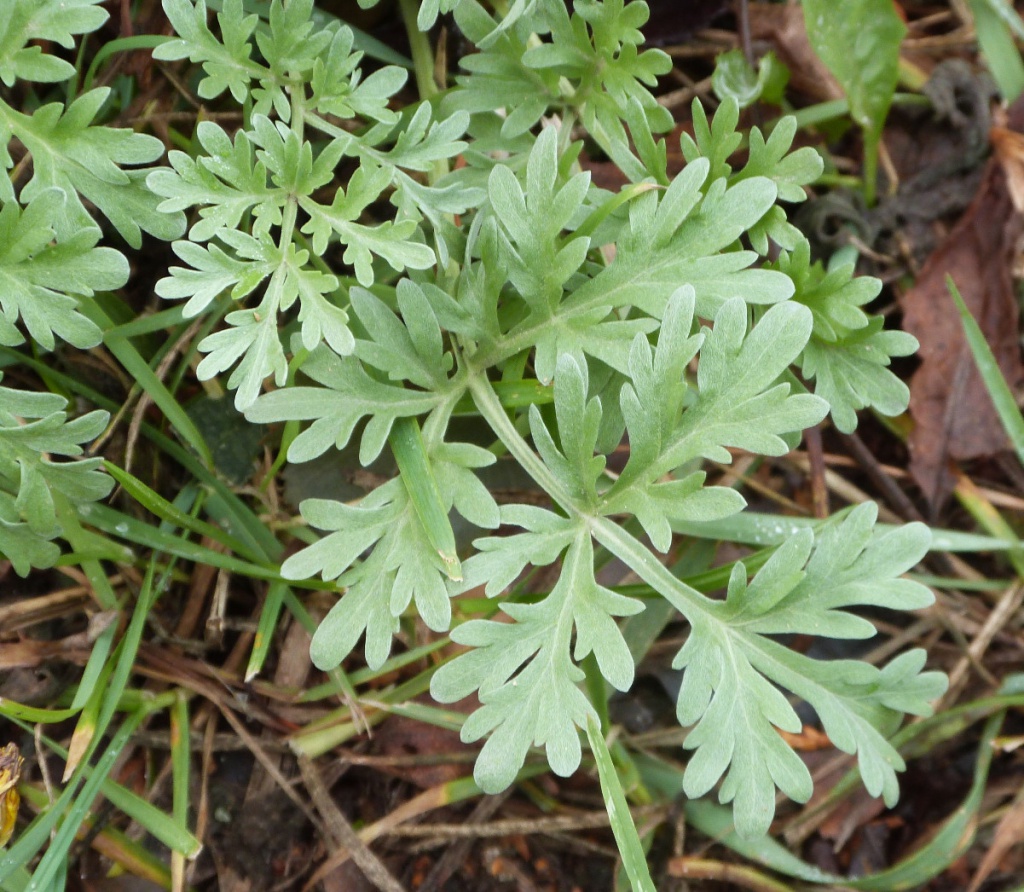
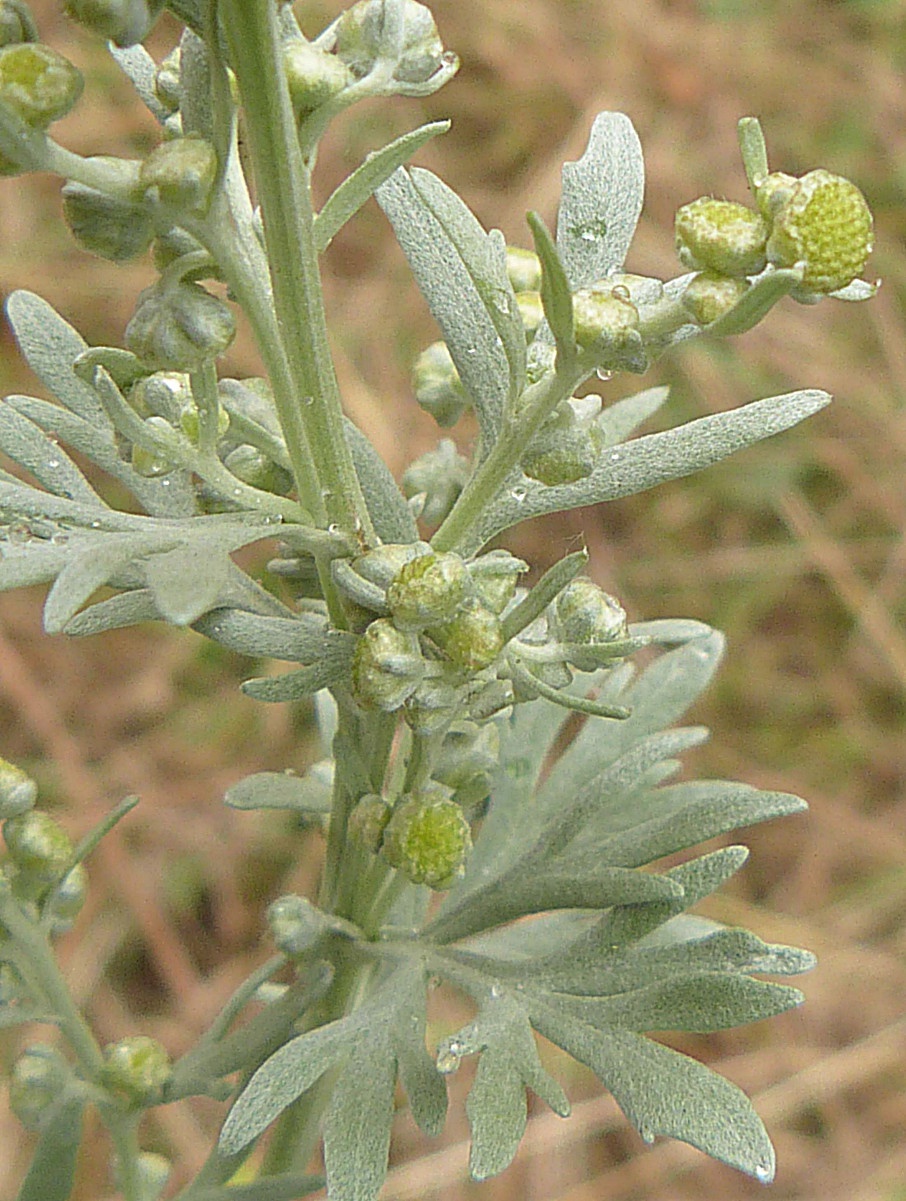
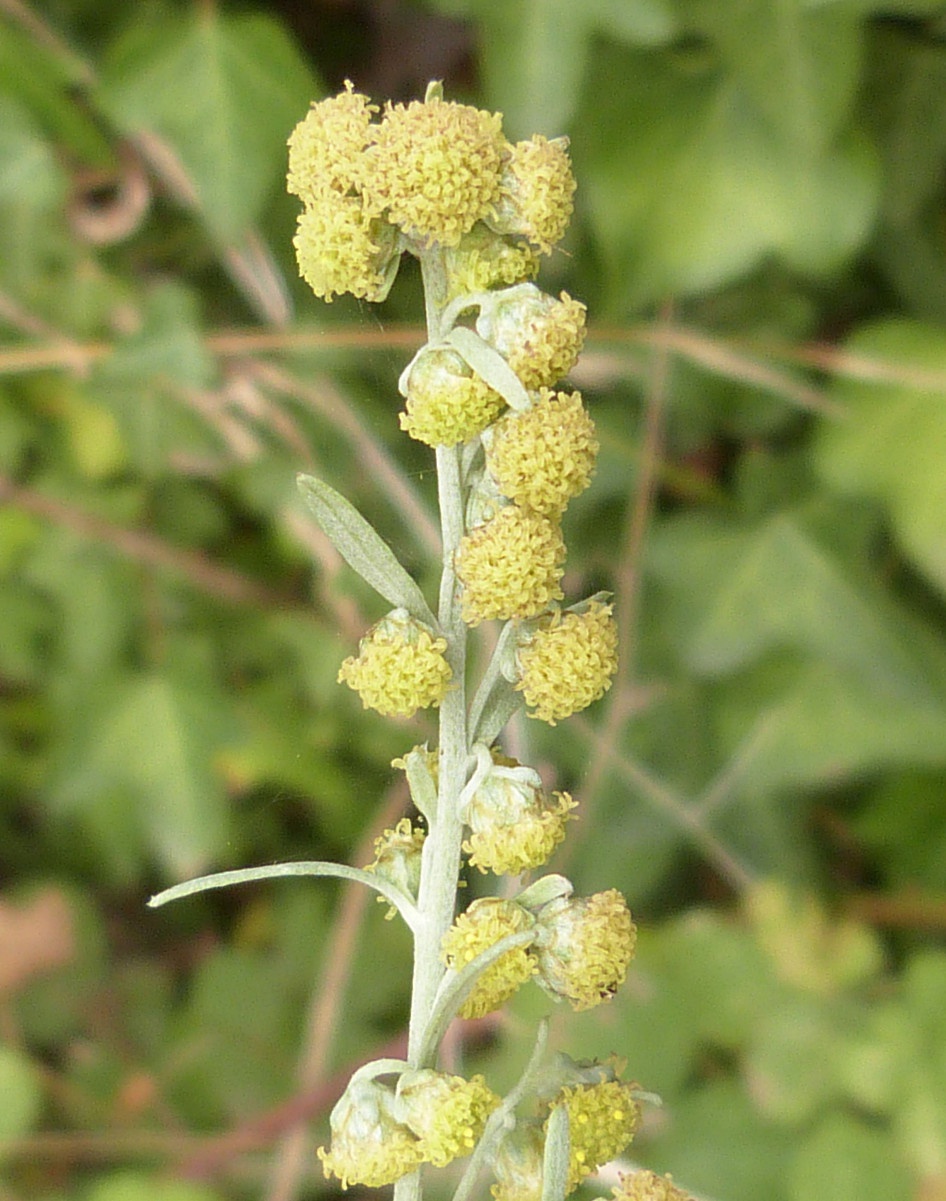
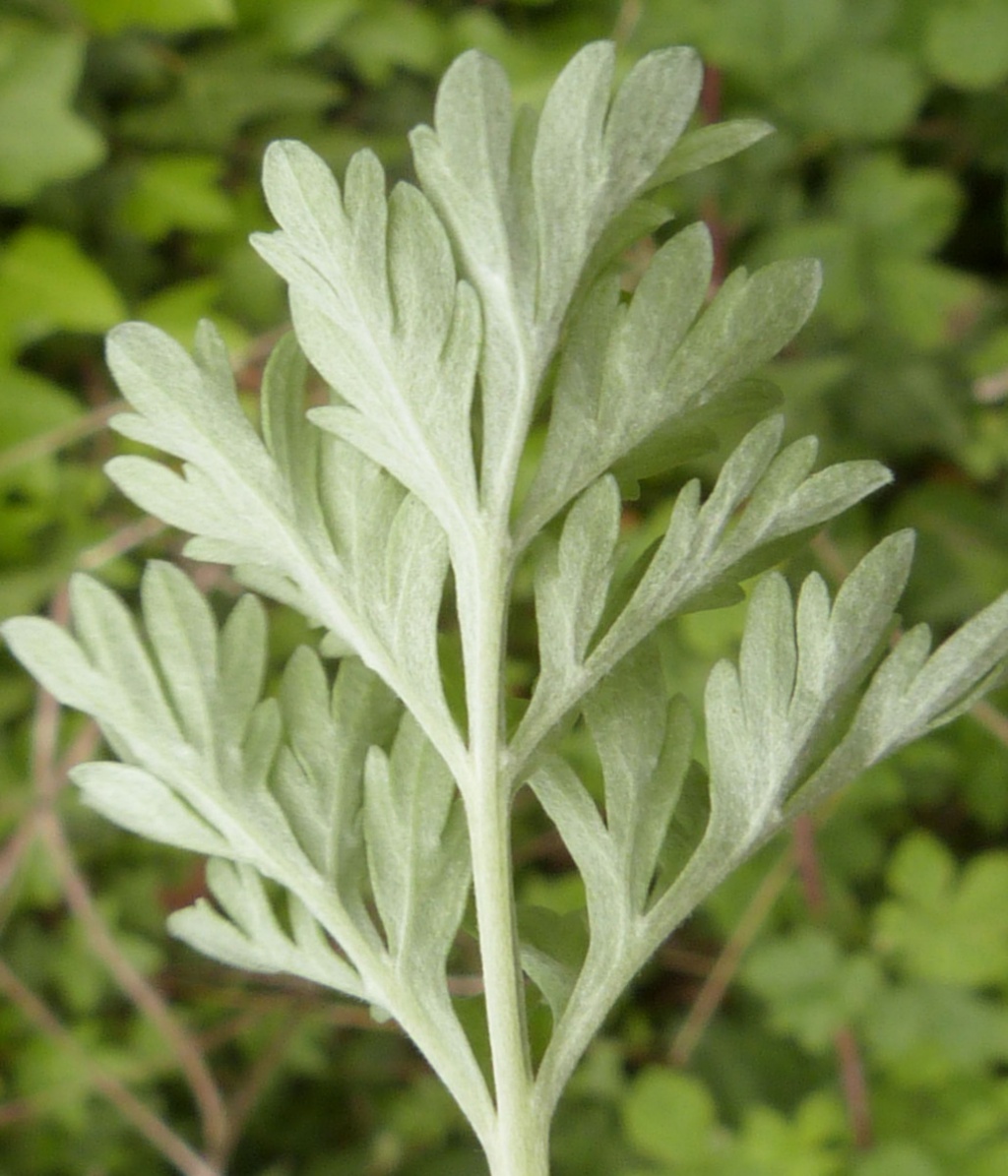
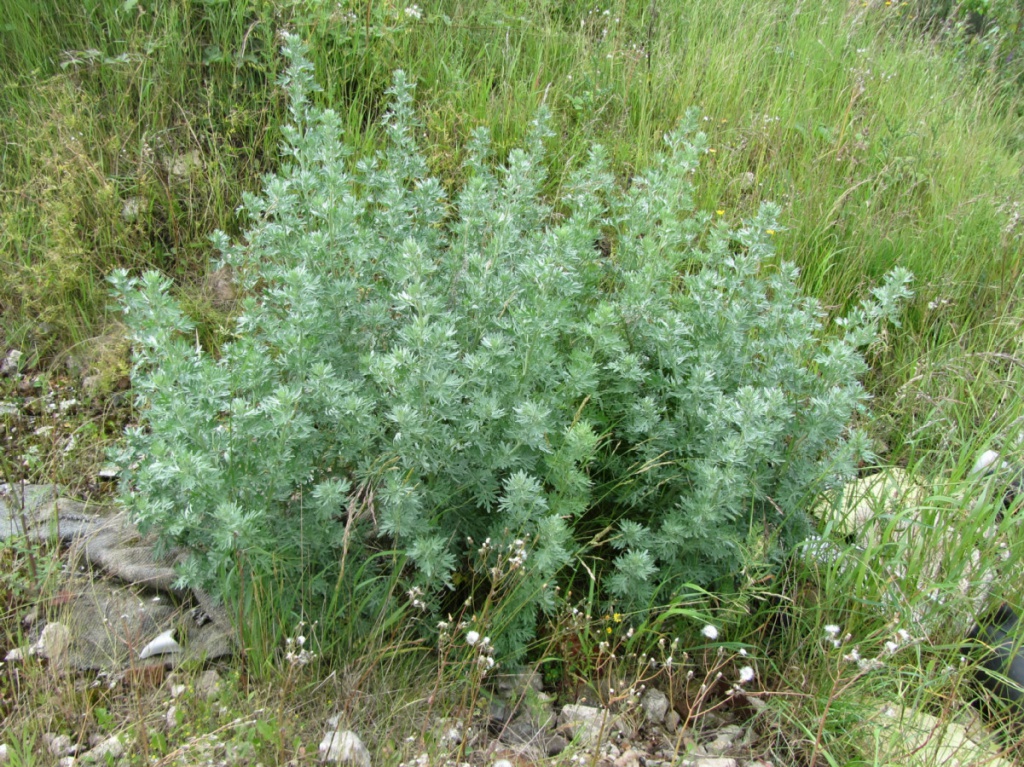
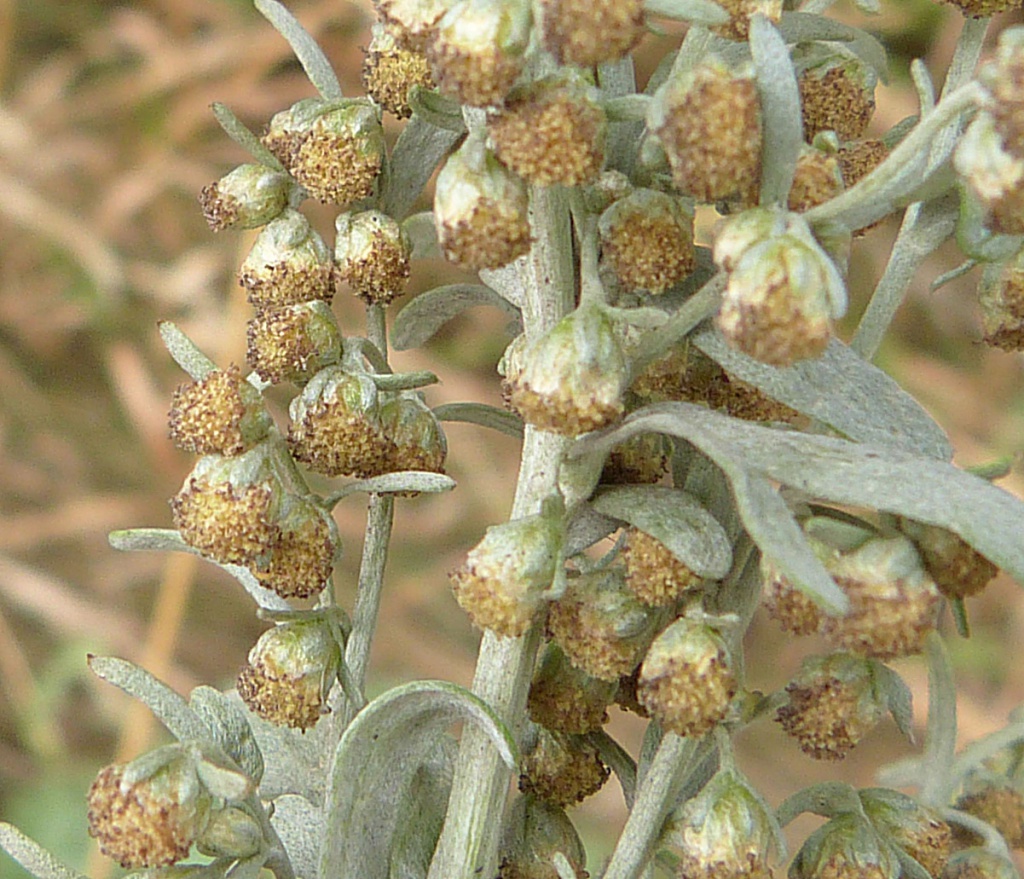
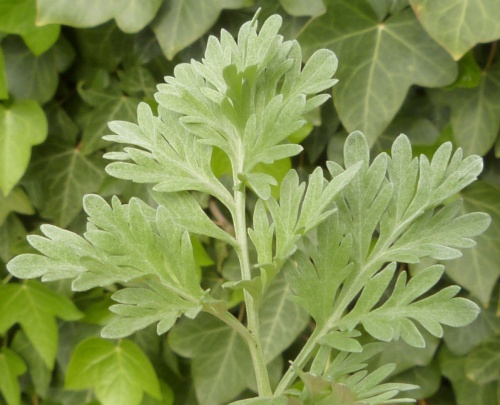
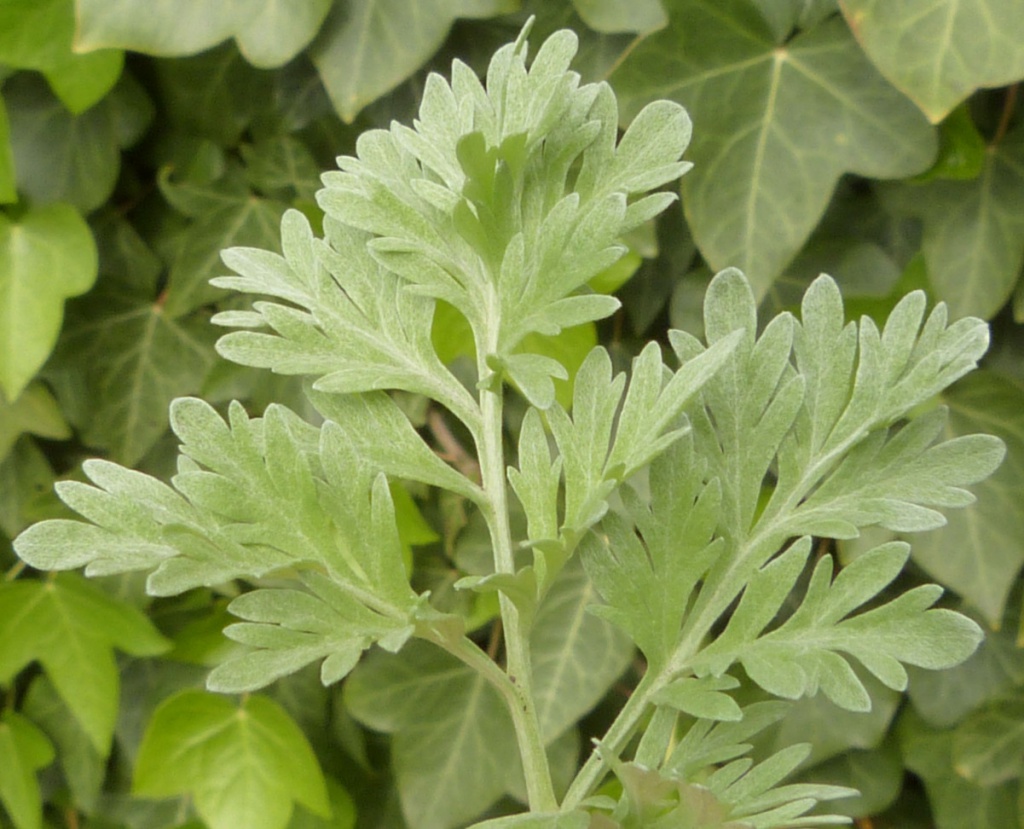
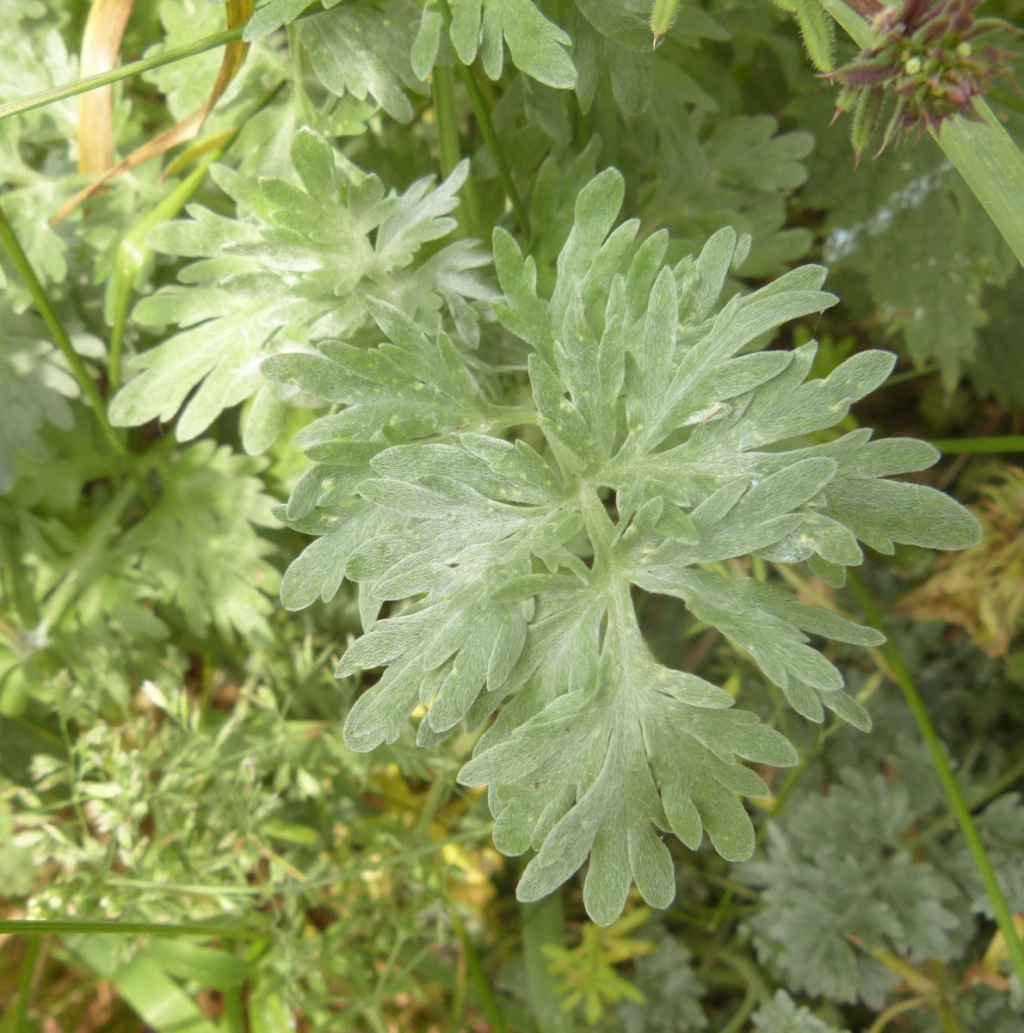
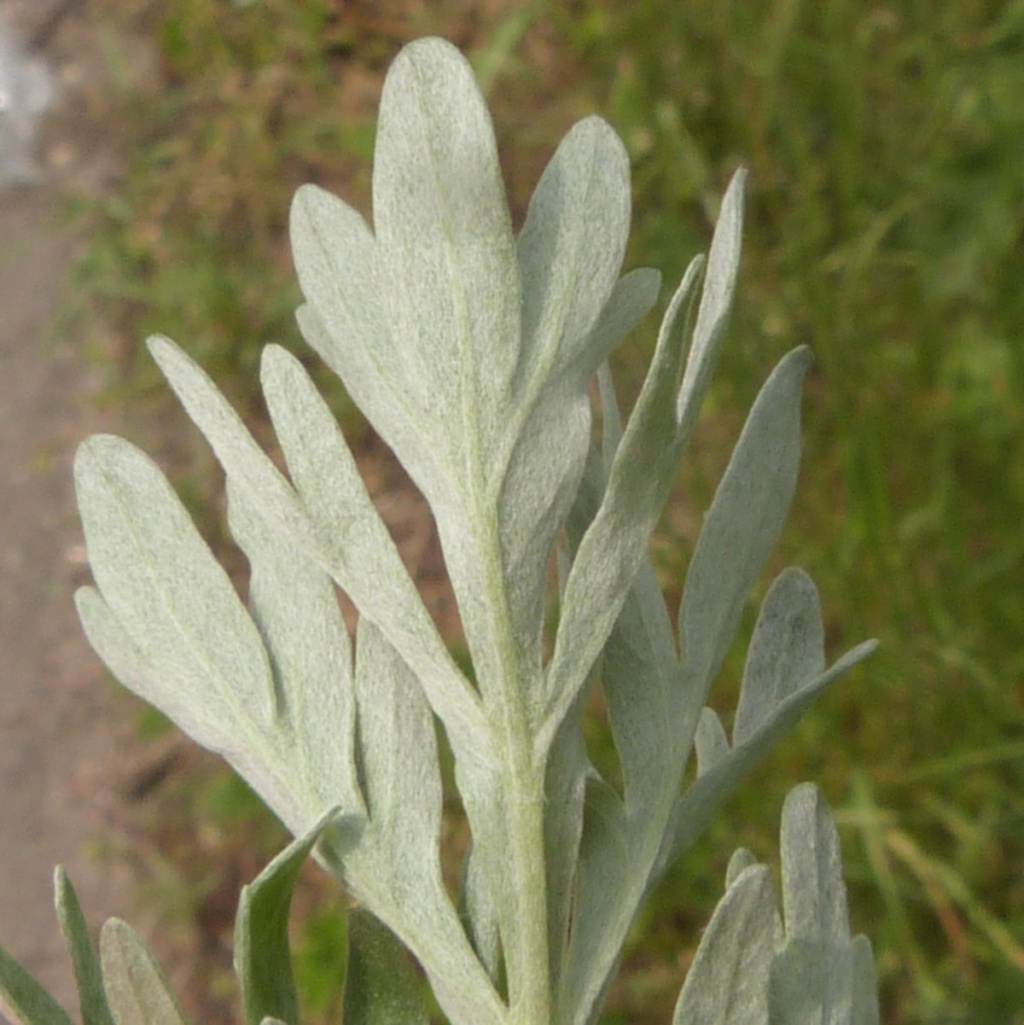
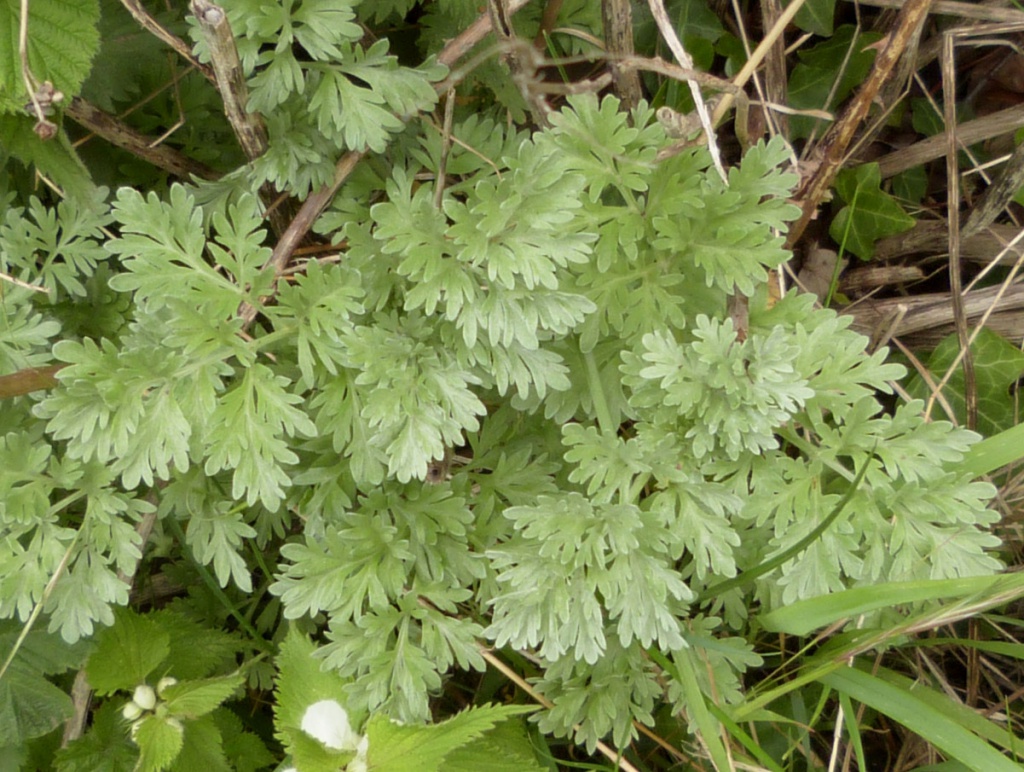
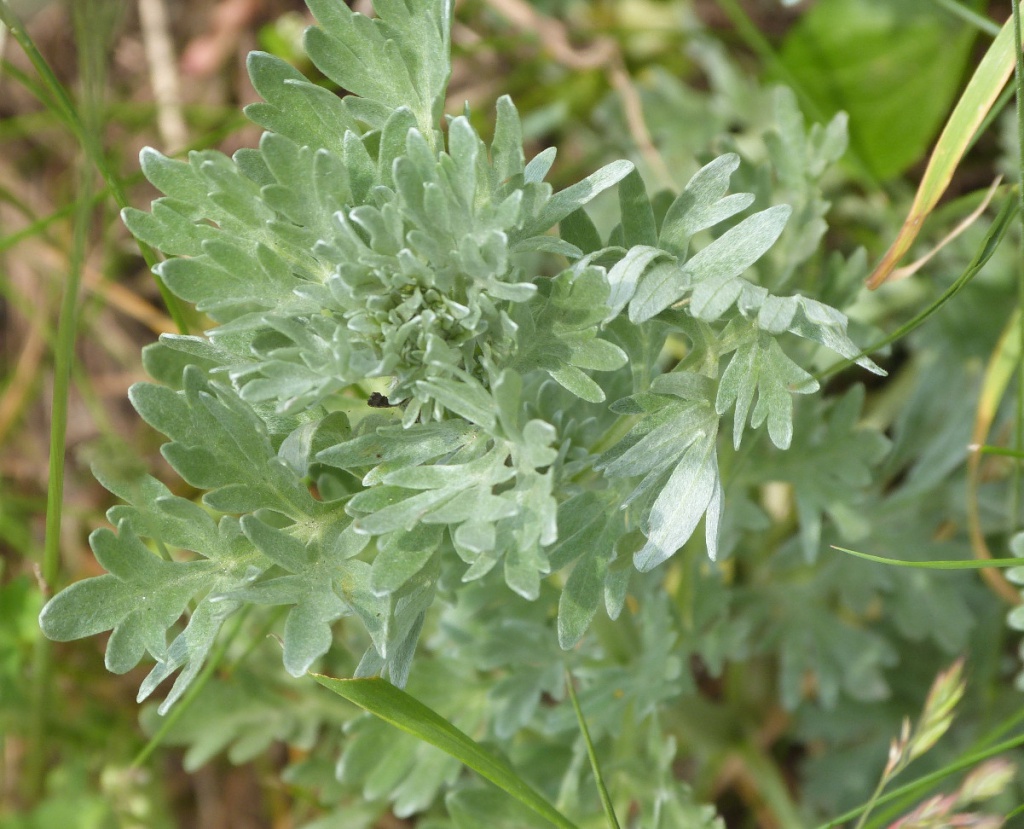
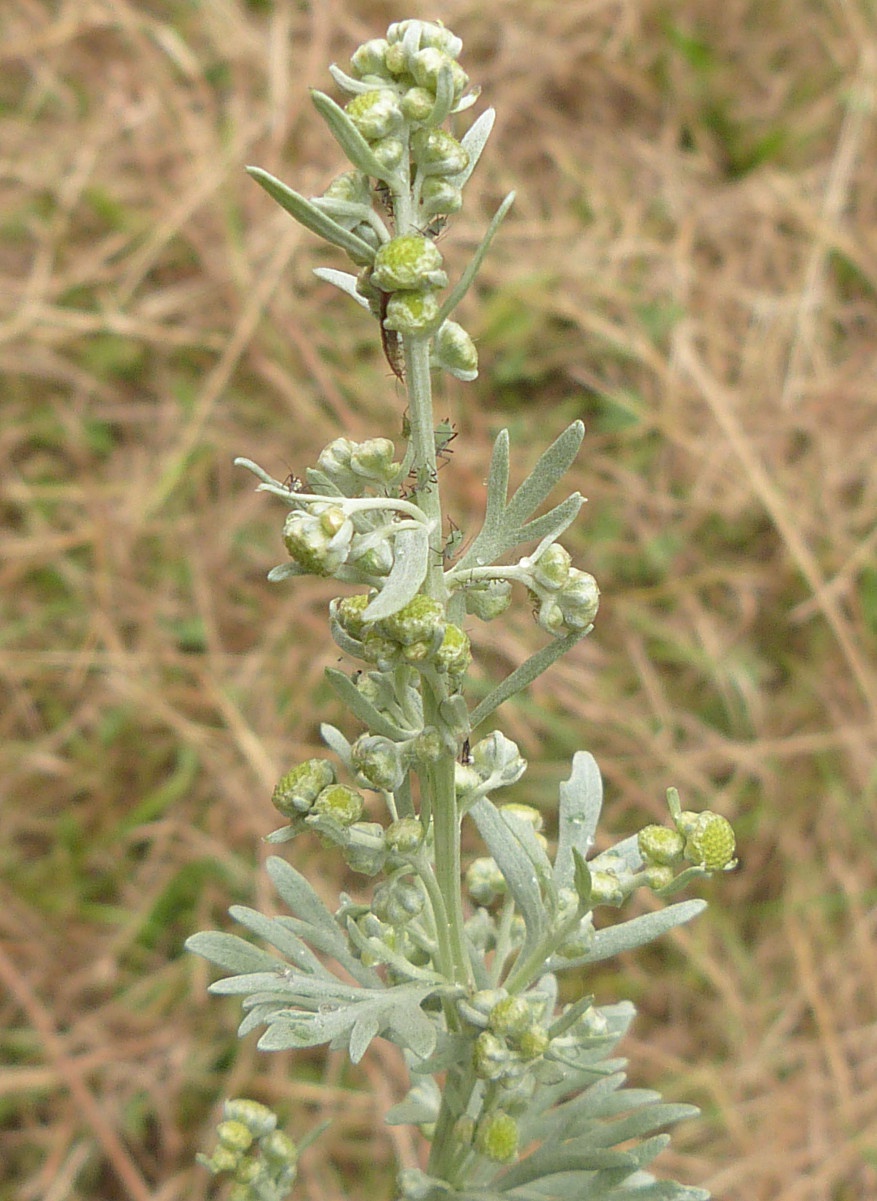
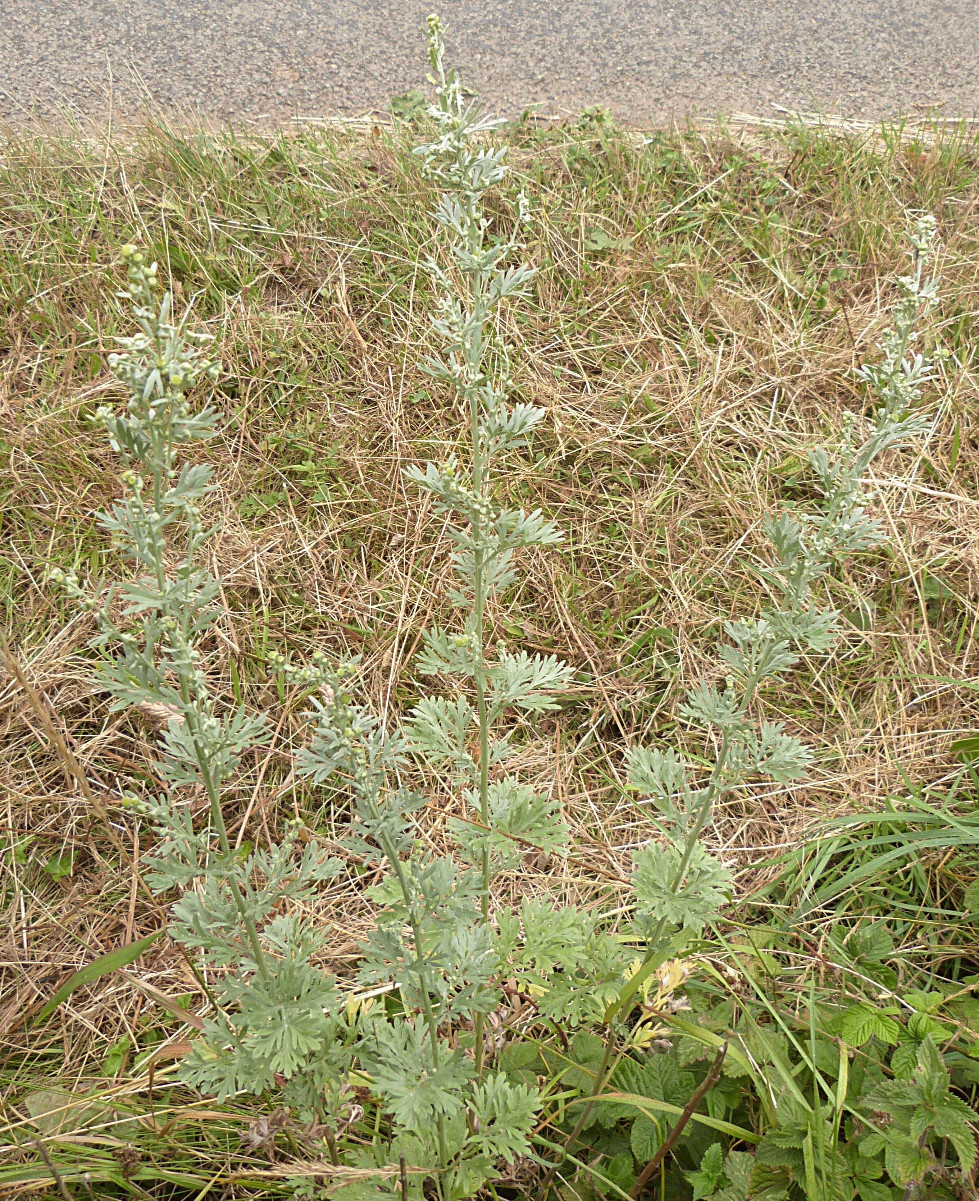
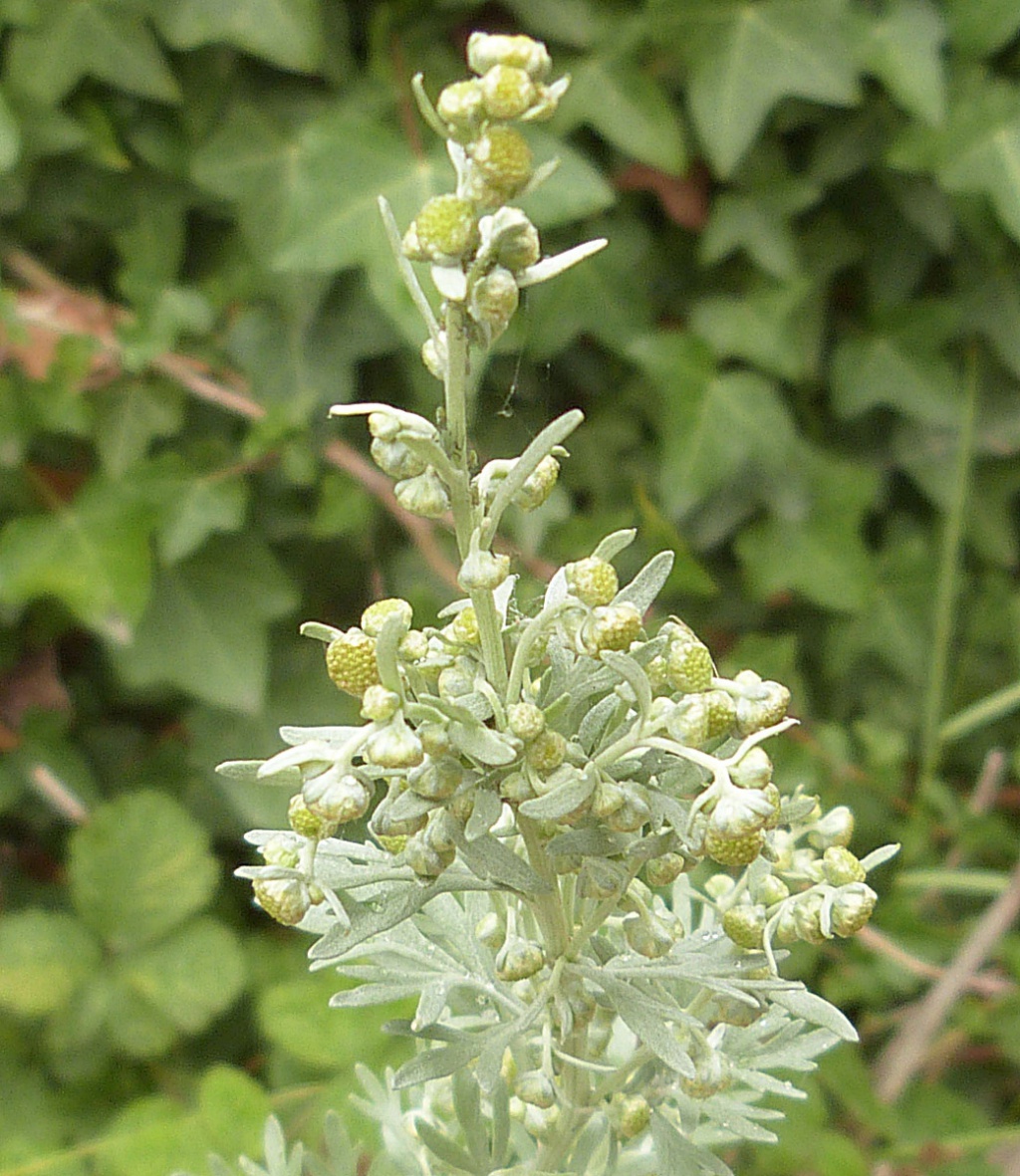
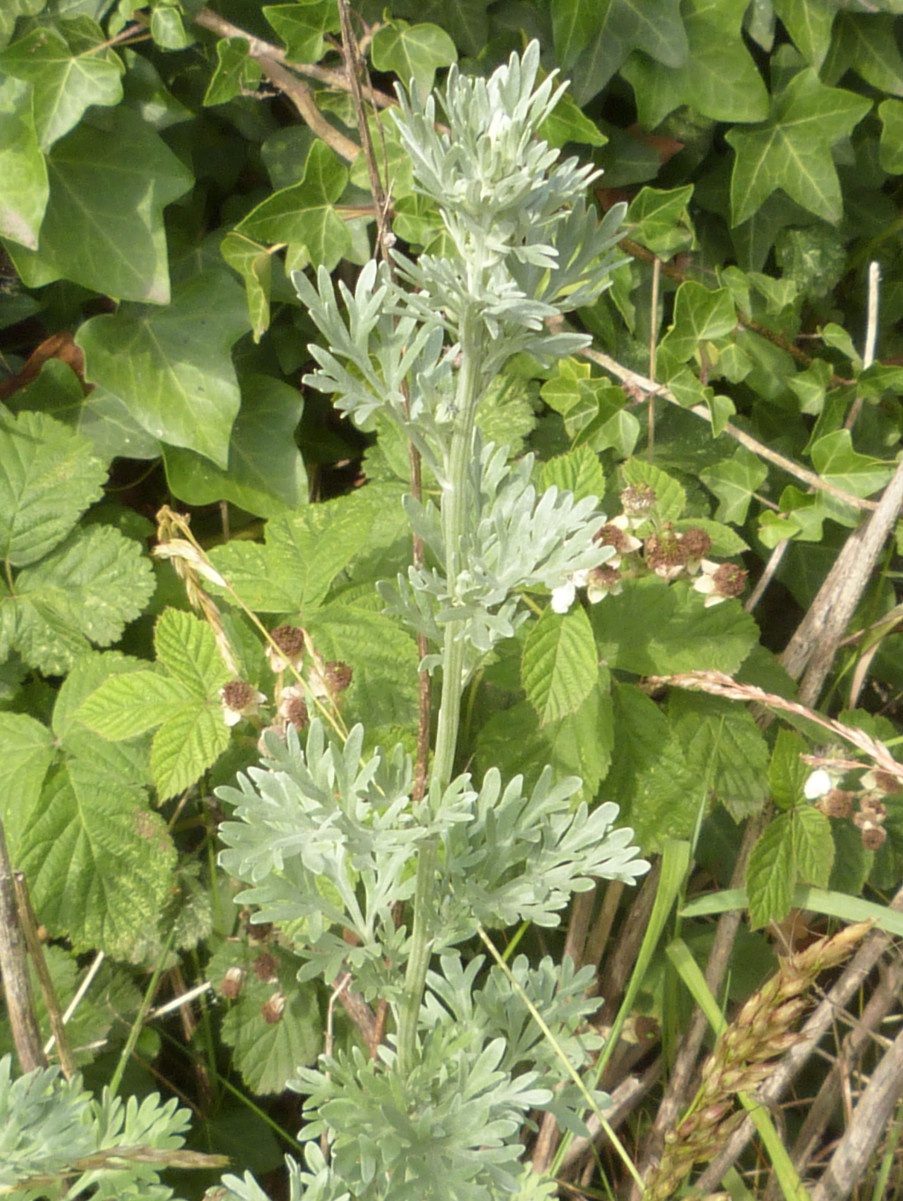
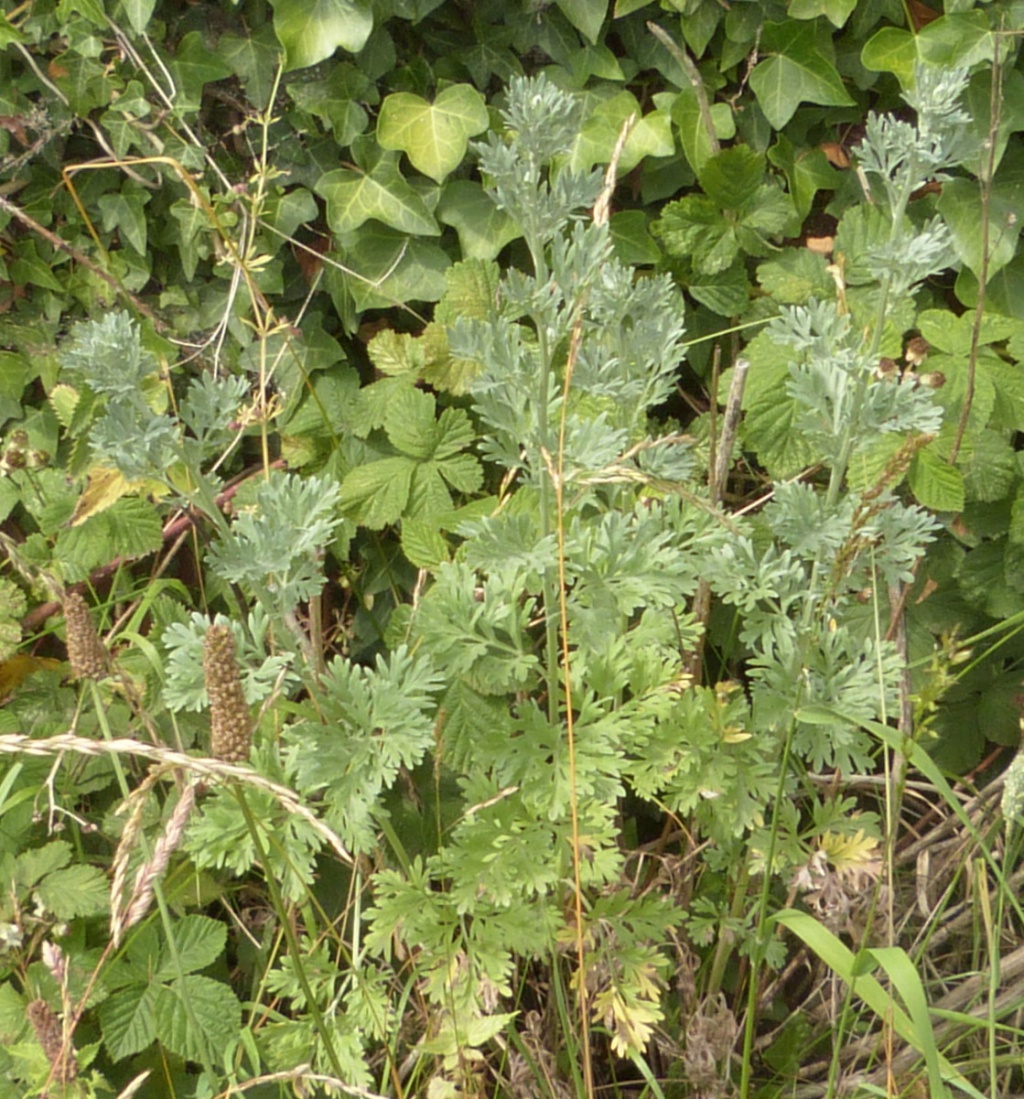
Medium to tall, strongly aromatic, silkily hairy, often tufted plant. Stems grooved, somewhat woody below. Leaves 2-3 pinnately lobed, stalked, silkily white on both surfaces. Flowerheads 3 mm, yellowish, sub globose, nodding in long panicles.
Mugwort (Artemisia vulgaris)

Mature leaves with dense grey-white hairs on the upperside
A photograph of the whole plant
Roadside verges, waste ground and coastal habitats.
Flowers July and August.
Perennial
Found throughout England and Wales, but mostly coastal elsewhere in Britain.
Local in Leicestershire and Rutland, found mostly around Leicester and in the west of our area where it can be quite frequent. In the 1979 Flora survey of Leicestershire it was found in 142 of the 617 tetrads.
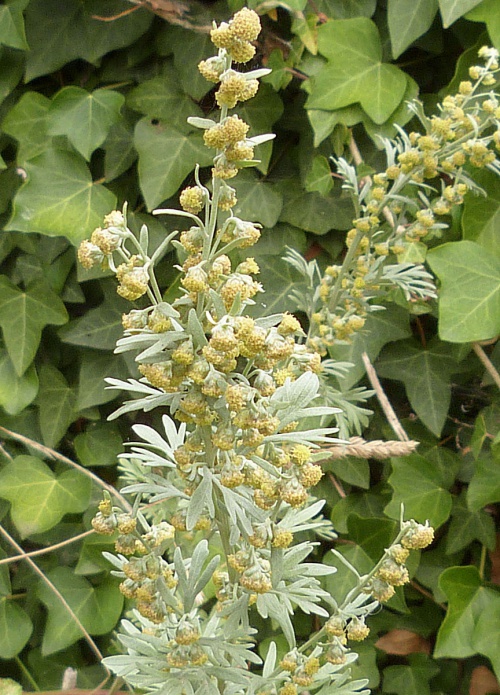 Graham Calow
Hinckley Lane, Wykin
18 August 2015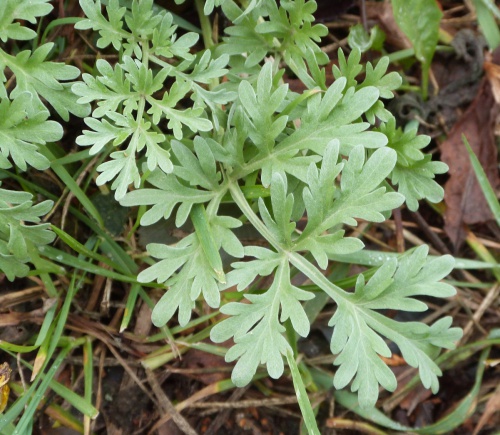 Graham Calow
Sapcote, Hinckley Road
01 October 2020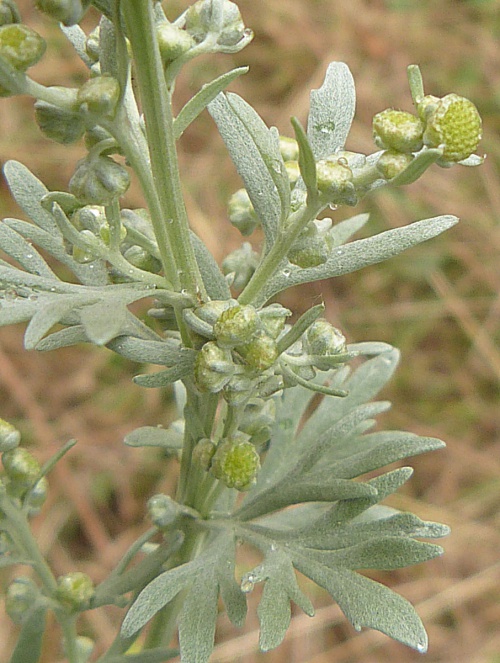 Graham Calow
Hinckley Lane, Wykin
24 July 2015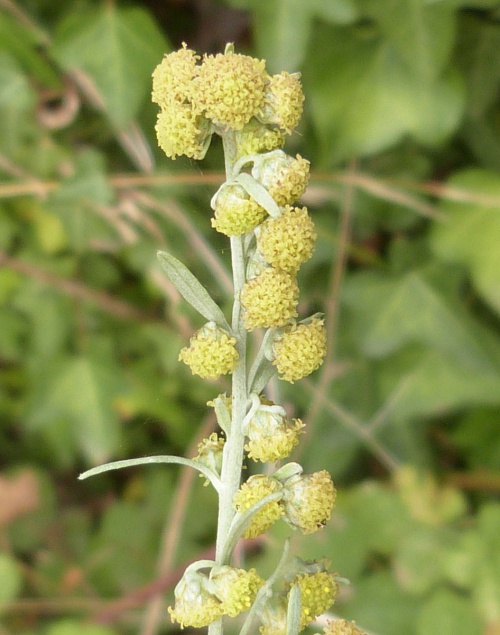 Graham Calow
Hinckley Lane, Wykin
18 August 2015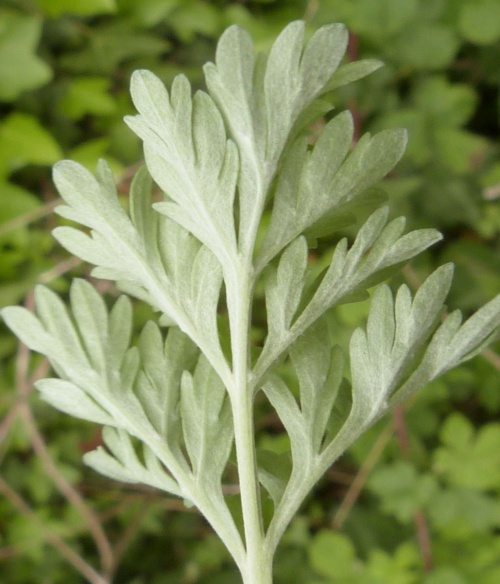 Graham Calow
Wykin
12 May 2015
leaf underside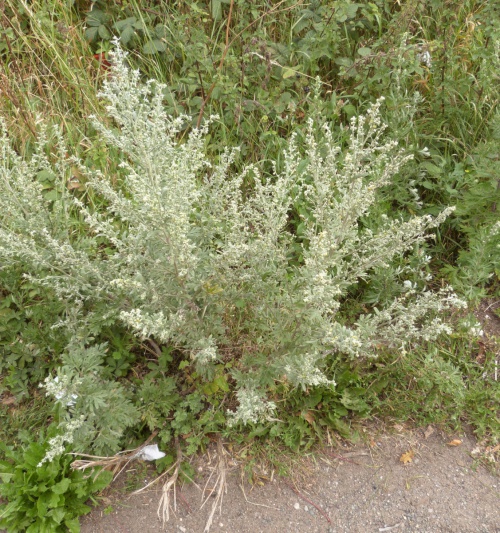 Graham Calow
A5 Witherley
06 August 2015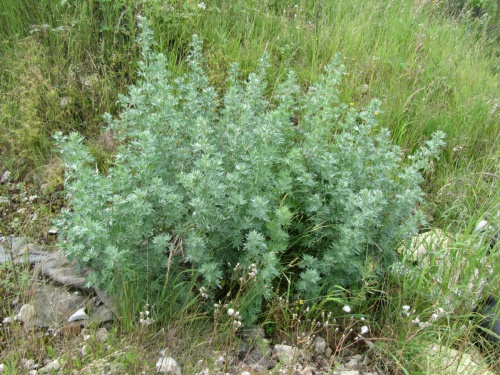 Adrian Russell
Belgrave wasteground
23 June 2012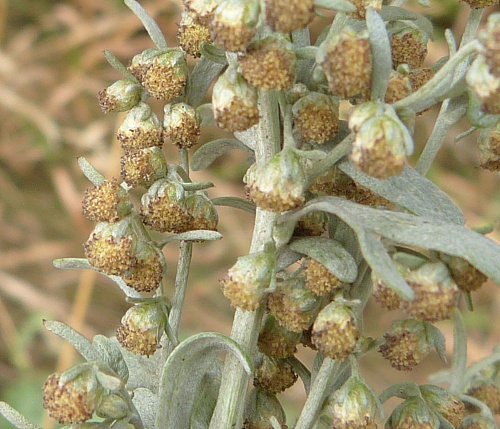 Graham Calow
A5 near High Cross
22 August 2016

Leicestershire & Rutland Map
Enter a town or village to see local records
MAP KEY:
Yellow squares = NBN records (all known data)
Coloured circles = NatureSpot records: 2025+ | 2020-2024 | pre-2020
UK Map
Species profile
- Common names
- Wormwood
- Species group:
- flowering plant
- Kingdom:
- Plantae
- Order:
- Asterales
- Family:
- Asteraceae
- Records on NatureSpot:
- 31
- First record:
- 24/08/1996 (Steve Woodward)
- Last record:
- 01/05/2024 (Calow, Graham)
Total records by month
% of records within its species group
10km squares with records
The latest images and records displayed below include those awaiting verification checks so we cannot guarantee that every identification is correct. Once accepted, the record displays a green tick.
In the Latest Records section, click on the header to sort A-Z, and again to sort Z-A. Use the header boxes to filter the list.
Latest images
Latest records
 Graham Calow
Wykin
12 May 2015
leaf upper surface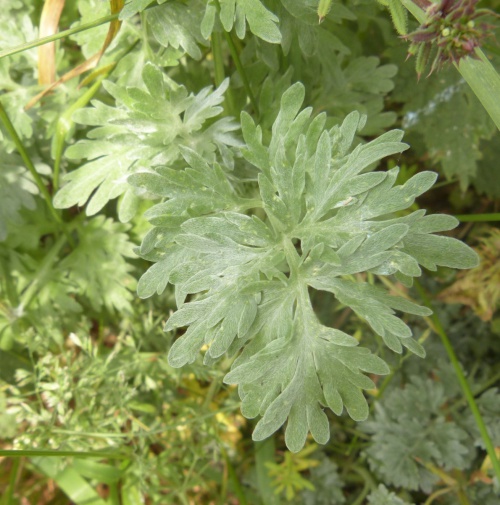 Graham Calow
A5 near High Cross
07 June 2016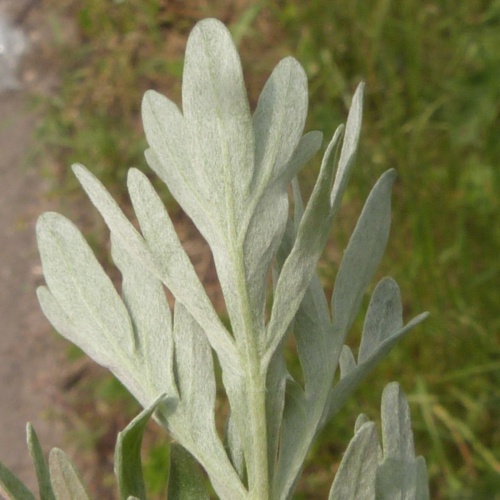 Graham Calow
A5 near High Cross
07 June 2016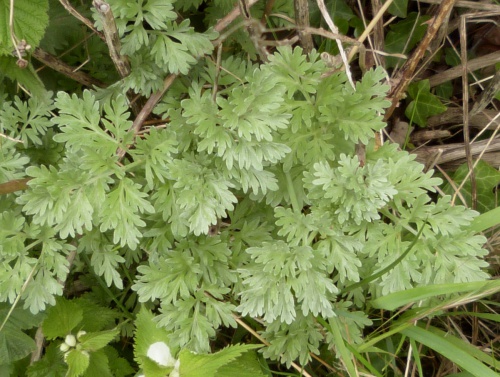 Graham Calow
Wykin
12 May 2015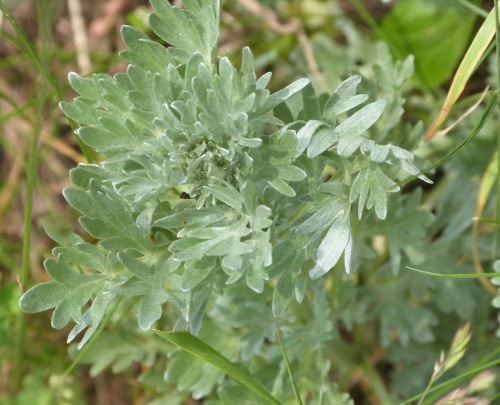 Graham Calow
A5 near High Cross
07 June 2016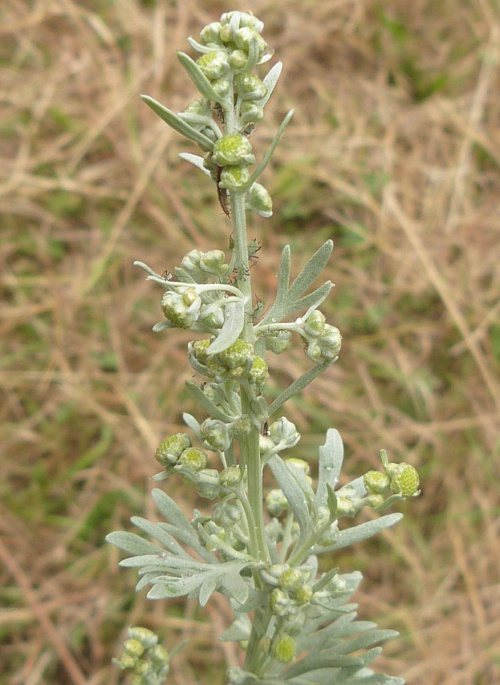 Graham Calow
Hinckley Lane, Wykin
24 July 2015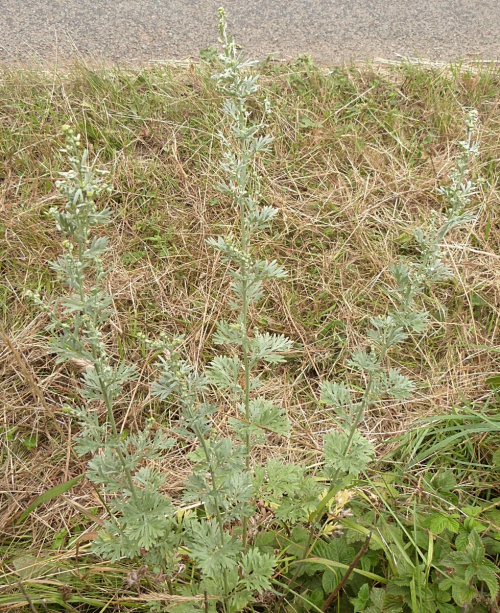 Graham Calow
Hinckley Lane, Wykin
24 July 2015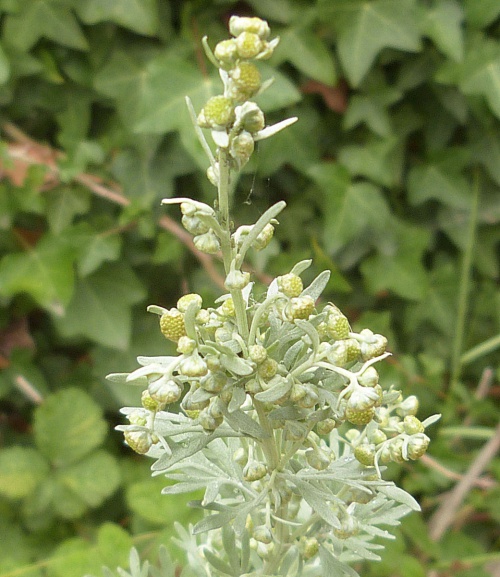 Graham Calow
Hinckley Lane, Wykin
24 July 2015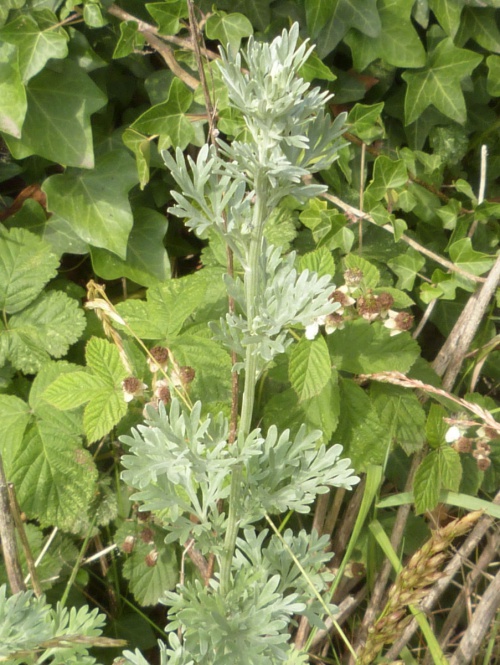 Graham Calow
Hinckley Lane, Wykin
04 July 2015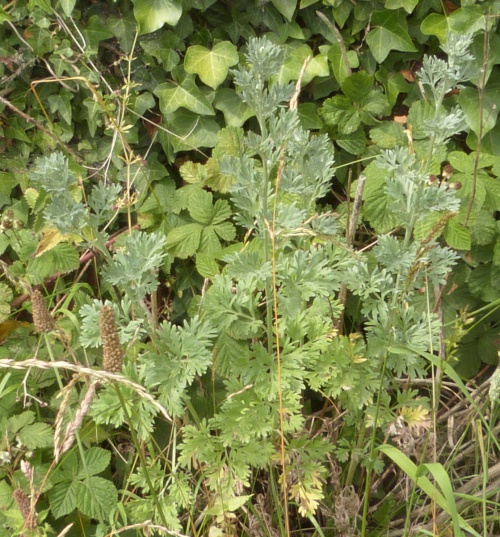 Graham Calow
Hinckley Lane, Wykin
04 July 2015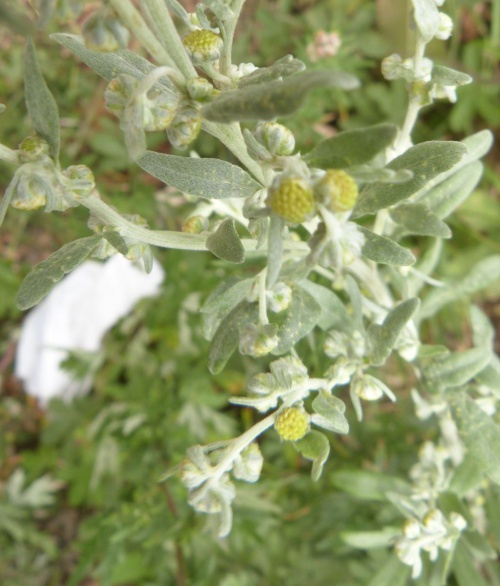 Graham Calow
A5 Witherley
06 August 2015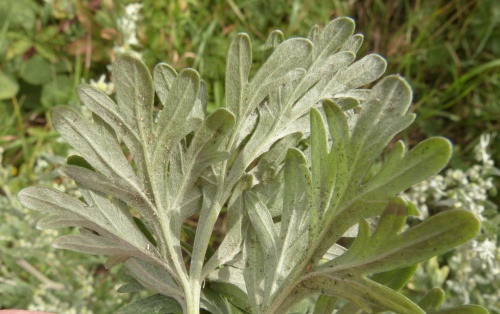 Graham Calow
A5 Witherley
06 August 2015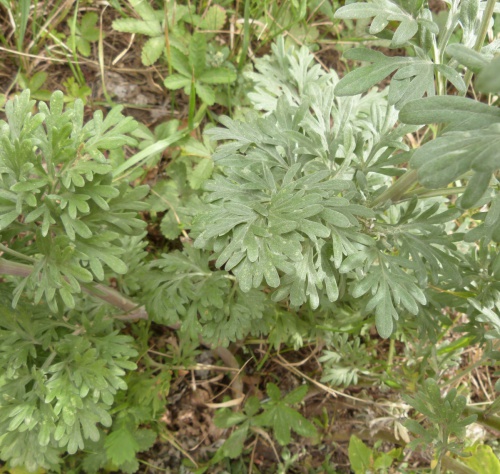 Graham Calow
A5 Witherley
06 August 2015


Macrosiphoniella absinthii
The aphid Macrosiphoniella absinthii is associated with Wormwood and other Artemisia species such as Mugwort. The apterae have a body length of 1.7 to 2.5 mm. It is reddish-brown and wax-powdered. It has a black head, antennae, legs, siphunculi and cauda, and a black spot in the centre of the abdomen which is highlighted by a white surround of powdered wax. The siphunculi are very thick and short.