

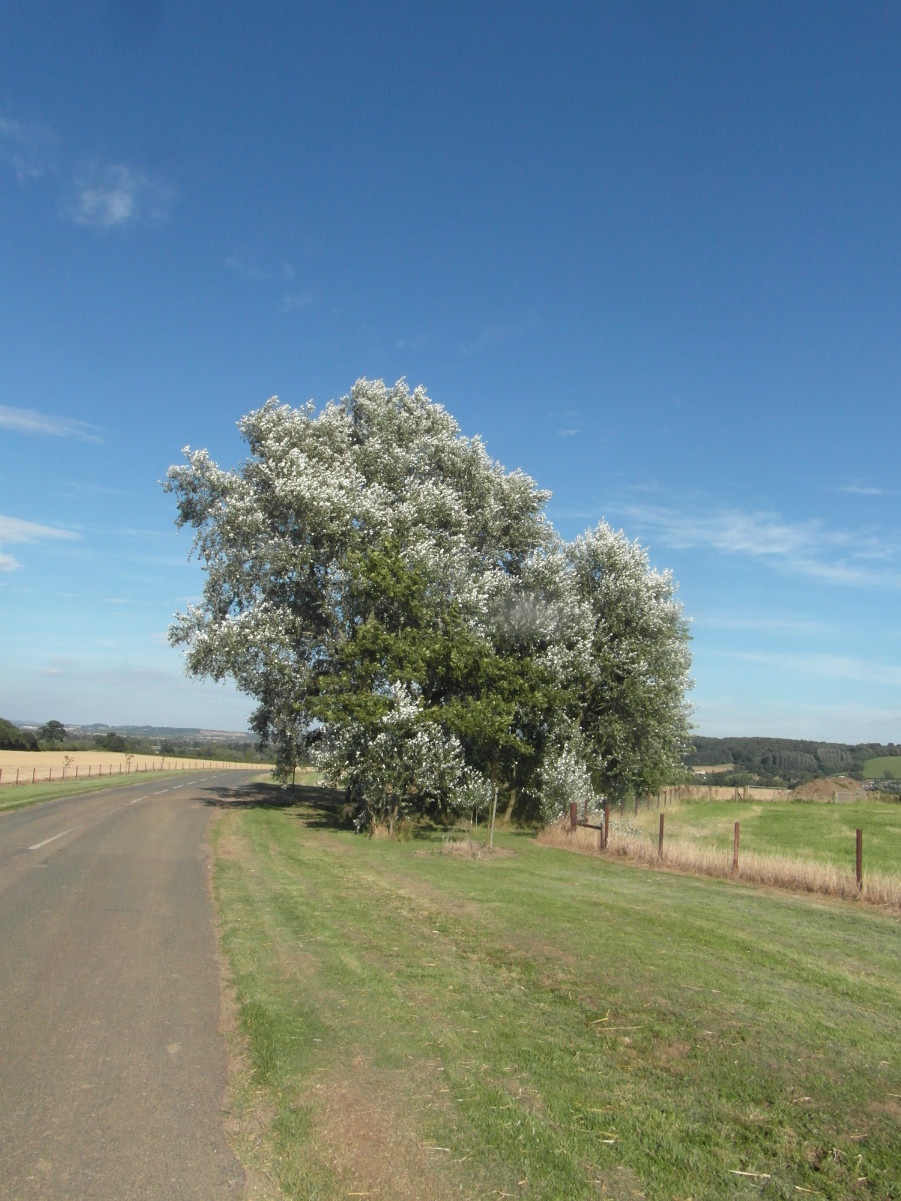
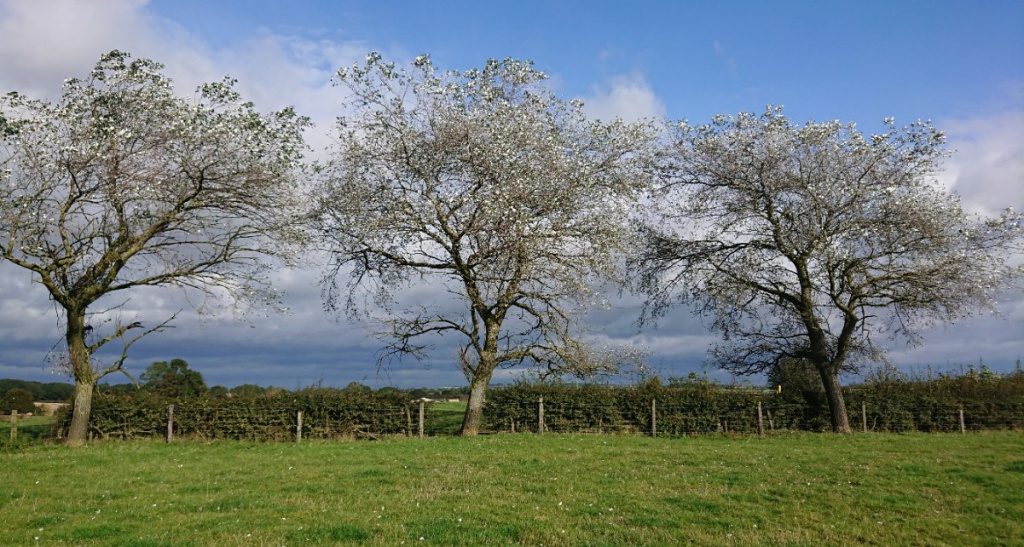
White Poplar - Populus alba
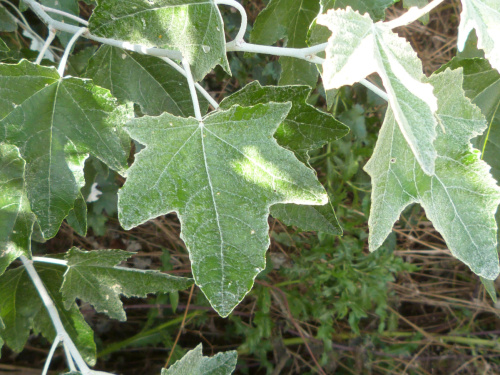
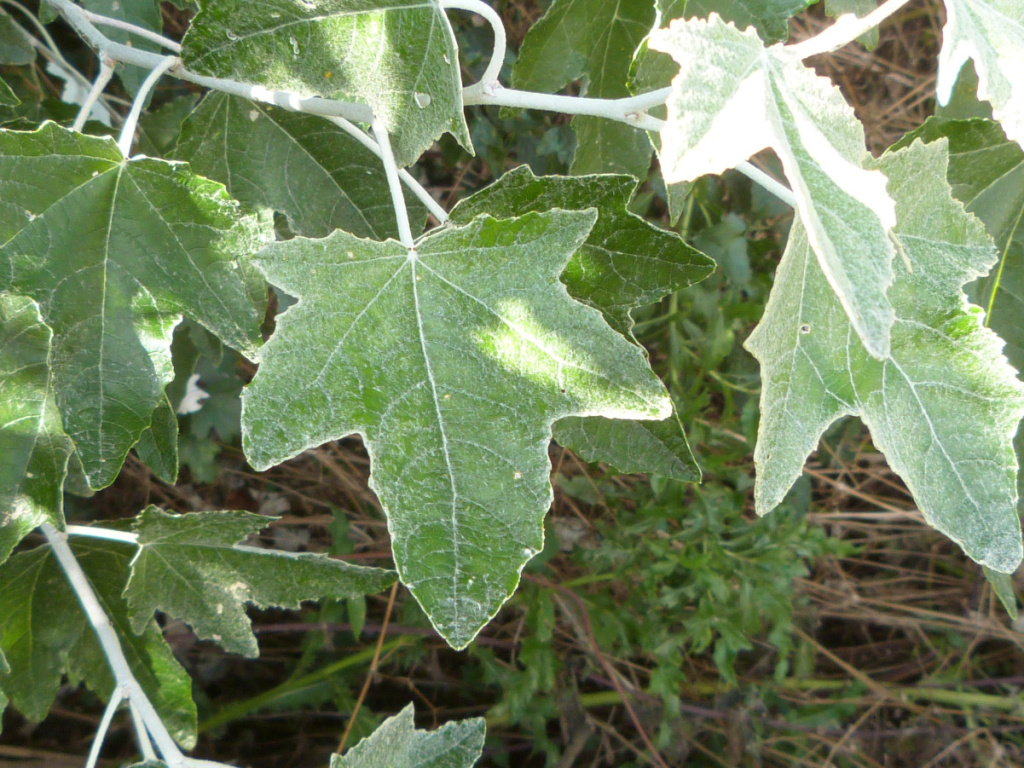
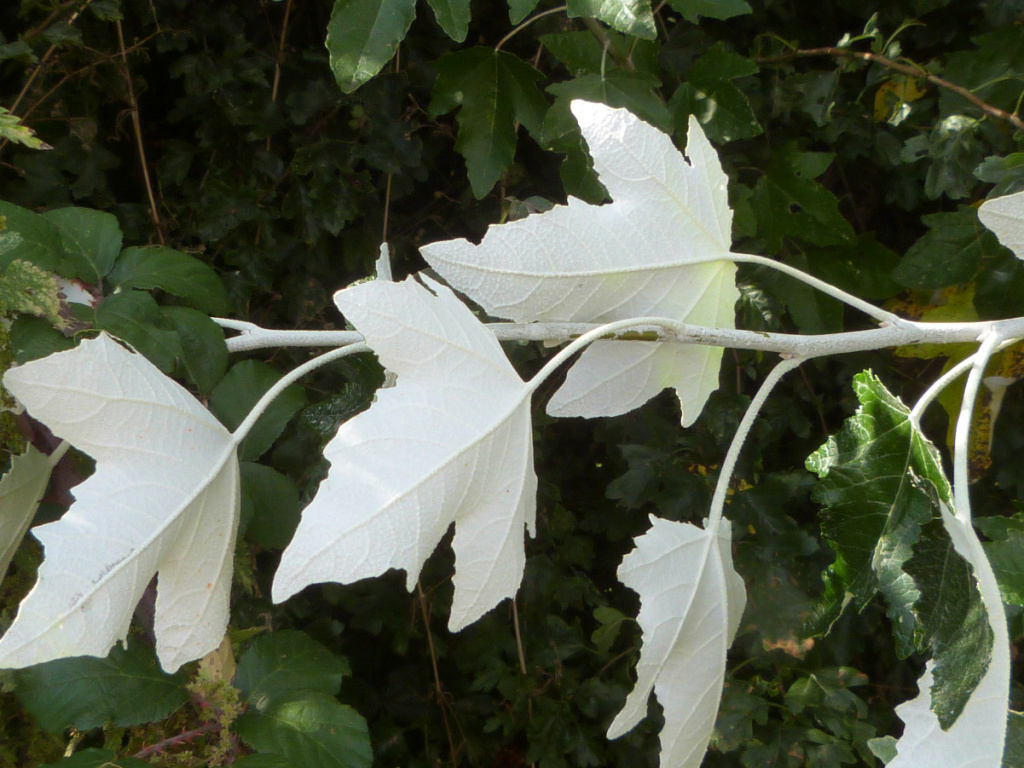
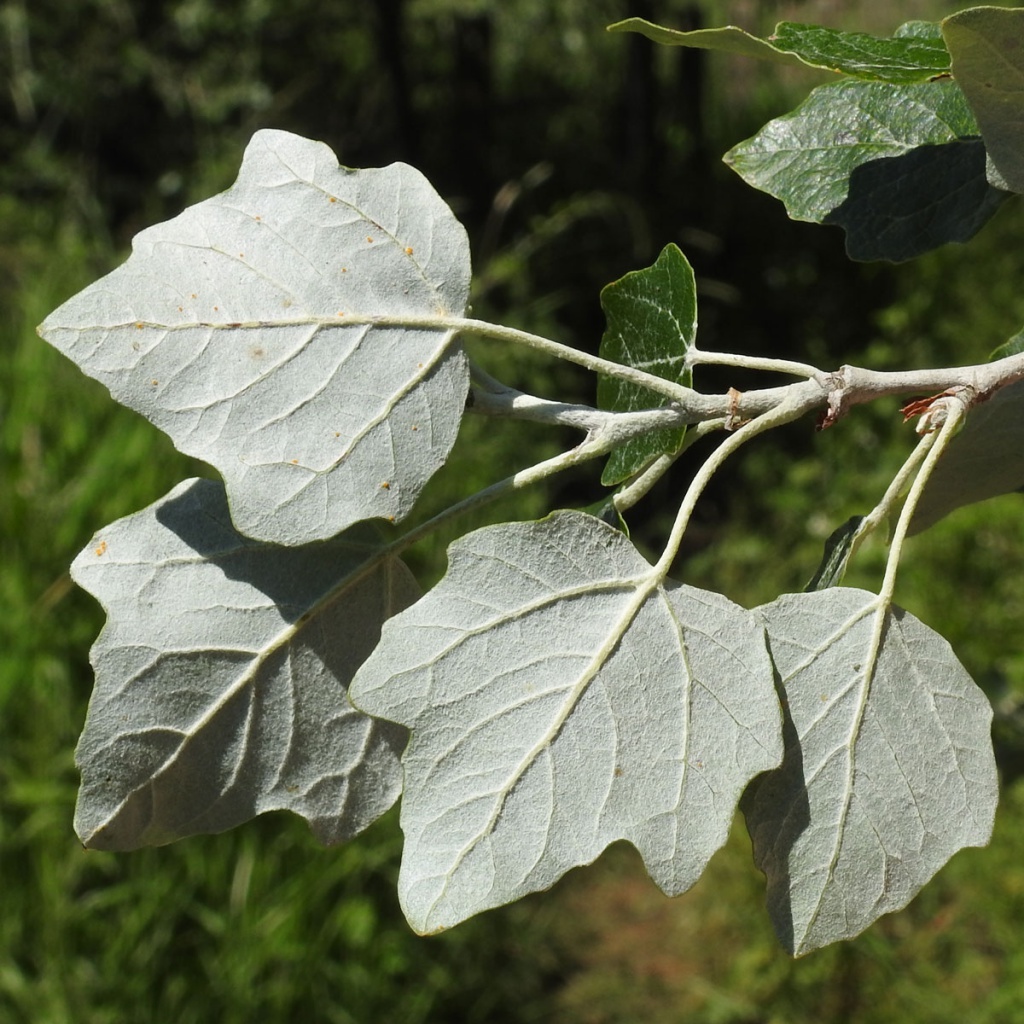
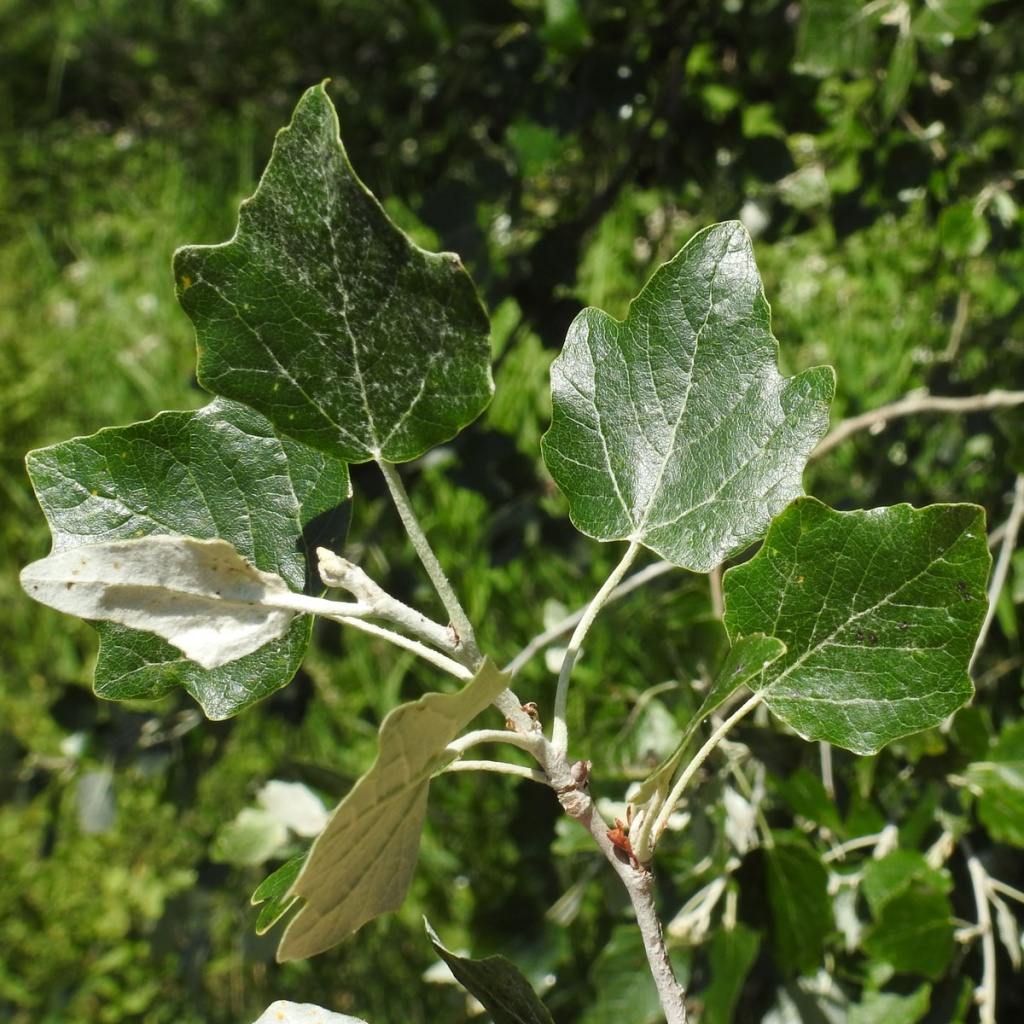
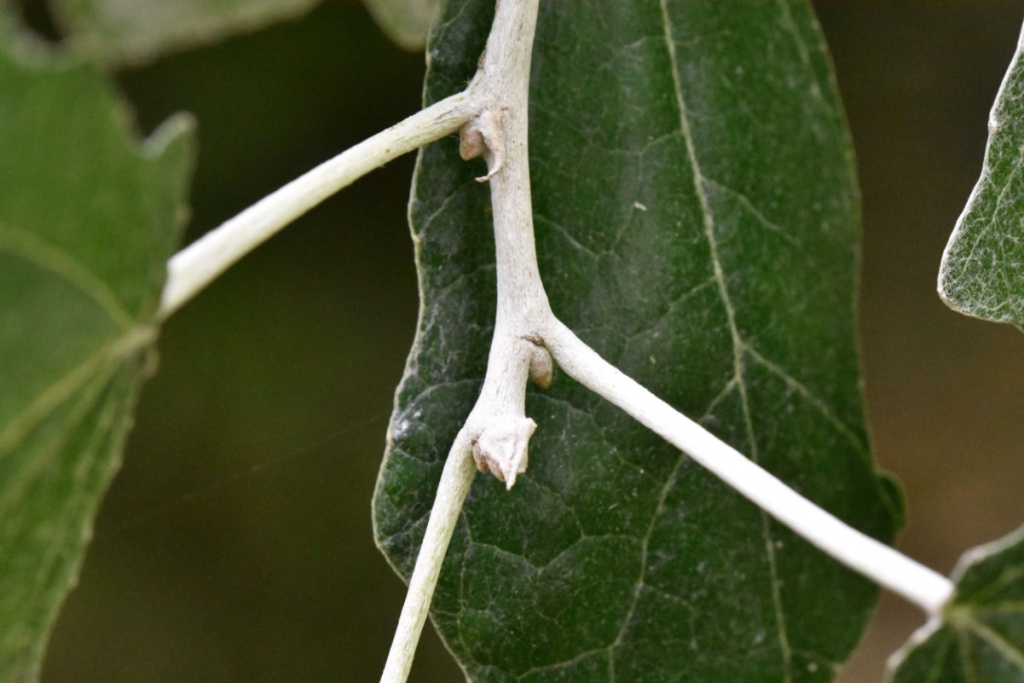
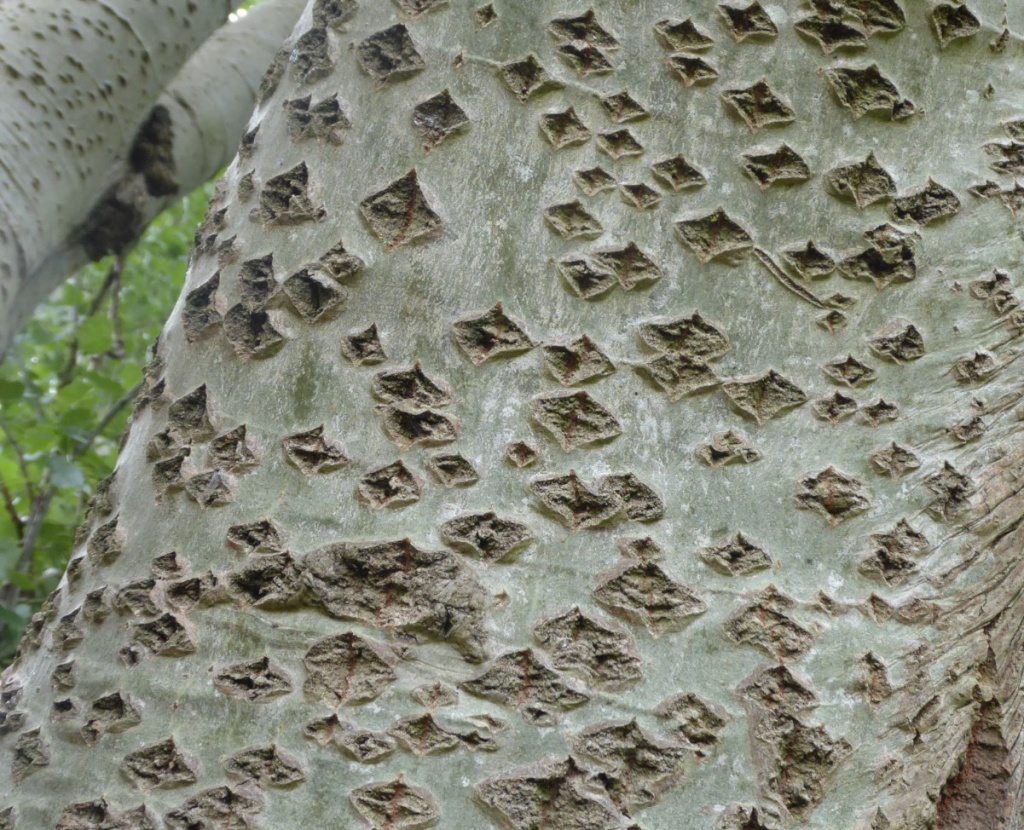
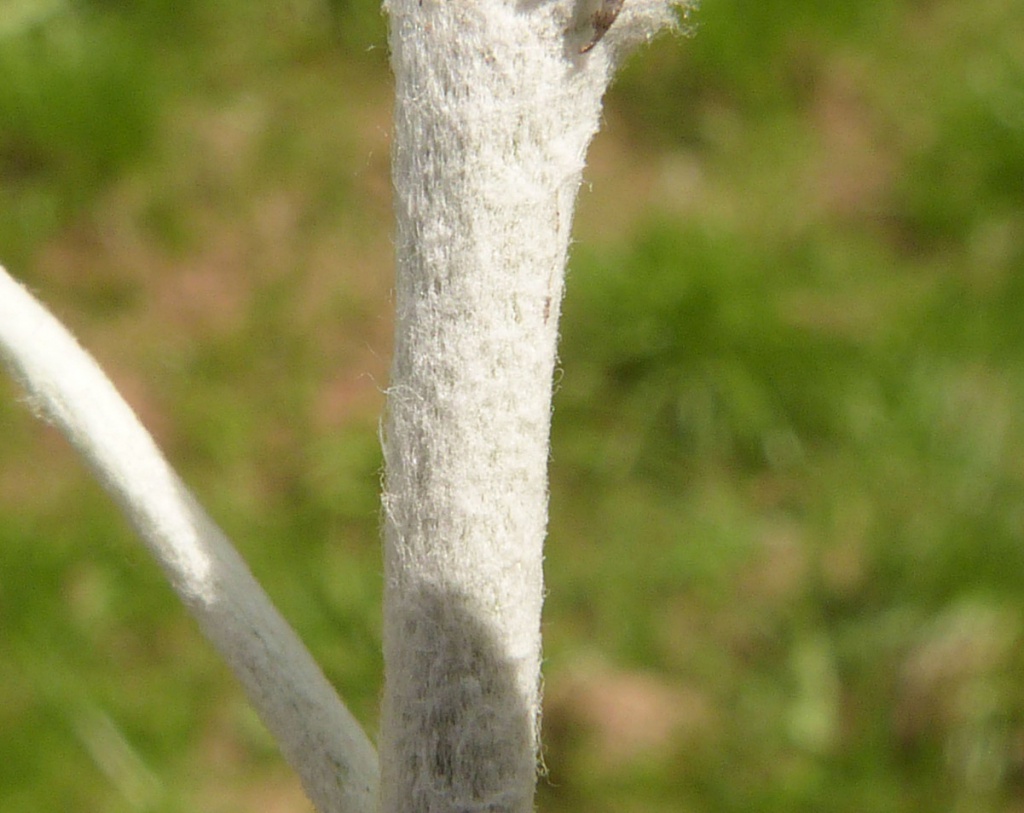
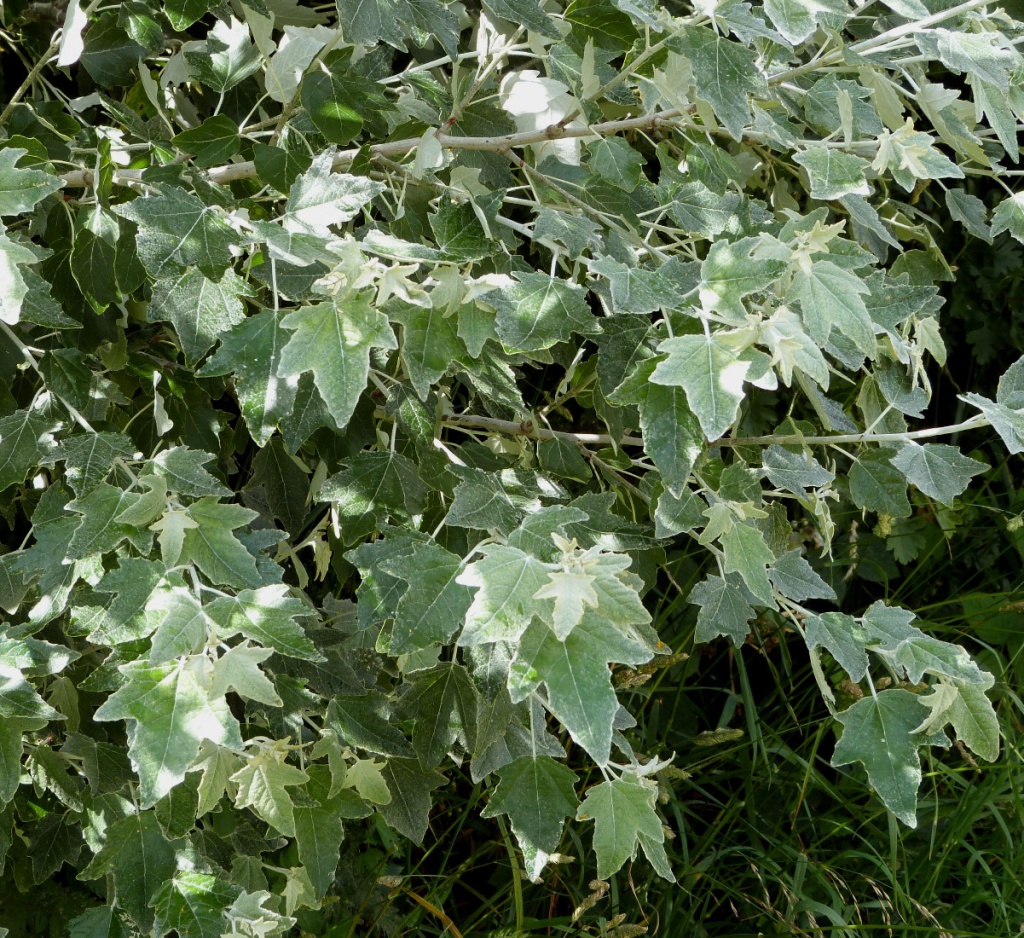
The leaves are large, to 10cm, and palmately lobed with five lobes. Young leaves are covered with a white hairy down, which gradually wears off the upper surface, but is retained on the underside throughout the season. The upper surface becomes dark green, turning yellow before leaf fall in autumn. Young shoots are covered with the same white down, which is gradually worn away as the season advances. Bracts are sub-entire to toothed. The bark is smooth and white or grey, with darker diamond-shaped marks.
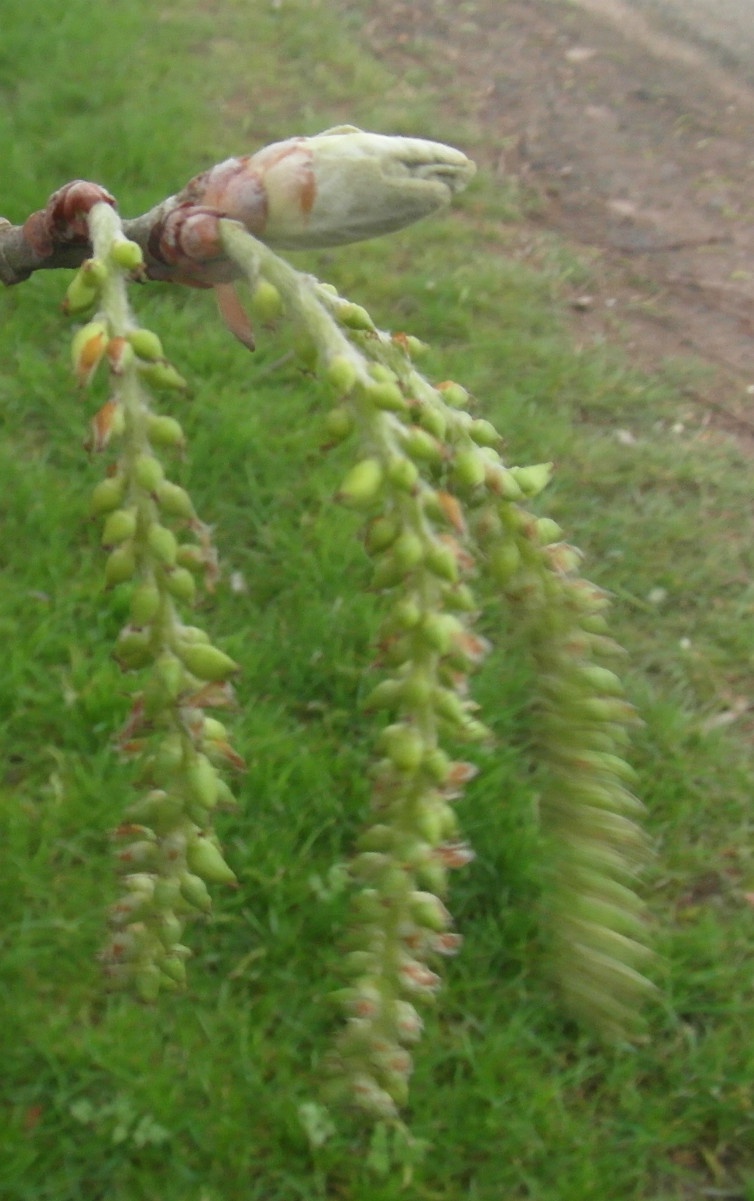
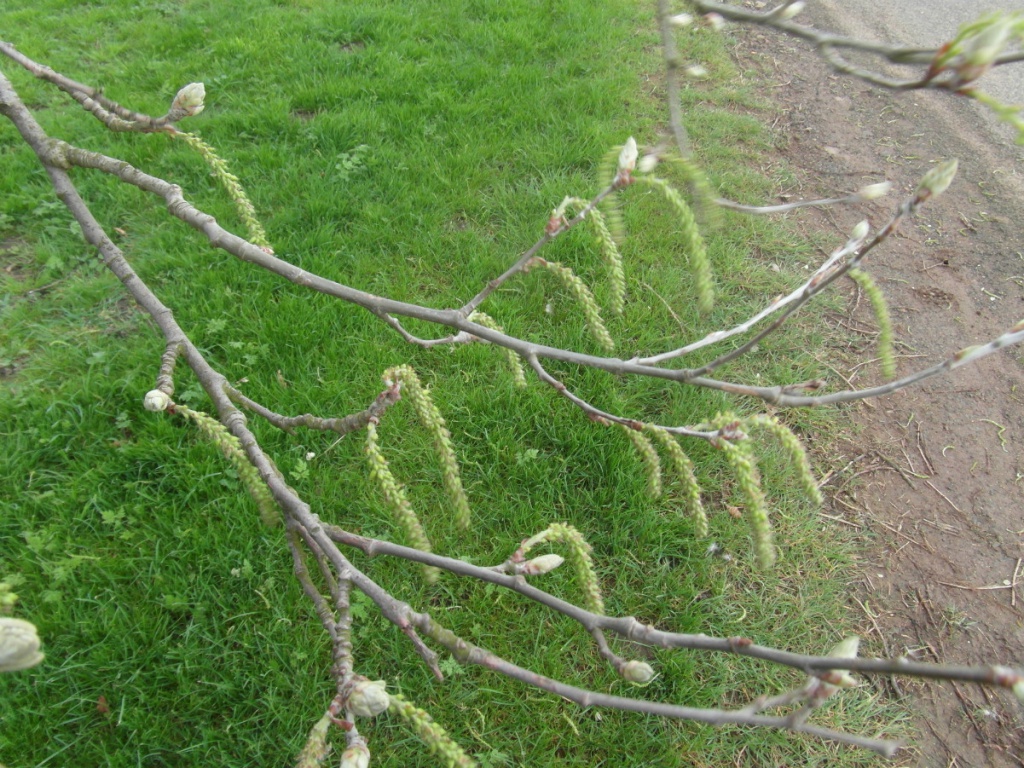
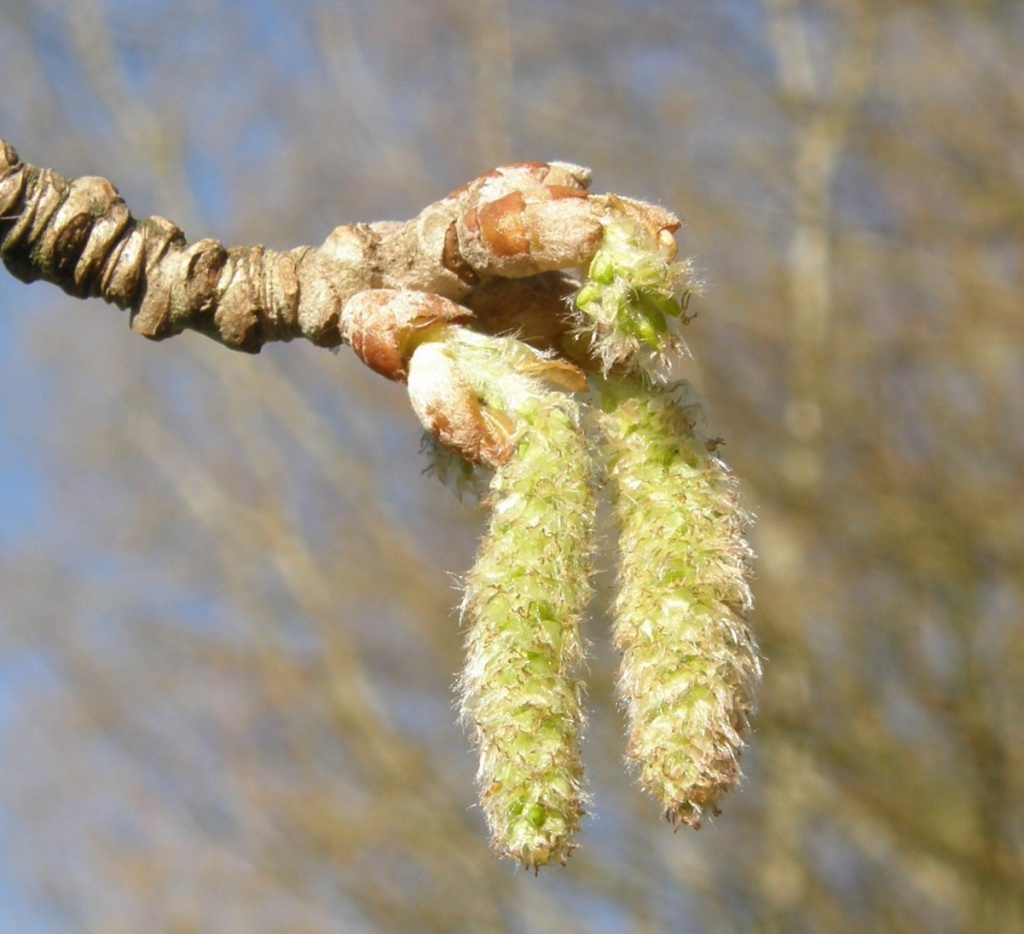
The flowers are catkins borne in late winter and early spring. The White Poplar is dioecious, male and female catkins being borne on separate trees. Male plants are rare in the British Isles. Female trees have pale green catkins.
Grey Poplar (Populus x canescens) has coarsely toothed leaves and is most often male; bracts are laciniate.

Photographs of leaves (upper and under-side) from the long-shoots in the crown; leaves from suckers or epicormic growth are often atypical and should not be used to identify the plant
Planted as an ornamental in parks and roadside verges, and regenerating from suckers. It does well in damp areas.
All year round flowering early in the year.
Perennial
Widely planted and fairly frequent in Britain.
Occasional in Leicestershire and Rutland, mainly as an ornamental introduction. In the 1979 Flora survey of Leicestershire it was found in 29 of the 617 tetrads.
 Graham Calow
Stoney Stanton, Huncote Road
08 September 2024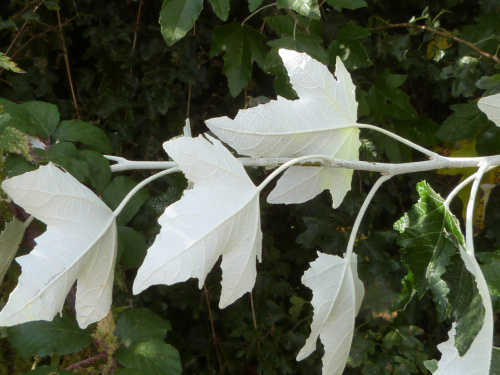 Graham Calow
Stoney Stanton, Huncote Road
08 September 2024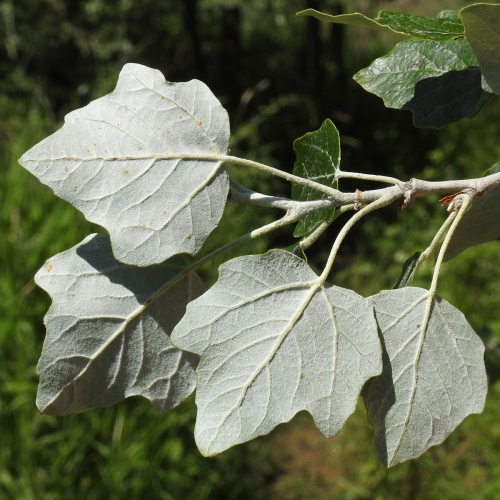 David Gould
Braunstone, footpath near Spearwort Fields
13 June 2020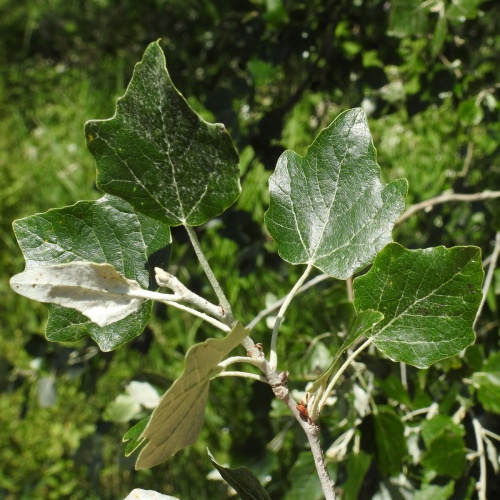 David Gould
Braunstone, footpath near Spearwort Fields
13 June 2020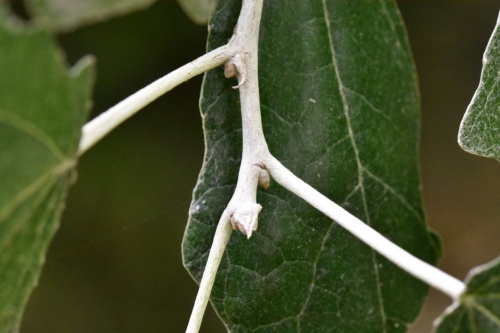 stepgray4
Kettton Quarry NR
15 August 2021
White twig and buds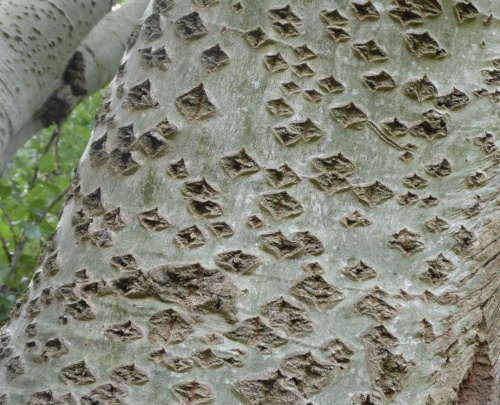 Saharima Roenisch
Soar-GUC, Abbey Park to Belgrave
07 June 2020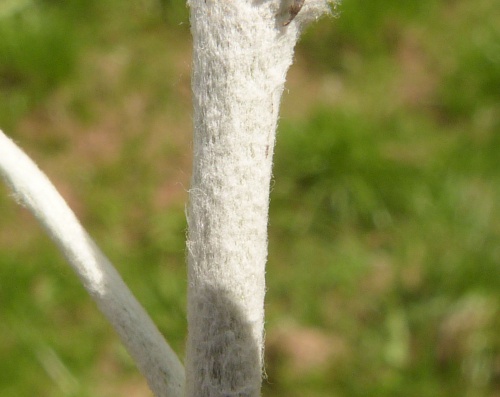 Graham Calow
Huncote Road, Stoney Stanton
14 July 2016
white felted hairs on young shoots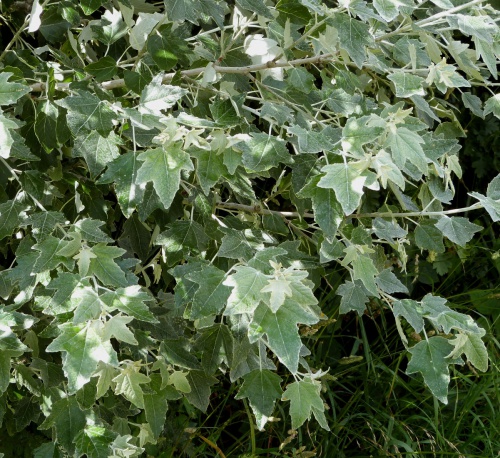 Graham Calow
Huncote Road, Stoney Stanton
14 July 2016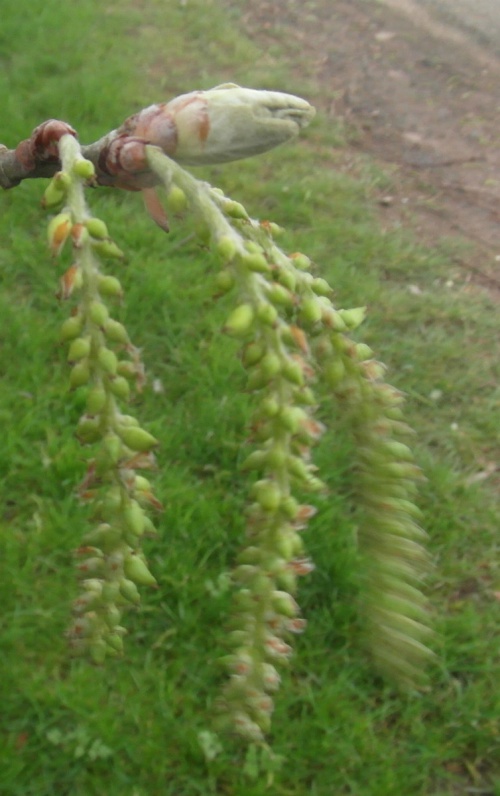 Alan Semper
Belvoir roadside
06 April 2014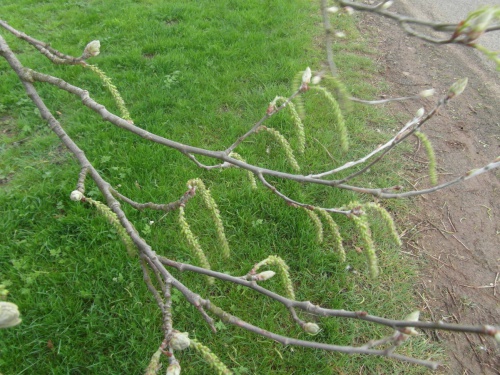 Alan Semper
Belvoir roadside
06 April 2014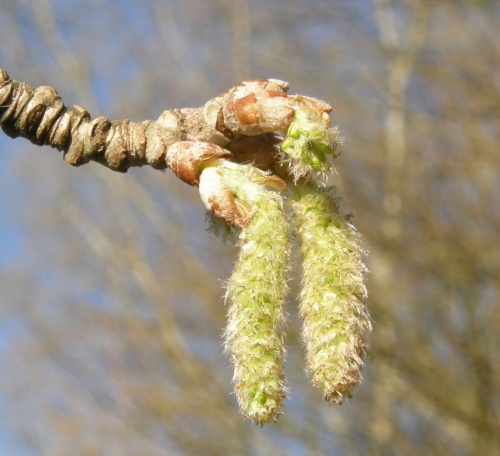 Saharima Roenisch
Ellis Meadows
05 March 2019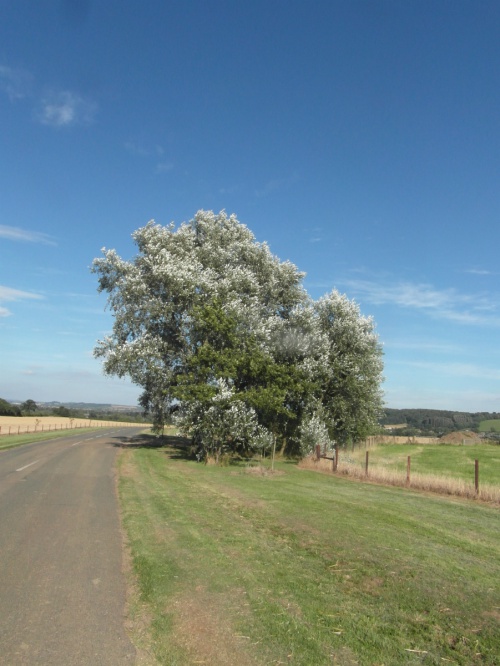 Alan Semper
Belvoir roadside
08 September 2013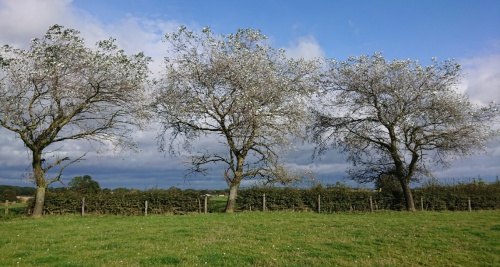 steven lewis
Scalford, ironstone ponds
06 October 2019
Leicestershire & Rutland Map
Enter a town or village to see local records
MAP KEY:
Yellow squares = NBN records (all known data)
Coloured circles = NatureSpot records: 2025+ | 2020-2024 | pre-2020
UK Map
Species profile
- Common names
- White Poplar, Abele
- Species group:
- flowering plant
- Kingdom:
- Plantae
- Order:
- Malpighiales
- Family:
- Salicaceae
- Records on NatureSpot:
- 42
- First record:
- 21/09/2005 (Brice Ebert;Emma Williams)
- Last record:
- 04/11/2025 (Nicholas Humphreys)
Total records by month
% of records within its species group
10km squares with records
The latest images and records displayed below include those awaiting verification checks so we cannot guarantee that every identification is correct. Once accepted, the record displays a green tick.
In the Latest Records section, click on the header to sort A-Z, and again to sort Z-A. Use the header boxes to filter the list.
Latest images
Latest records
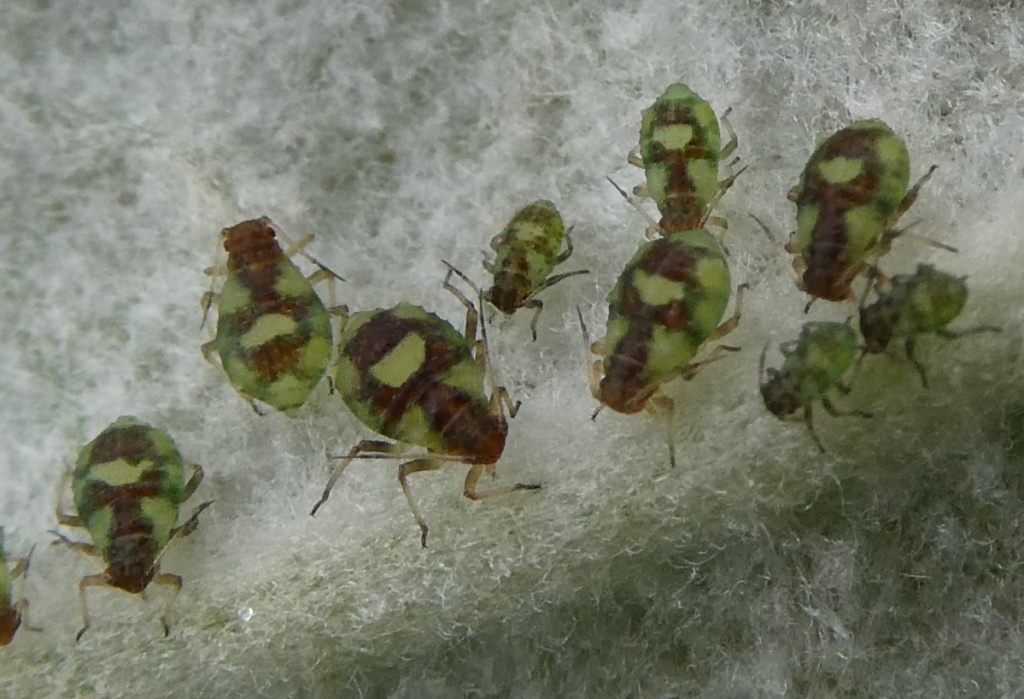
Chaitophorus populeti
The aphid Chaitophorus populeti lives on the young shoots and terminal leaf petioles of various Poplar species, especially those of Aspen and White Poplar and their hybrid Grey Poplar. The body length is 1.5 to 2.9 mm. The nymphs of this species are distinctively patterned, the adult apterae are black and more difficult unless recorded in association with nymphs.
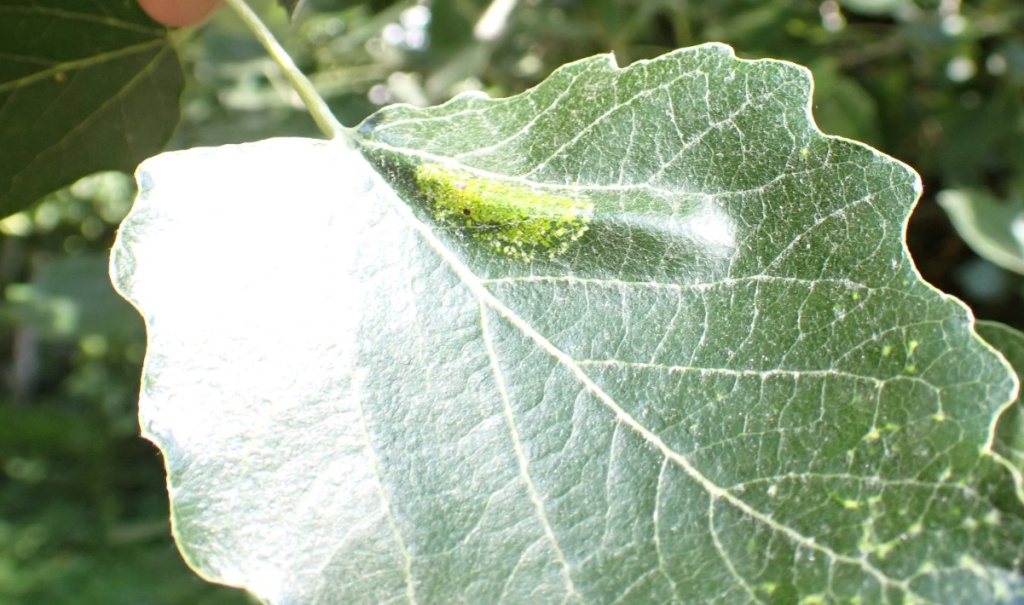
Phyllonorycter comparella
The larva of the moth Phyllonorycter comparella makes a mine on the underside of leaves of Grey Poplar, White Poplar and occasionally Hybrid Black Poplar. The mines are small and hard to find on the commonest hosts, Grey or White Poplar; there is little contraction or distortion of the leaf, and the underneath of the mine is hidden in the woolly undersurface of the leaf.
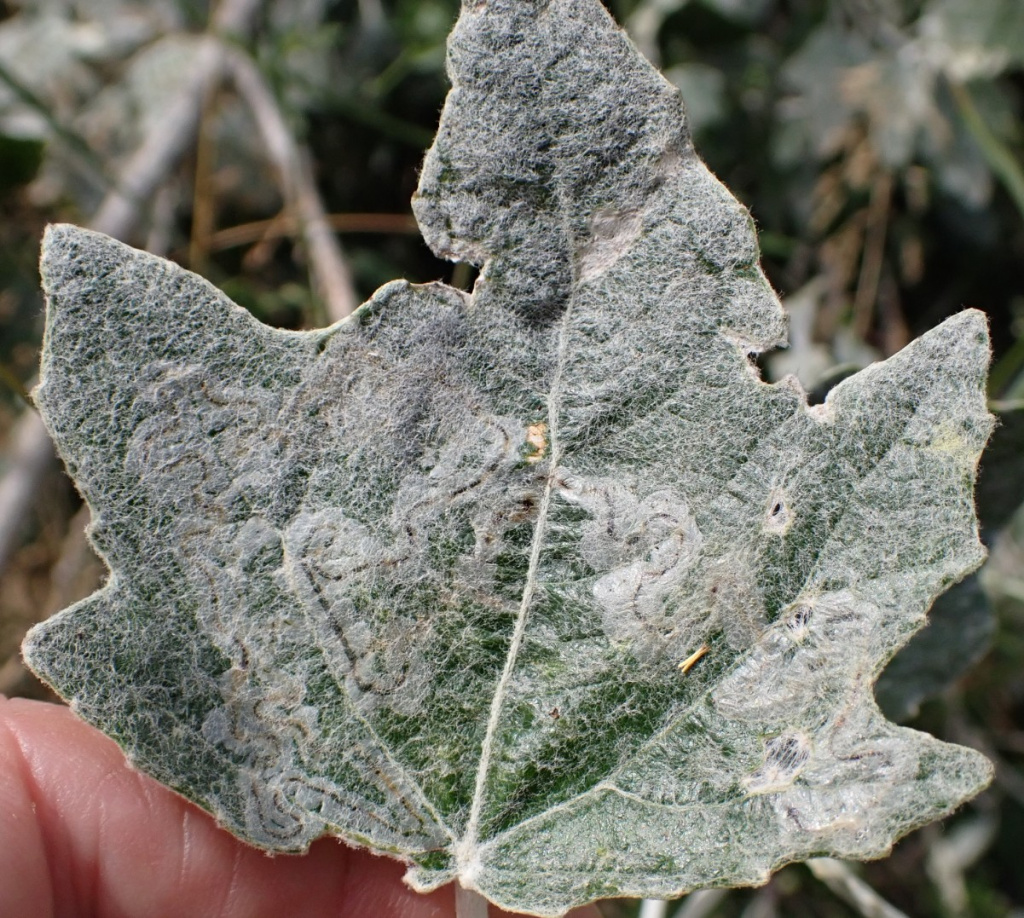
Phyllocnistis xenia
The larva of the moth Phyllocnistis xenia mines the leaves of Grey Poplar and White Poplar forming a winding, thin, silvery translucent gallery resembling a 'snail trail' on the upper surface of the leaves which leads towards the leaf edge. It then folds the leaf edge over and pupates in a cocoon in the fold.
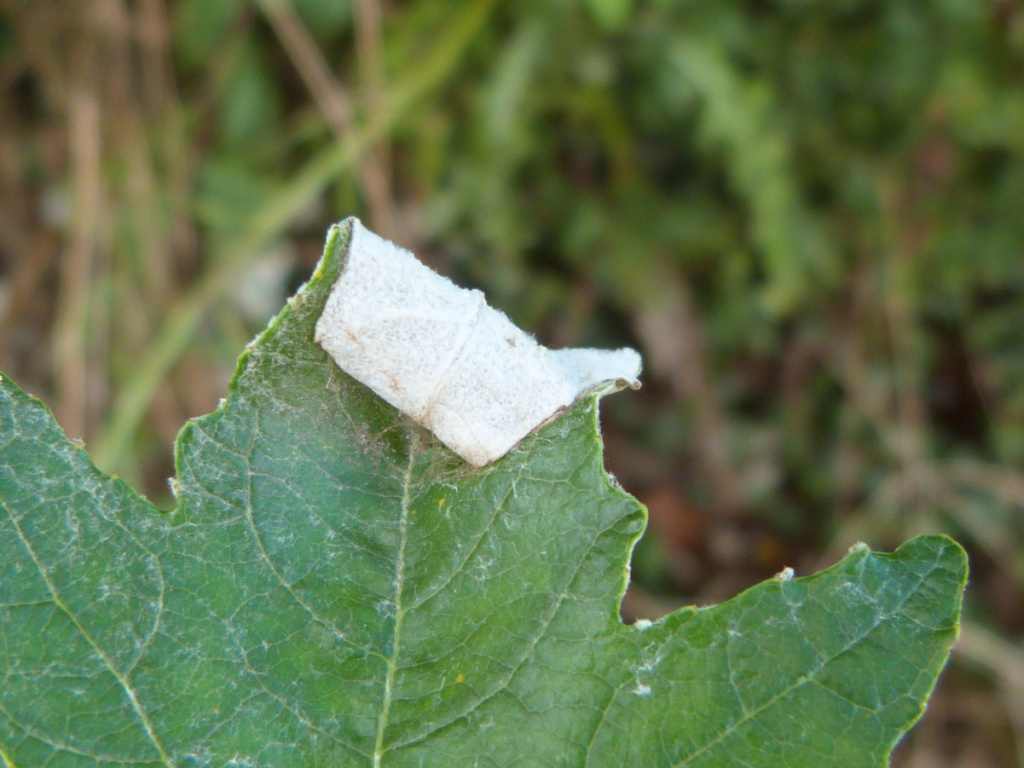
Caloptilia stigmatella
The larva of the moth Caloptilia stigmatella mines the leaves of willows and poplars, intially in a long narrow corridor usually on the undersurface of the leaf, then in a silvery blotch that developes into a tentiform mine with a brown epidermis. Finally the larva leaves the mine to live in a folded leaf margin or leaf-tip.

Aculus tetanothrix
Aculus tetanothrix is a mite that causes rounded, sometimes reddened galls to form on the leaves of willows, particularly White Willow. Small reddish pustules or pouches on the leaf upperside have slit like opening underneath; they are hairy inside but the hairs do not protrude through opening. The galls may also form on the leaf margins.