

Tansy - Tanacetum vulgare
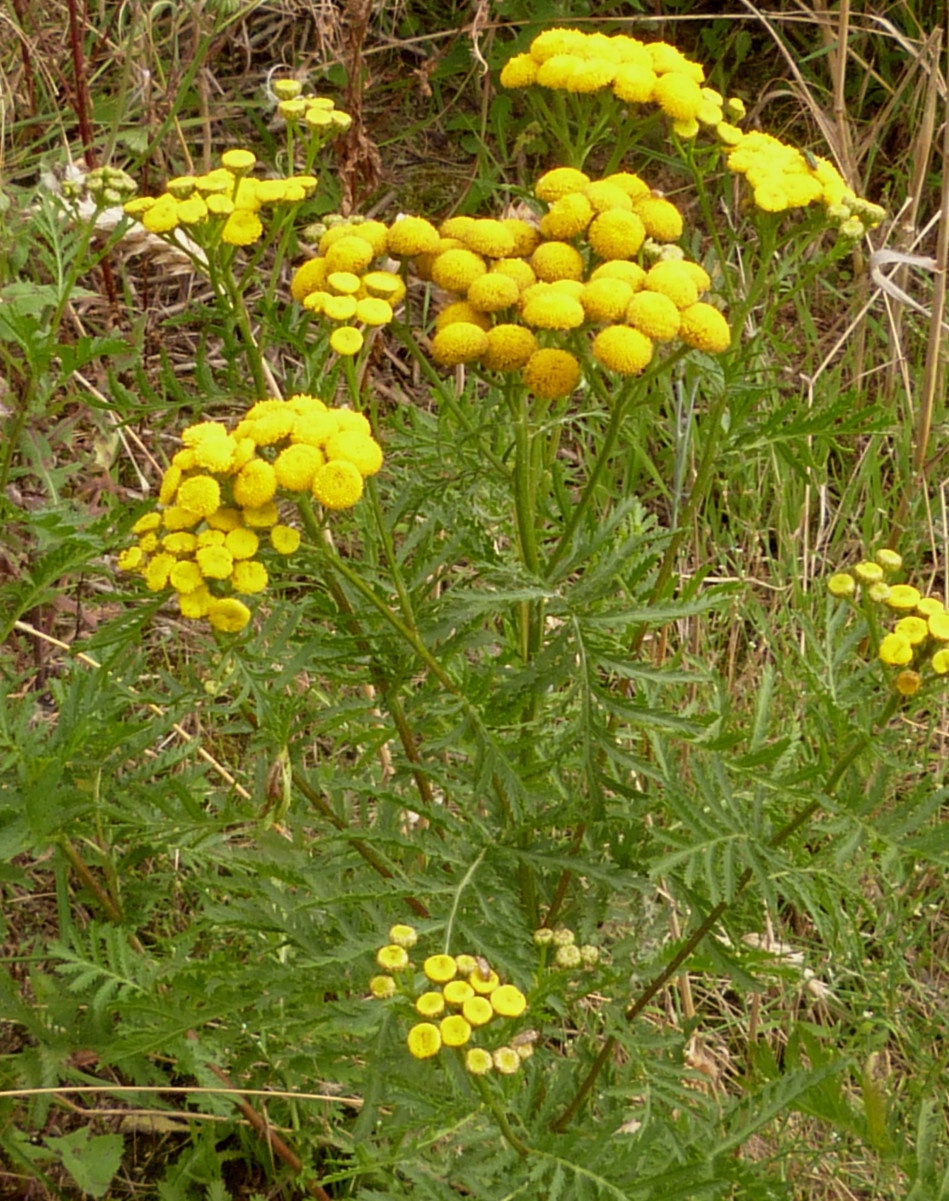
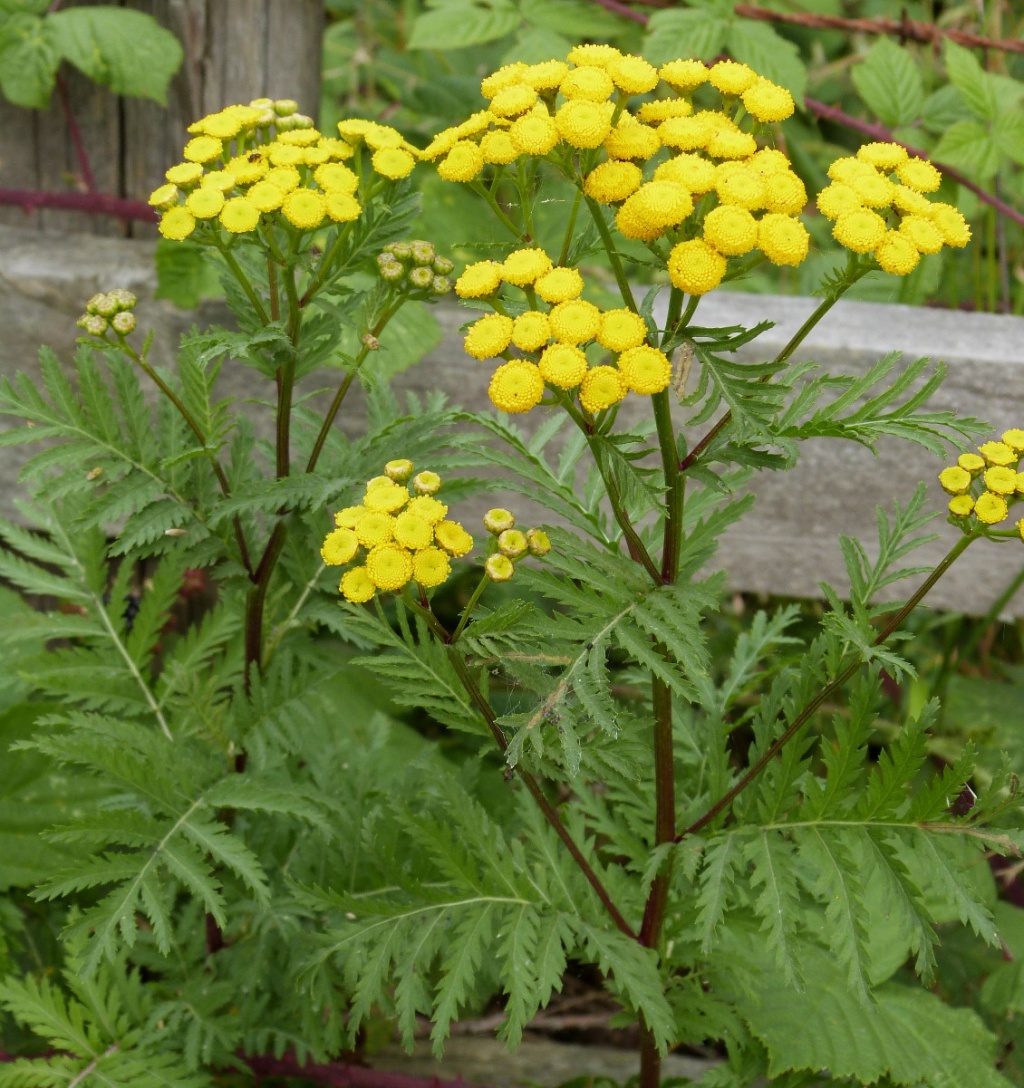
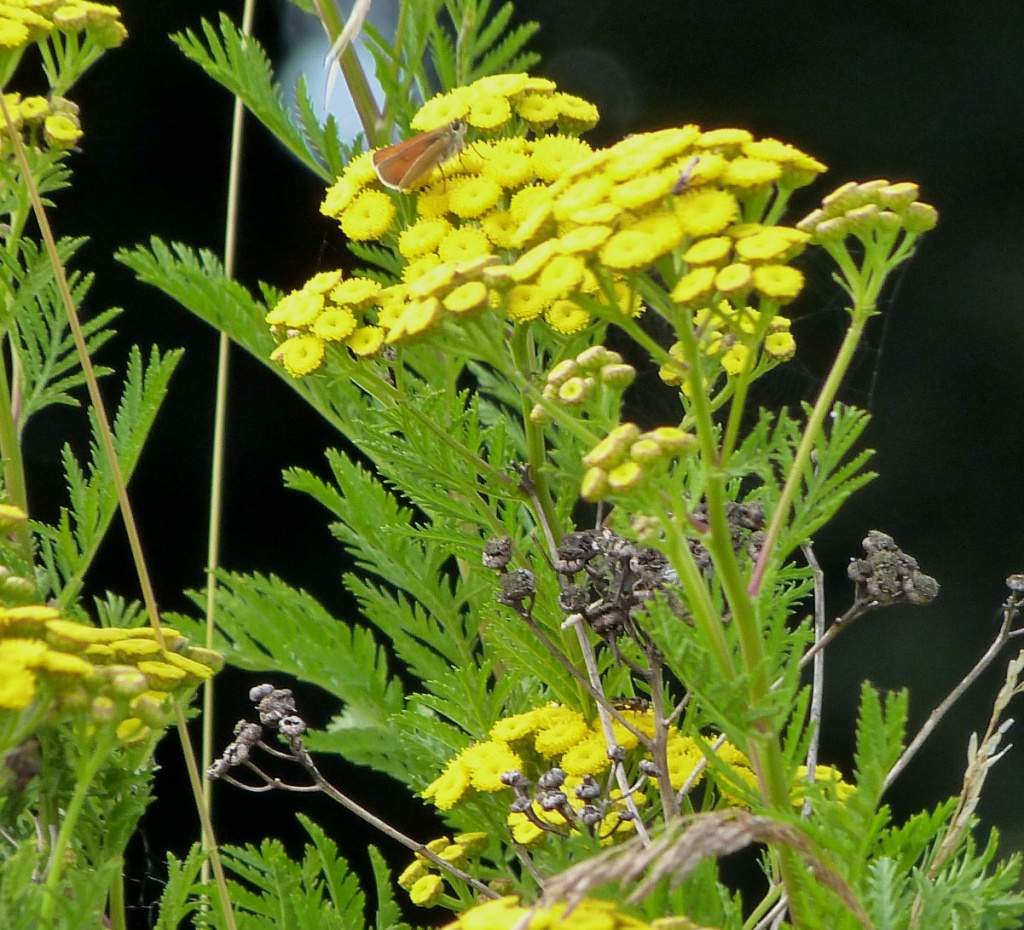
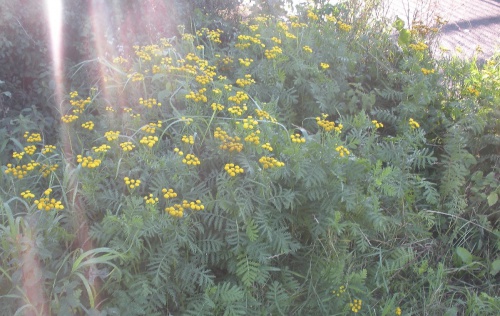
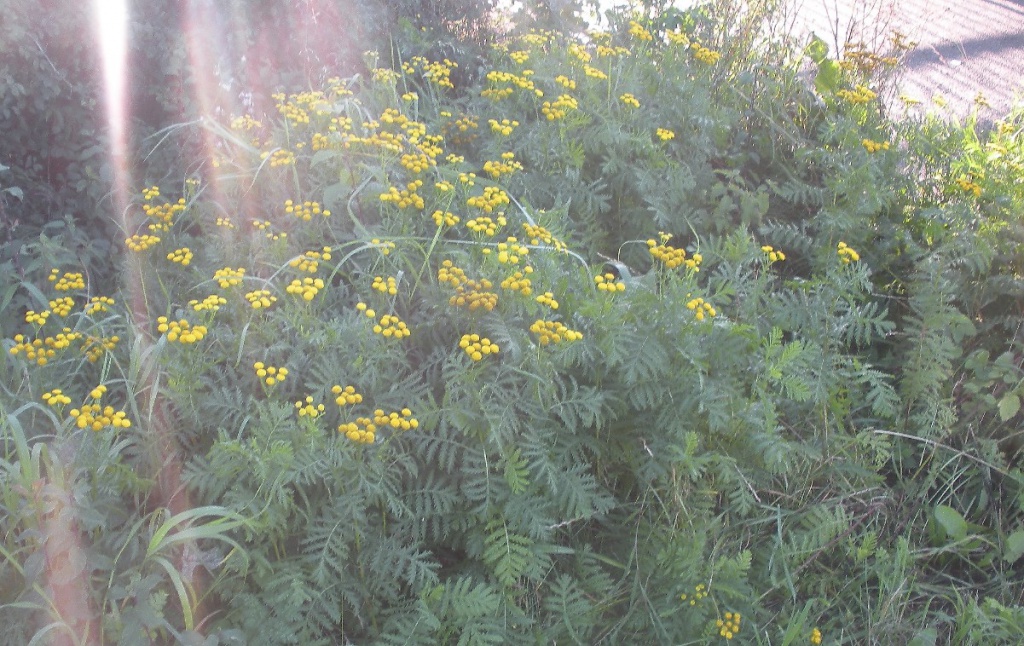
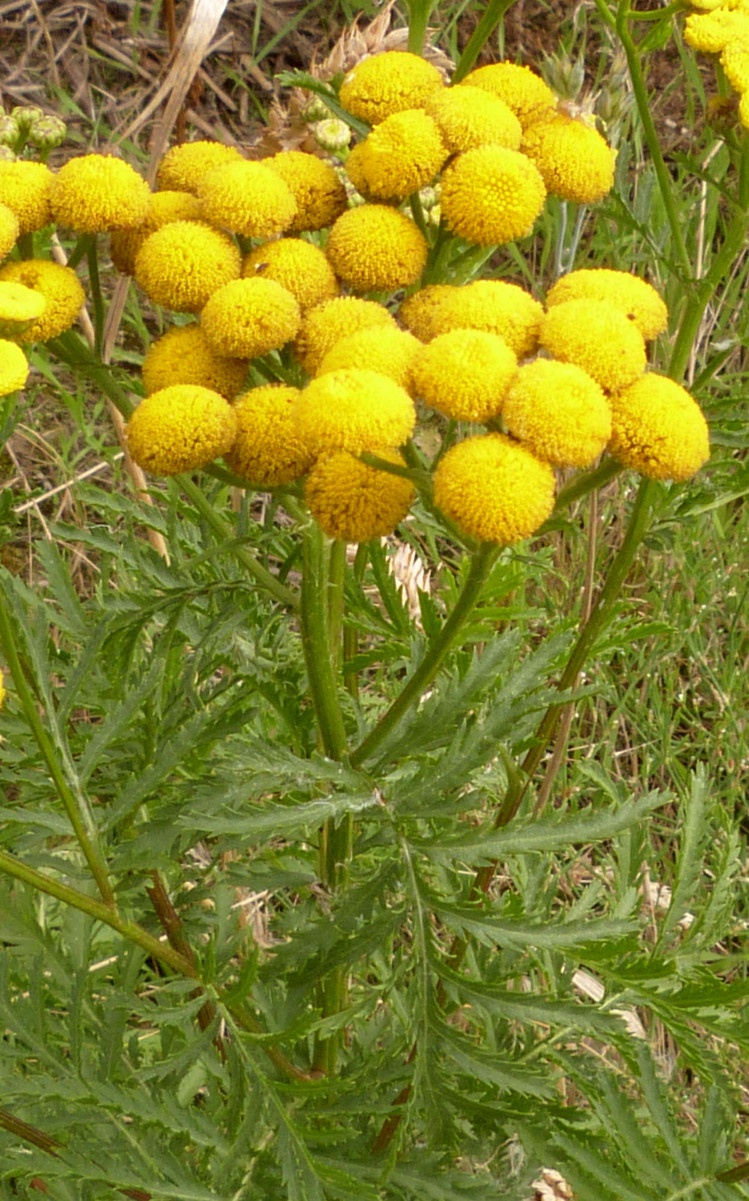
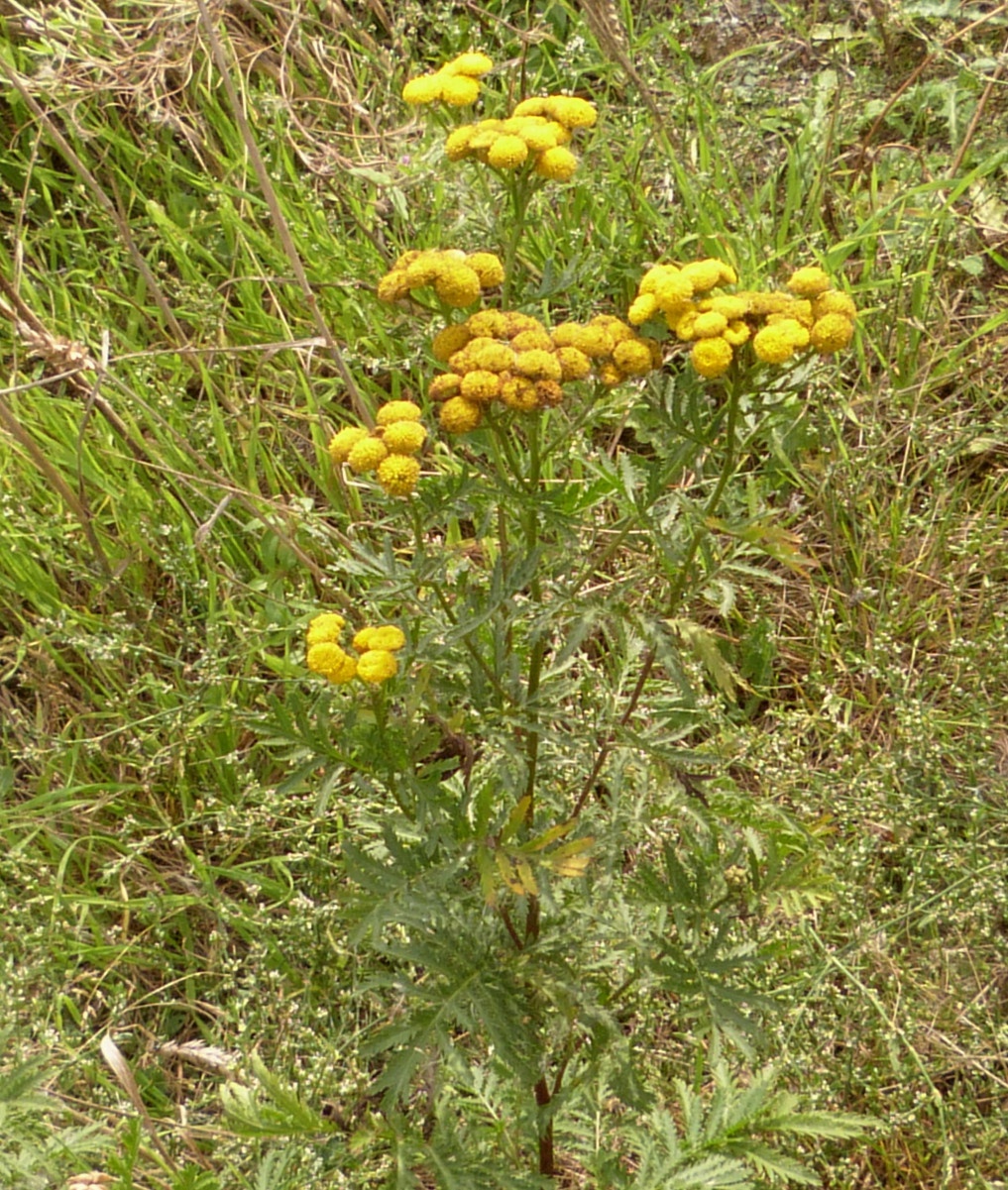
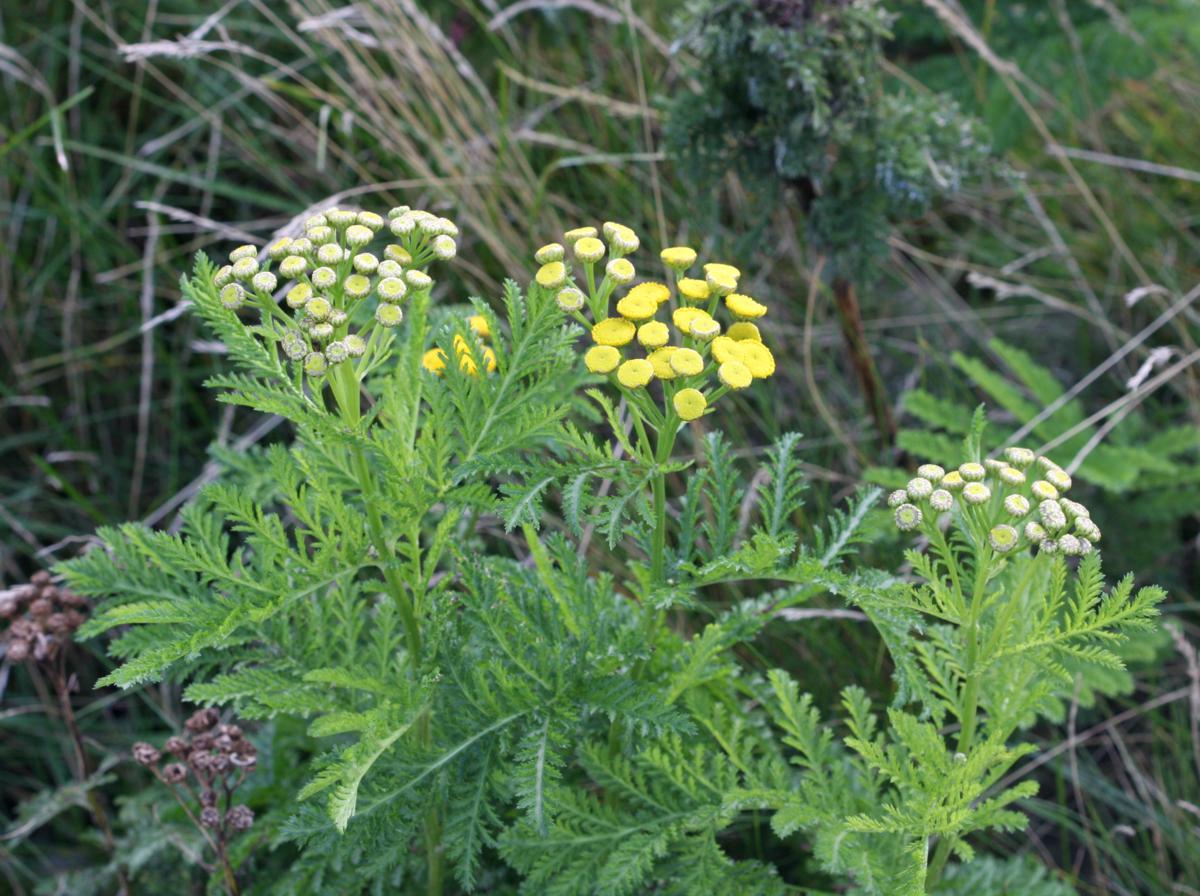
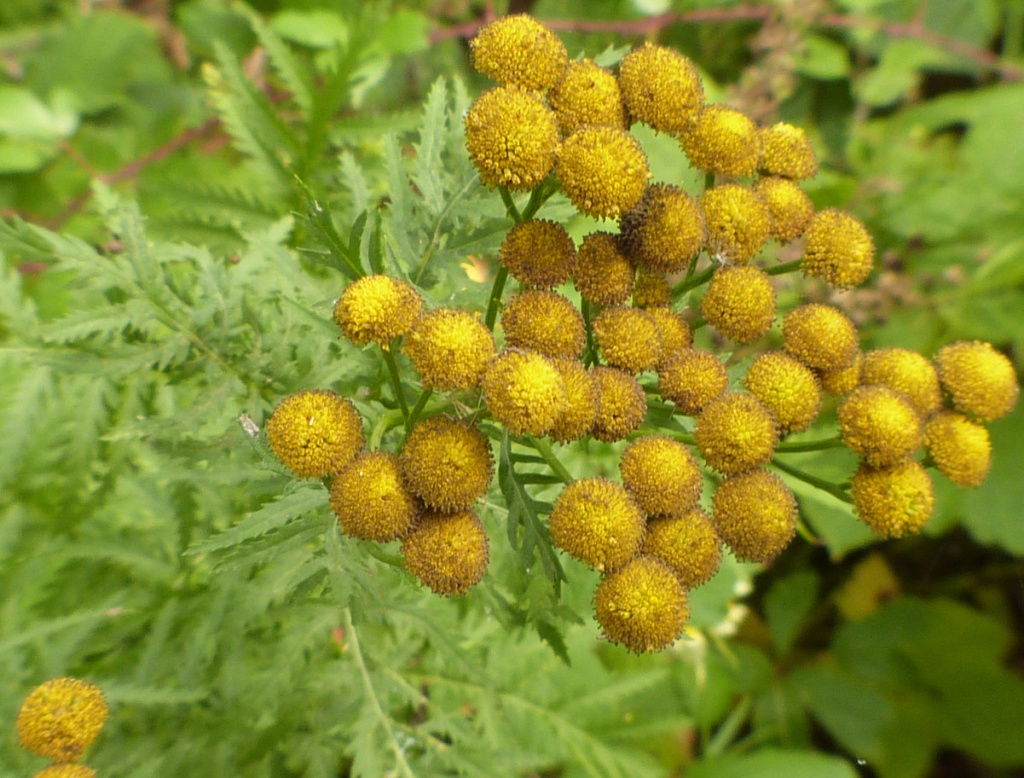
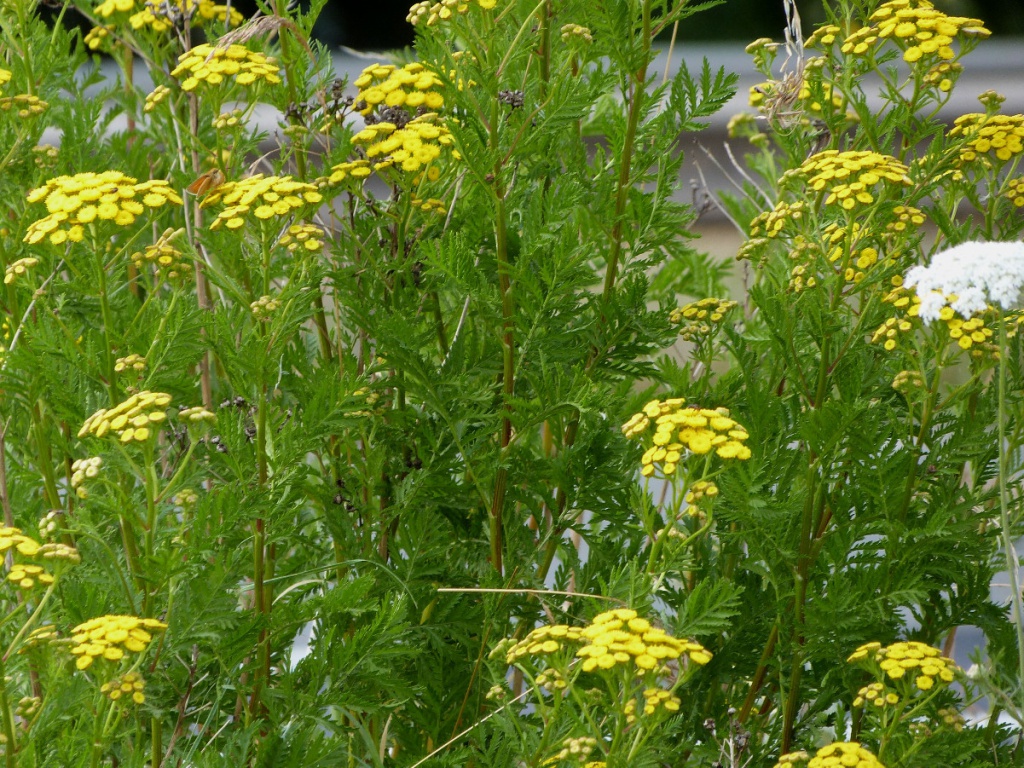
Medium to tall, strongly aromatic plant to 1.5 metres, patch forming, almost hairless. Leaves pinnately lobed with lanceolate toothed segments, deep green, the uppermost unstalked. Flowerheads yellow, 7 to 12 mm, button like, rayless, in large, rather flat topped clusters.

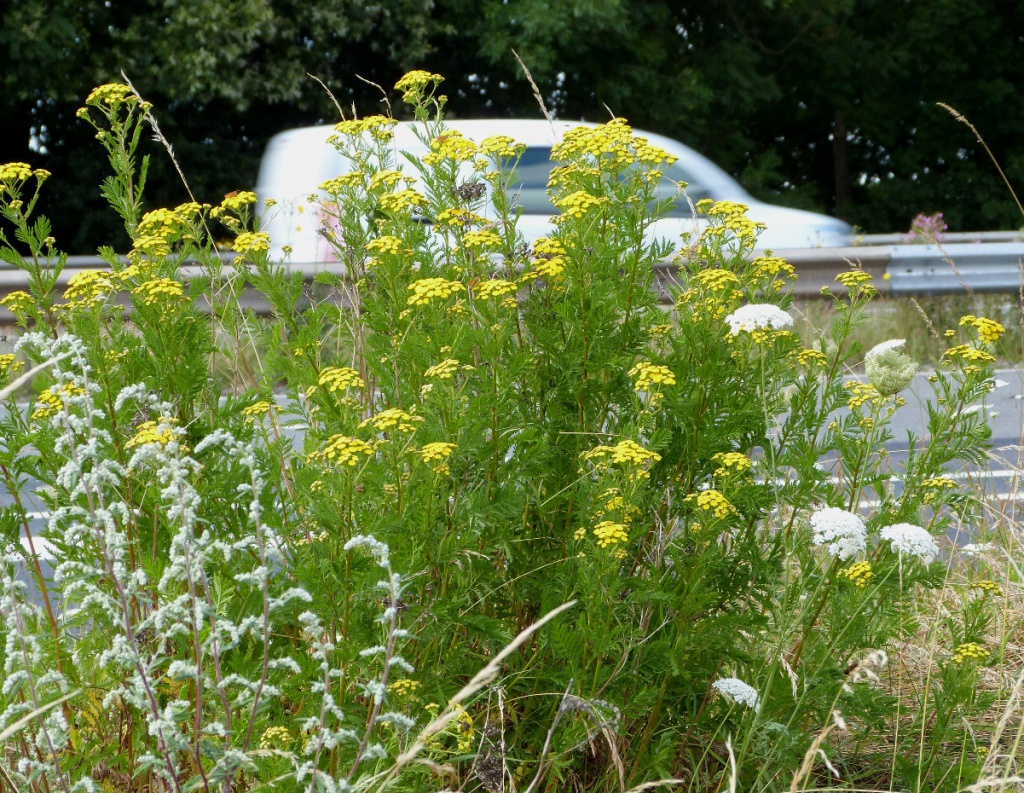
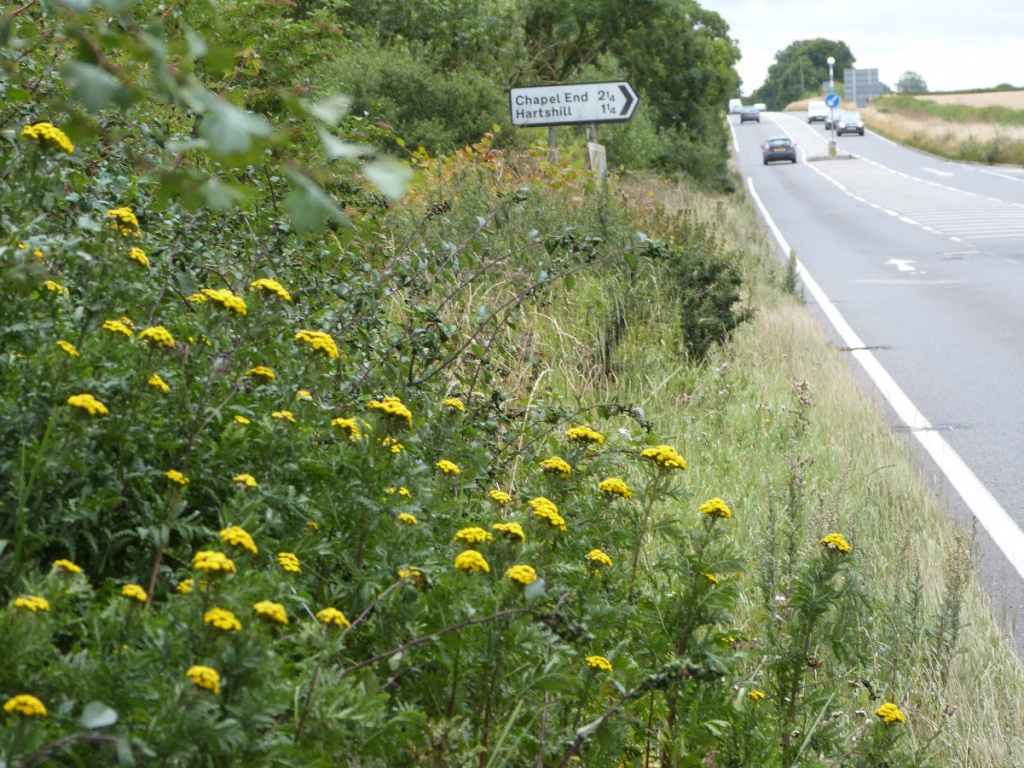
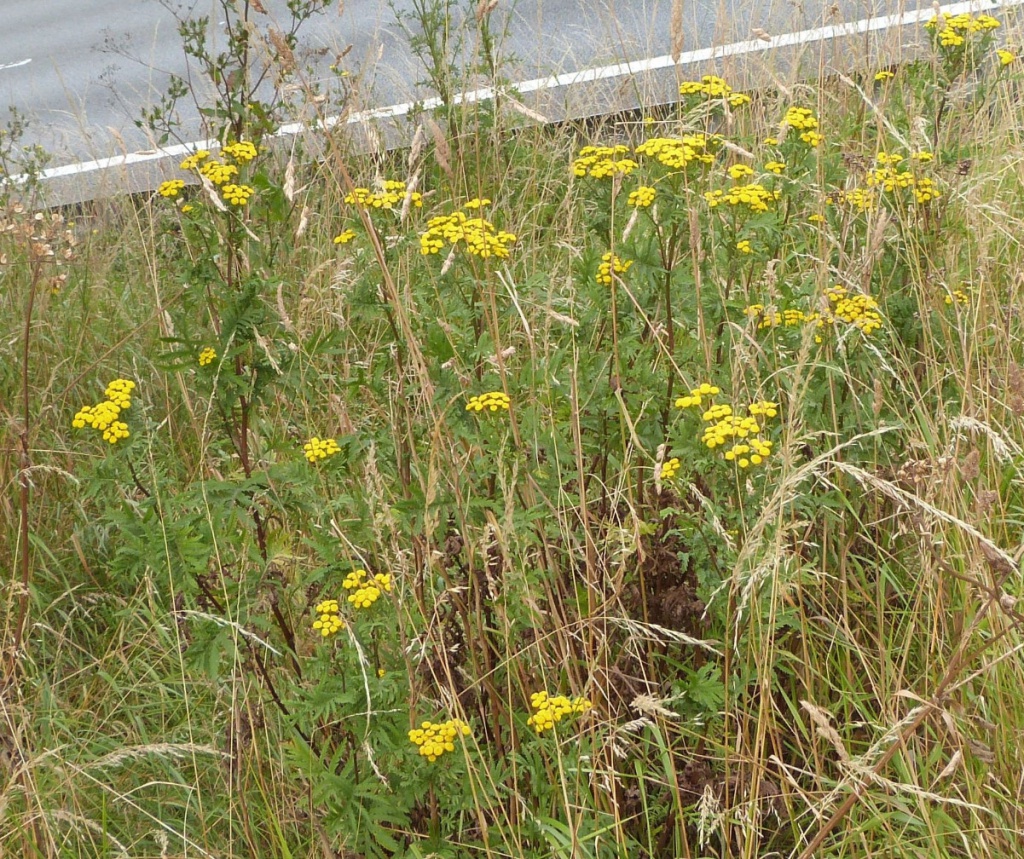
Waste places, roadsides, rough grassland and embankments.
July to September.
Perennial.
Fairly frequent throughout Britain.
Fairly frequent in Leicestershire and Rutland. In the 1979 Flora survey of Leicestershire it was found in 86 of the 617 tetrads
 B4114 Near Frowlesworth Turn Sapcote SP 4898 9224 (taken 20.7.2006)...JPG) Graham Calow
Graham Calow
Sapcote
20 July 2006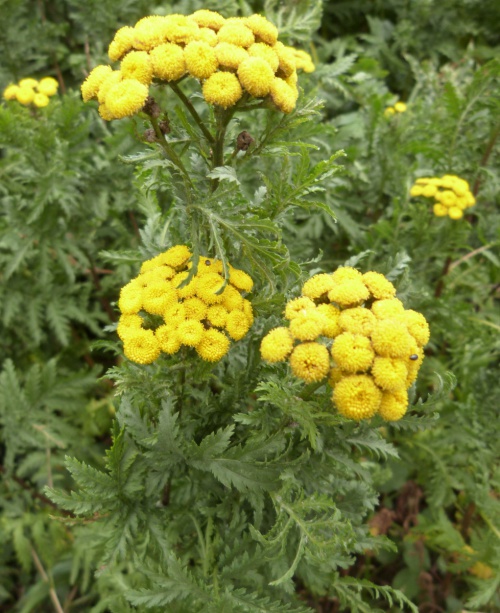 Graham Calow
A5 Witherley
06 August 2015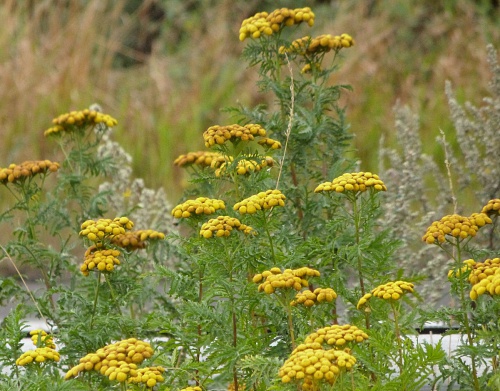 Graham Calow
Central Barrier of A5 near High Cross
22 August 2016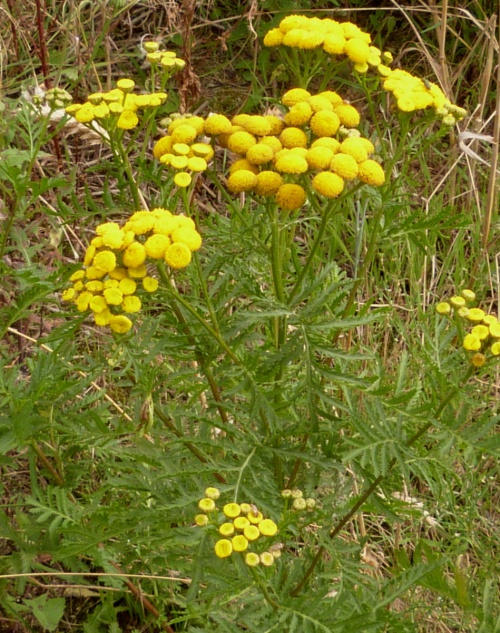 Graham Calow
Sapcote
22 August 2014 B4114 Near Frowlesworth Turn Sapcote SP 4898 9224 (taken 30.7.2008),,.JPG) Graham Calow
Graham Calow
Sapcote
30 July 2008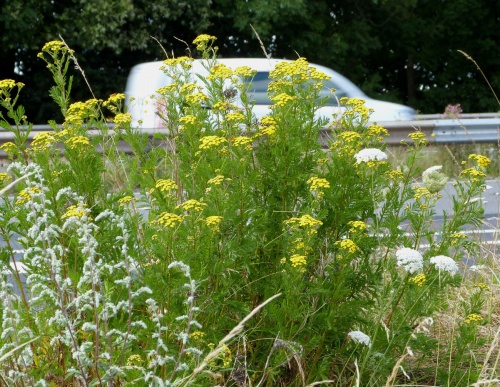 Graham Calow
Verge of M69 Sapcote
27 July 2016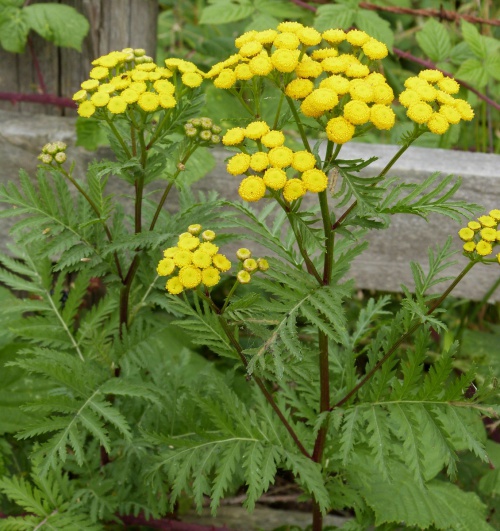 Graham Calow
Road alongside M69, Elmesthorpe
01 August 2016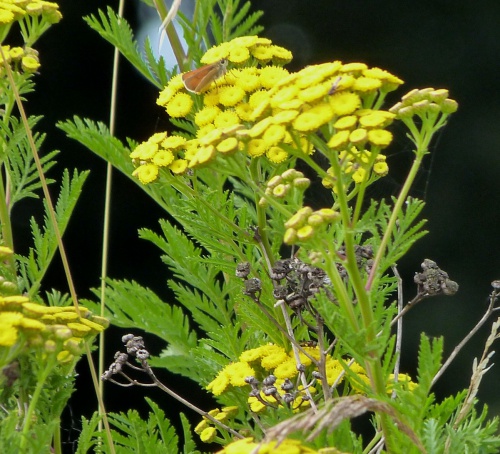 Graham Calow
Verge of M69 Sapcote
27 July 2016
 B4114 Near Frowlesworth Turn Sapcote SP 4898 9224 (taken 20.7.2006)...JPG)
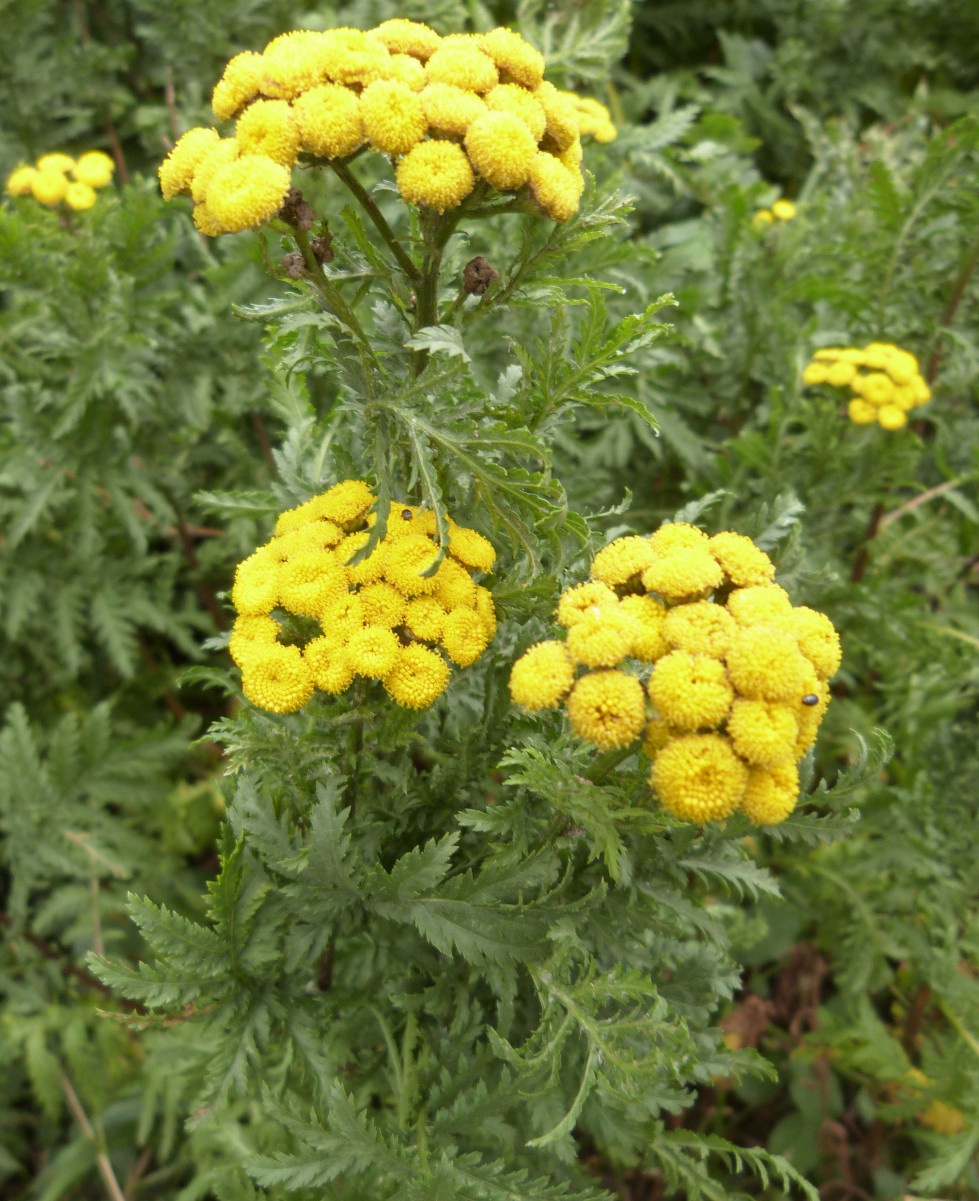
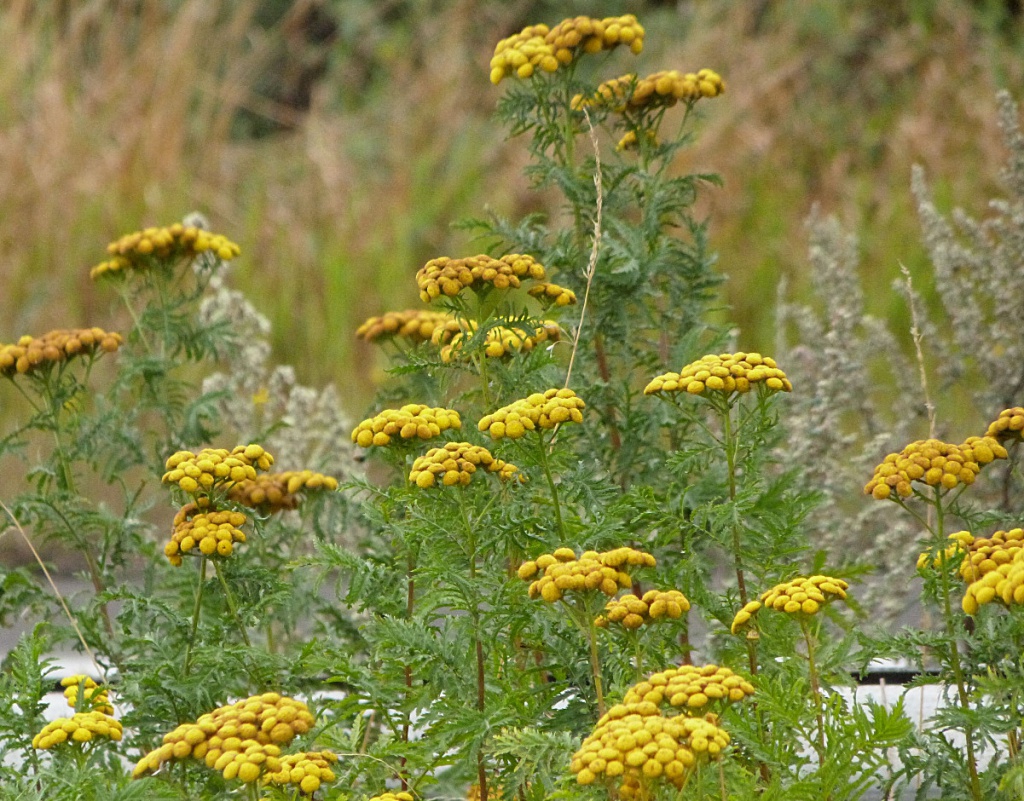
 B4114 Near Frowlesworth Turn Sapcote SP 4898 9224 (taken 30.7.2008),,.JPG)
Leicestershire & Rutland Map
Enter a town or village to see local records
MAP KEY:
Yellow squares = NBN records (all known data)
Coloured circles = NatureSpot records: 2025+ | 2020-2024 | pre-2020
UK Map
Species profile
- Common names
- Tansy
- Species group:
- flowering plant
- Kingdom:
- Plantae
- Order:
- Asterales
- Family:
- Asteraceae
- Records on NatureSpot:
- 100
- First record:
- 20/07/2006 (Calow, Graham)
- Last record:
- 25/09/2025 (lemmon, roy)
Total records by month
% of records within its species group
10km squares with records
The latest images and records displayed below include those awaiting verification checks so we cannot guarantee that every identification is correct. Once accepted, the record displays a green tick.
In the Latest Records section, click on the header to sort A-Z, and again to sort Z-A. Use the header boxes to filter the list.
Latest images
Latest records
 Craig Mabbett
Leicester Road, Countesthorpe
13 September 2017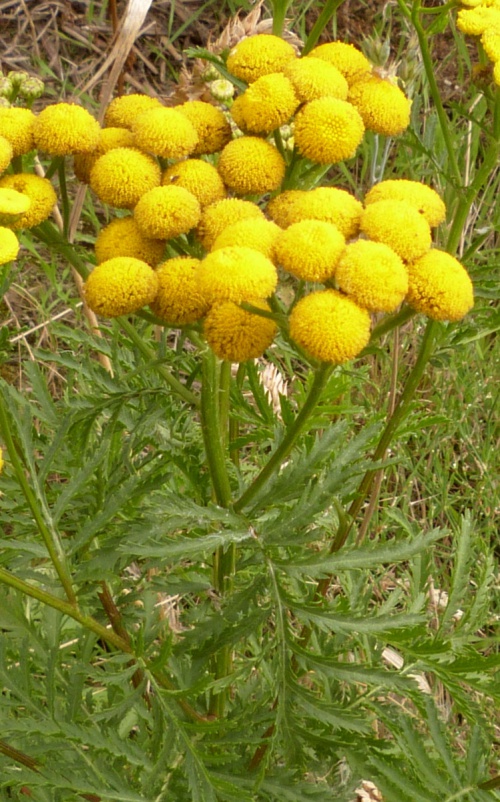 Graham Calow
Sapcote
22 August 2014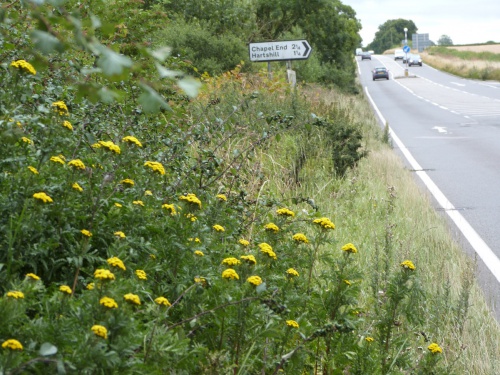 Graham Calow
A5 Witherley
06 August 2015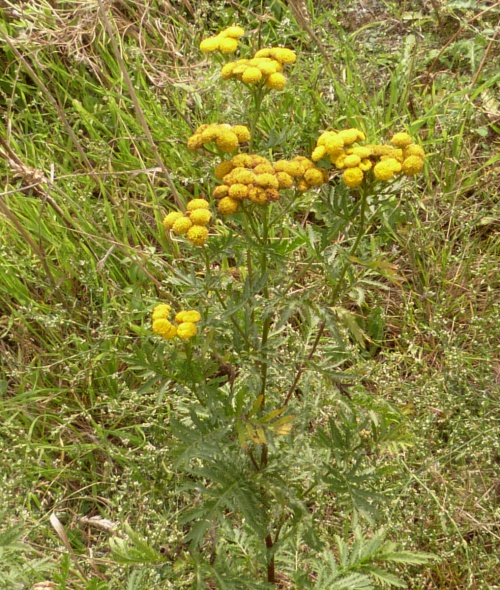 Graham Calow
Sapcote
23 September 2014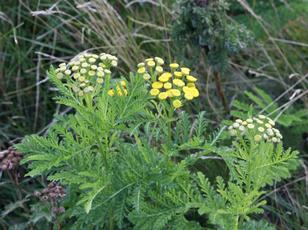 David Nicholls
Abbey Park
19 September 2010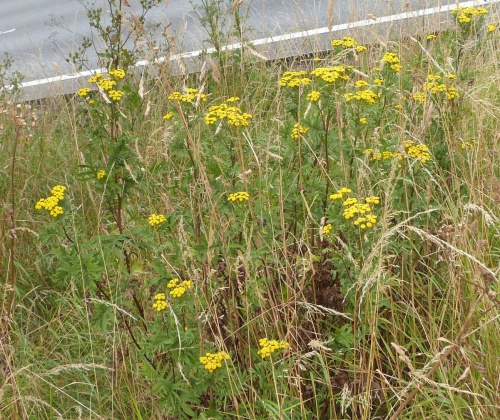 Graham Calow
Road alongside M69, Elmesthorpe
01 August 2016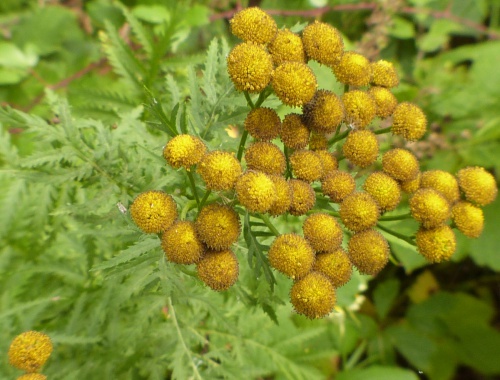 Graham Calow
Jubilee Walk Leire
27 September 2013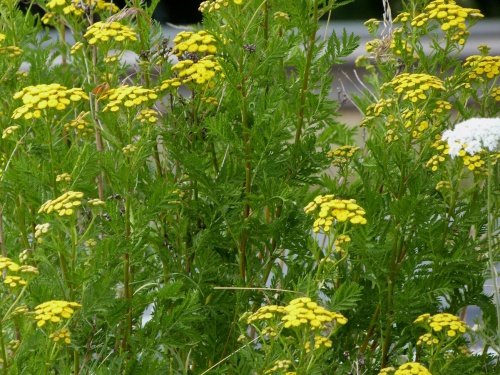 Graham Calow
Verge of M69 Sapcote
27 July 2016
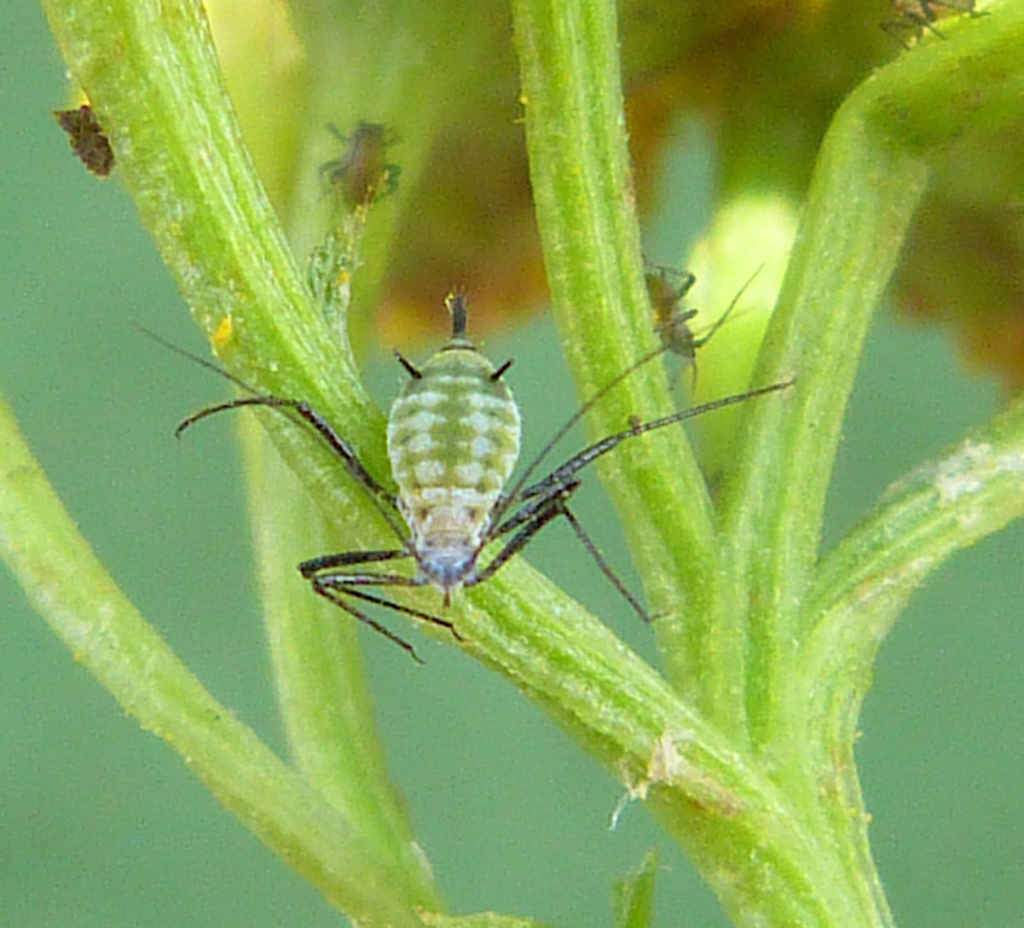
Macrosiphoniella tanacetaria
Macrosiphoniella tanacetaria apterae are large wax powdered green or pinkish-brown aphids which use Tansy as their main host plant, although a range of other host plants may also be used.
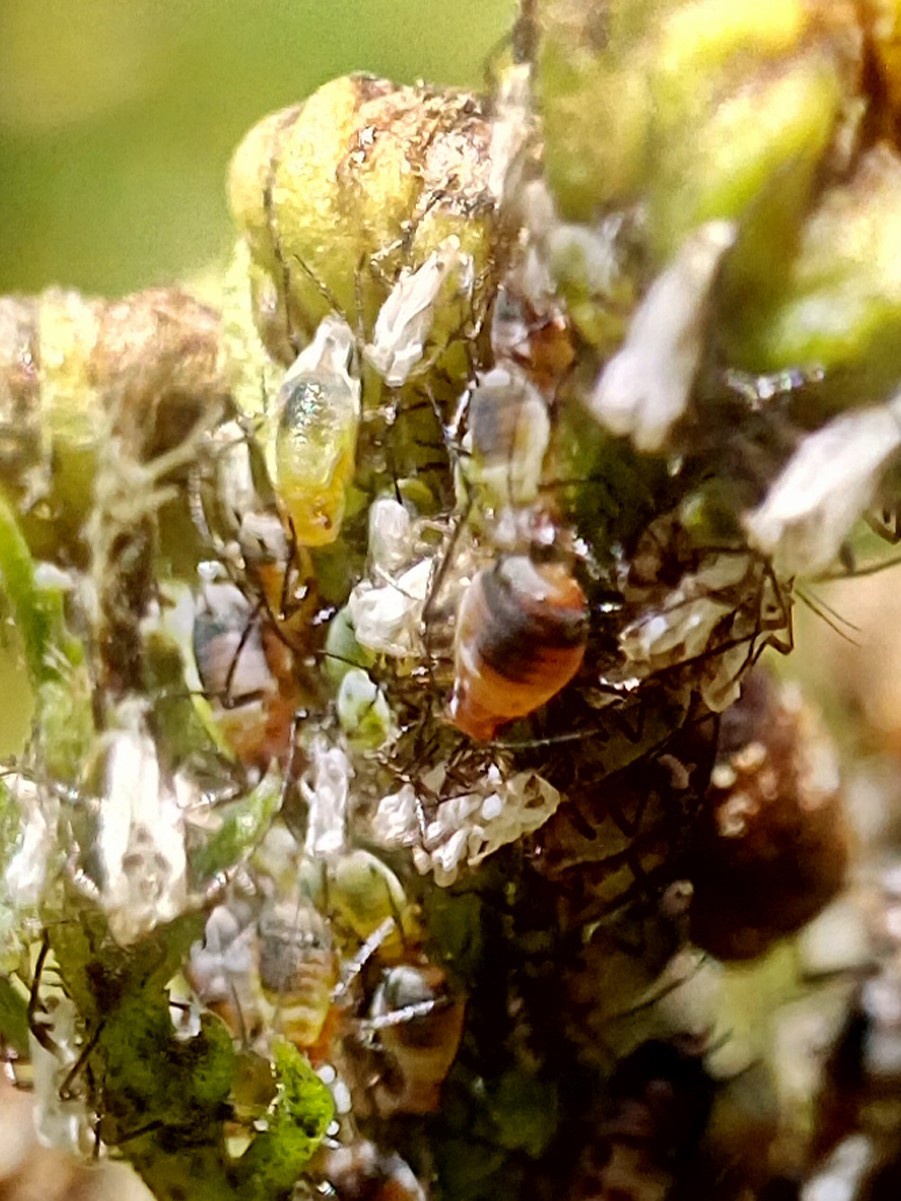
Pink Tansy Aphid
The Pink Tansy Aphid (Metopeurum fuscoviride) feeds mainly on Tansy. It is a medium-sized pink aphid with a large blackish spot on the abdomen. The antennal tubercles are very weakly developed, so that the front of head is very shallowly concave. The siphunculi are dark and thin and 1.3 to 2 times the length of the cauda. The cauda is dusky or dark, elongate triangular with a rather narrow apex, less than 1.7 times longer than its basal width. The body length of the apterae is 2.2-2.9 mm.