

Diplocarpon rosae
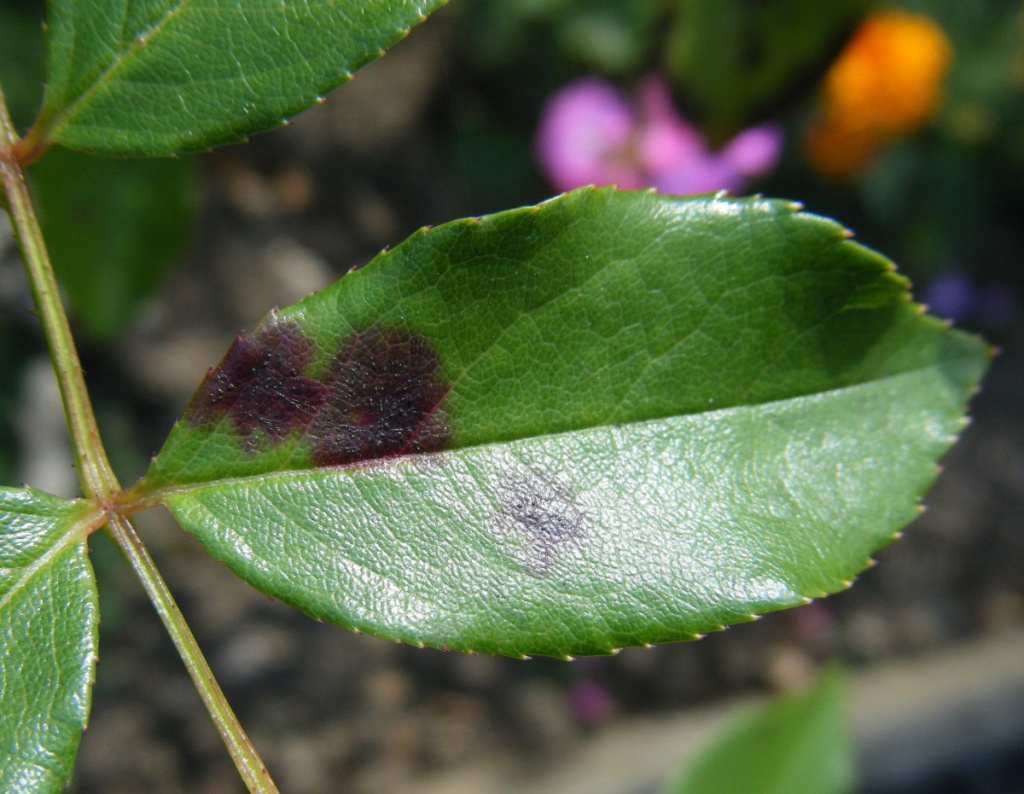
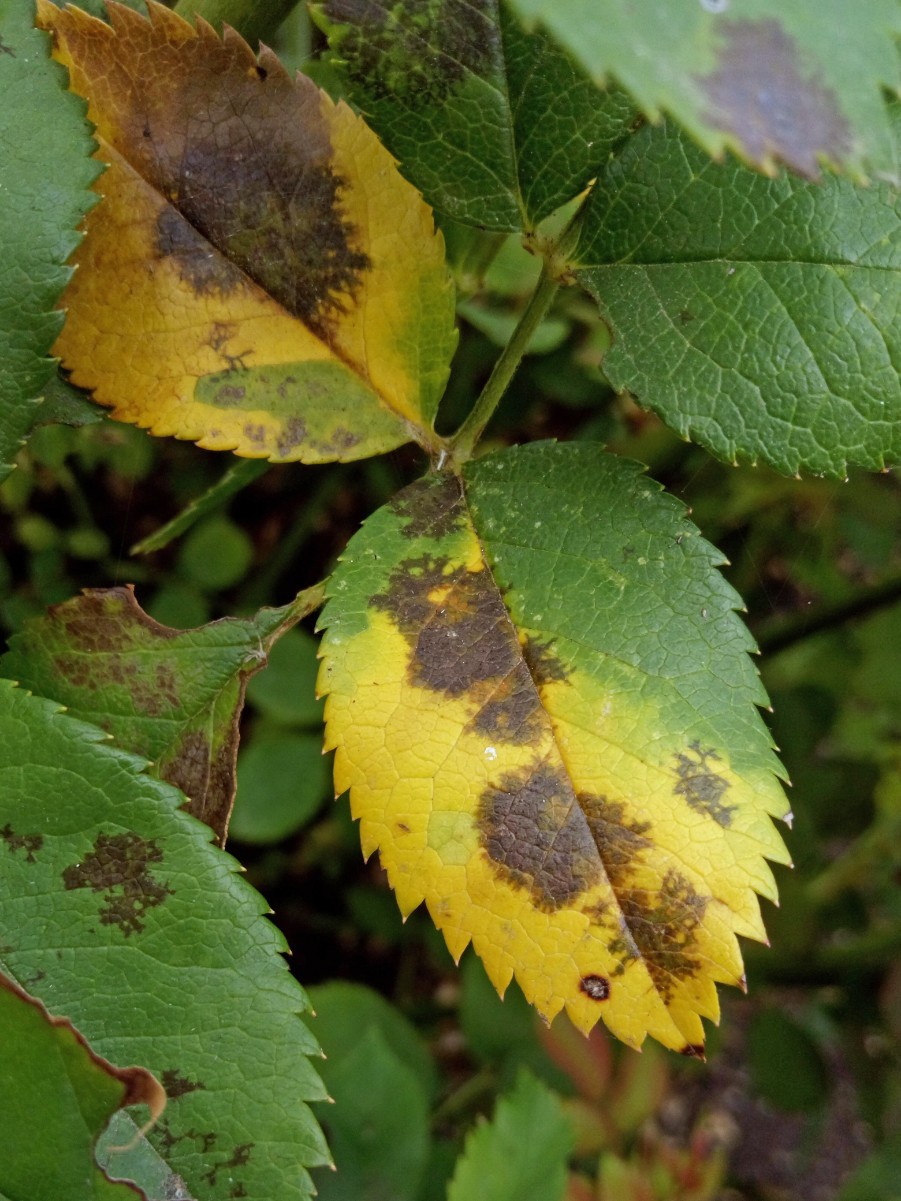
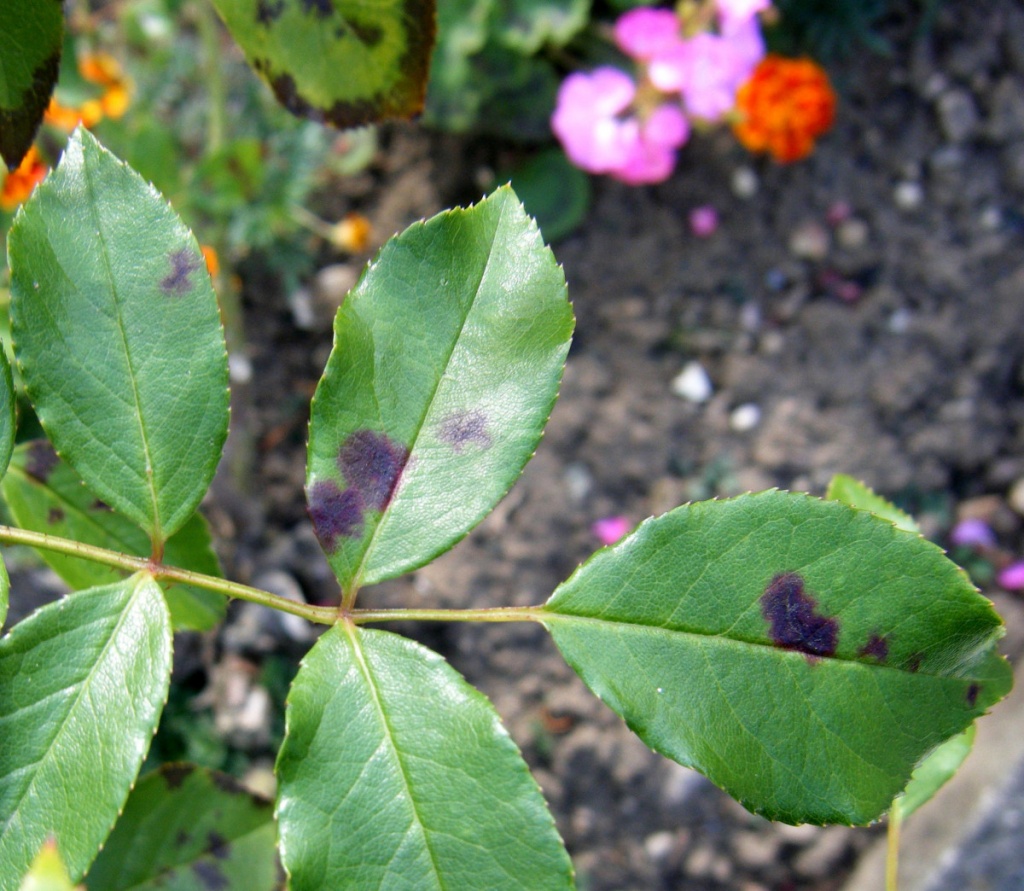
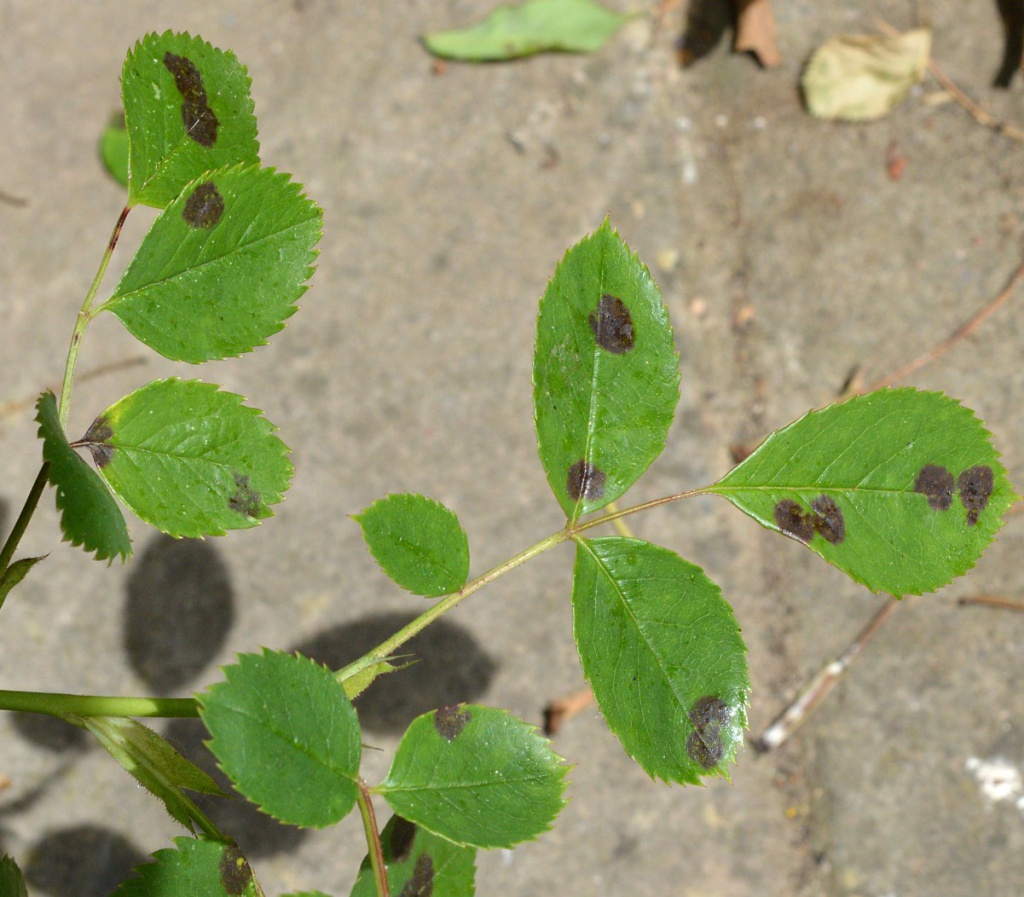
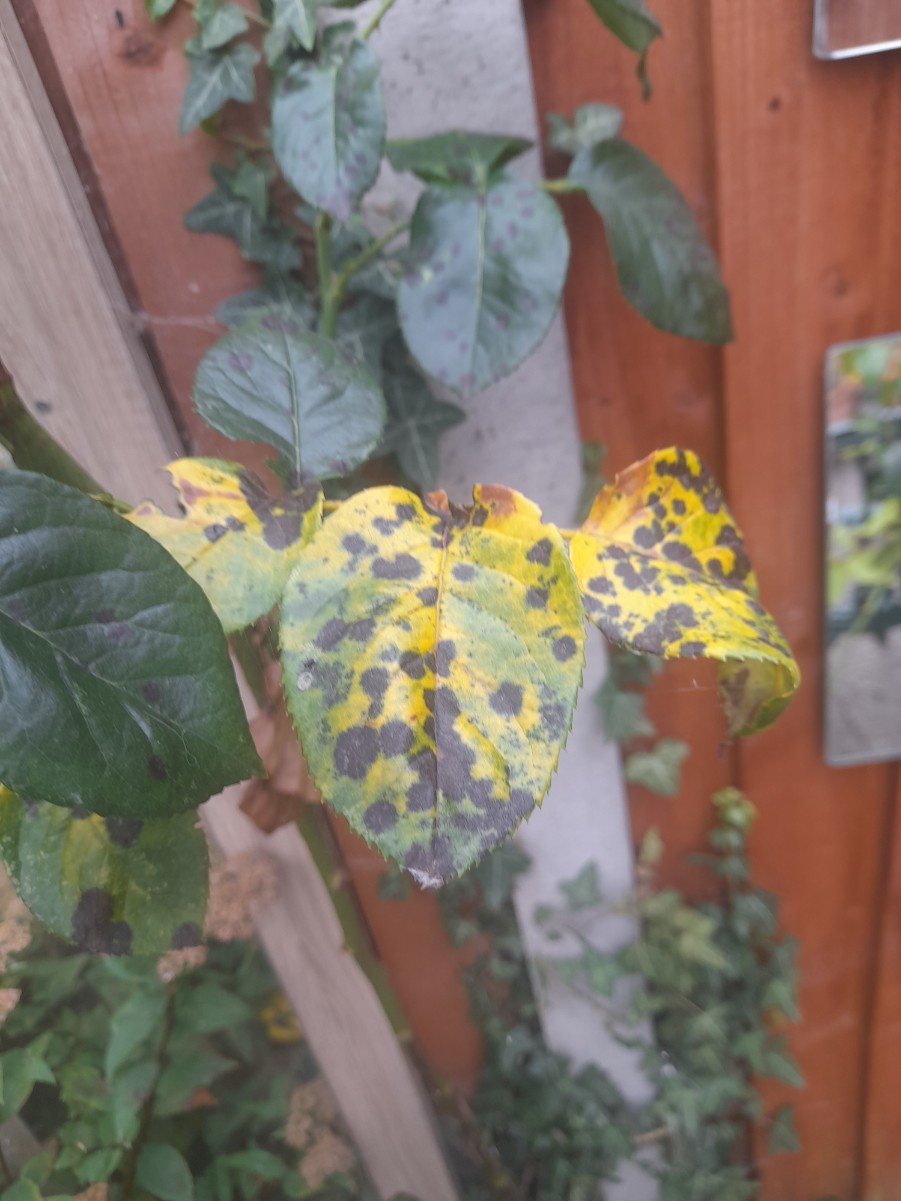
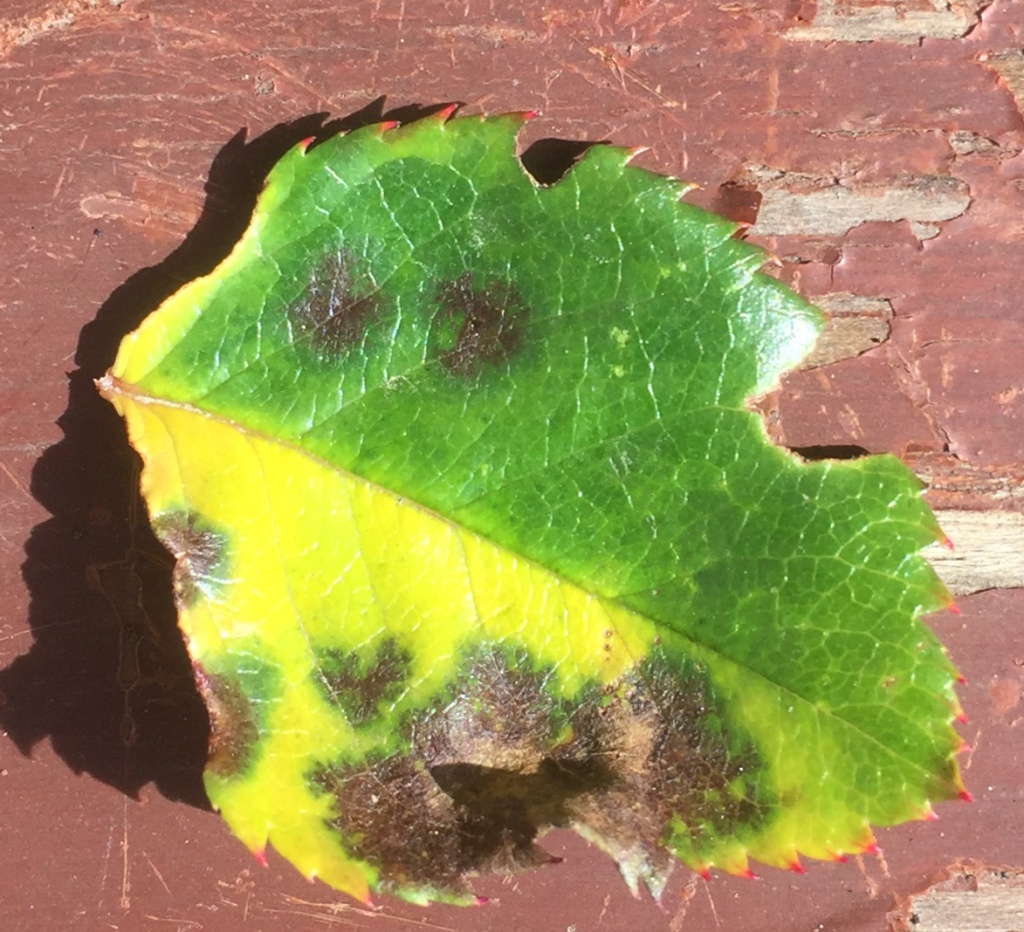
Diplocarpon rosae causes the rose disease Black Spot. The brownish-black spots on the upper surface of the leaves are more or less circular, with a ragged edge, sometimes coalescing into a larger affected area. Radiating strands of hyphae may occasionaly be seen in the spot. The leaf often turns yellow and drops early. Acervuli on the surface of the spot produce masses of one- or two-celled conidia which are spread in water to form new infections - hence the disease thrives in warm, wet weather. Lesions can also appear on the stems, and the fungus overwinters on fallen leaves and in stems and dormant buds.
host 
Photograph the fungus on the host plant and in close-up; note host species/genus in your comments
on Roses, chiefly cultivated varieties and hybrids
The fungus was almost unknown in the UK before the Clean Air Act of 1956. The Act served to improve air quality and reduced the amount of sulphur dioxide pollution in the air. As a result of the reduction in this fungicide, black spot disease increased rapidly to become a serious horticultural problem.
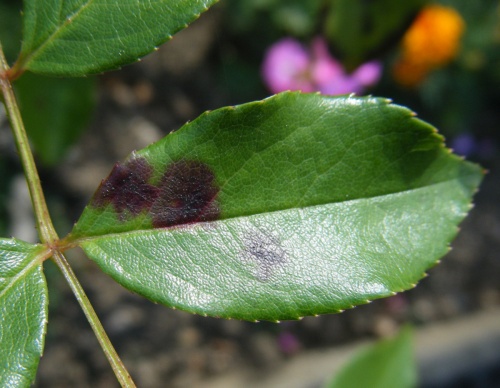 Graham Calow
Sapcote garden1
18 September 2012
on Rose leaf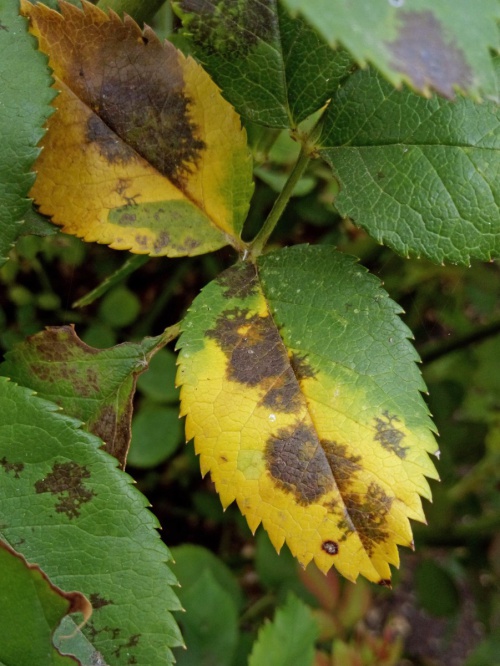 Peter Smith
Cropston garden
24 July 2022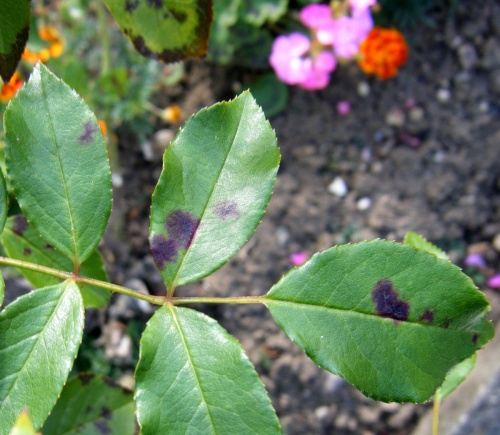 Graham Calow
Sapcote garden1
18 September 2012
on Rose leaves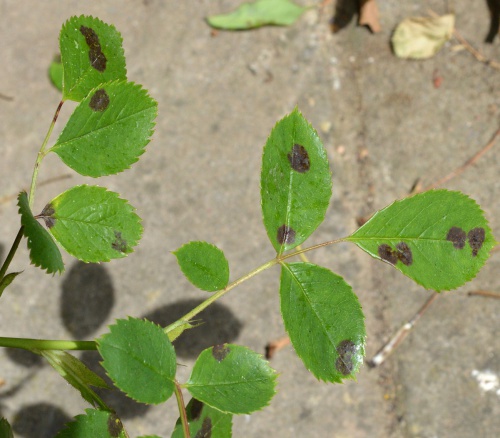 Barbara Cooper
Long Clawson
23 May 2023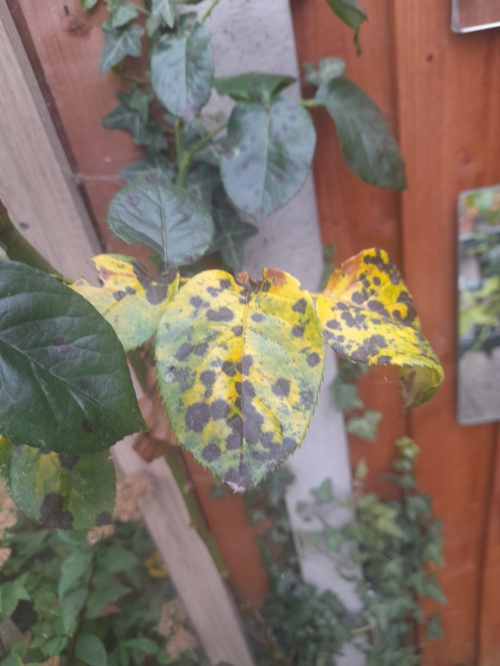 Kaye Lou
Glen Parva, 10 Hopyard Close
12 July 2022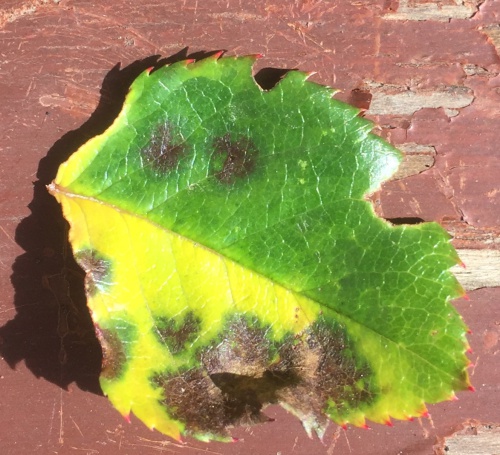 Dylan
Dylan
Melton garden
09 May 2022
Diplocarpon rosae
Leicestershire & Rutland Map
Enter a town or village to see local records
MAP KEY:
Yellow squares = NBN records (all known data)
Coloured circles = NatureSpot records: 2025+ | 2020-2024 | pre-2020
UK Map
Species profile
- Common names
- Rose Spotter, Rose Black-Spot
- Species group:
- fungus
- Kingdom:
- Fungi
- Order:
- Helotiales
- Family:
- Drepanopezizaceae
- Records on NatureSpot:
- 22
- First record:
- 18/09/2012 (Calow, Graham)
- Last record:
- 18/06/2026 (Pugh, Dylan)
Total records by month
% of records within its species group
10km squares with records
The latest images and records displayed below include those awaiting verification checks so we cannot guarantee that every identification is correct. Once accepted, the record displays a green tick.
In the Latest Records section, click on the header to sort A-Z, and again to sort Z-A. Use the header boxes to filter the list.