

Cock's-foot - Dactylis glomerata
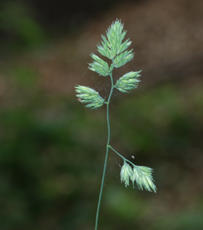
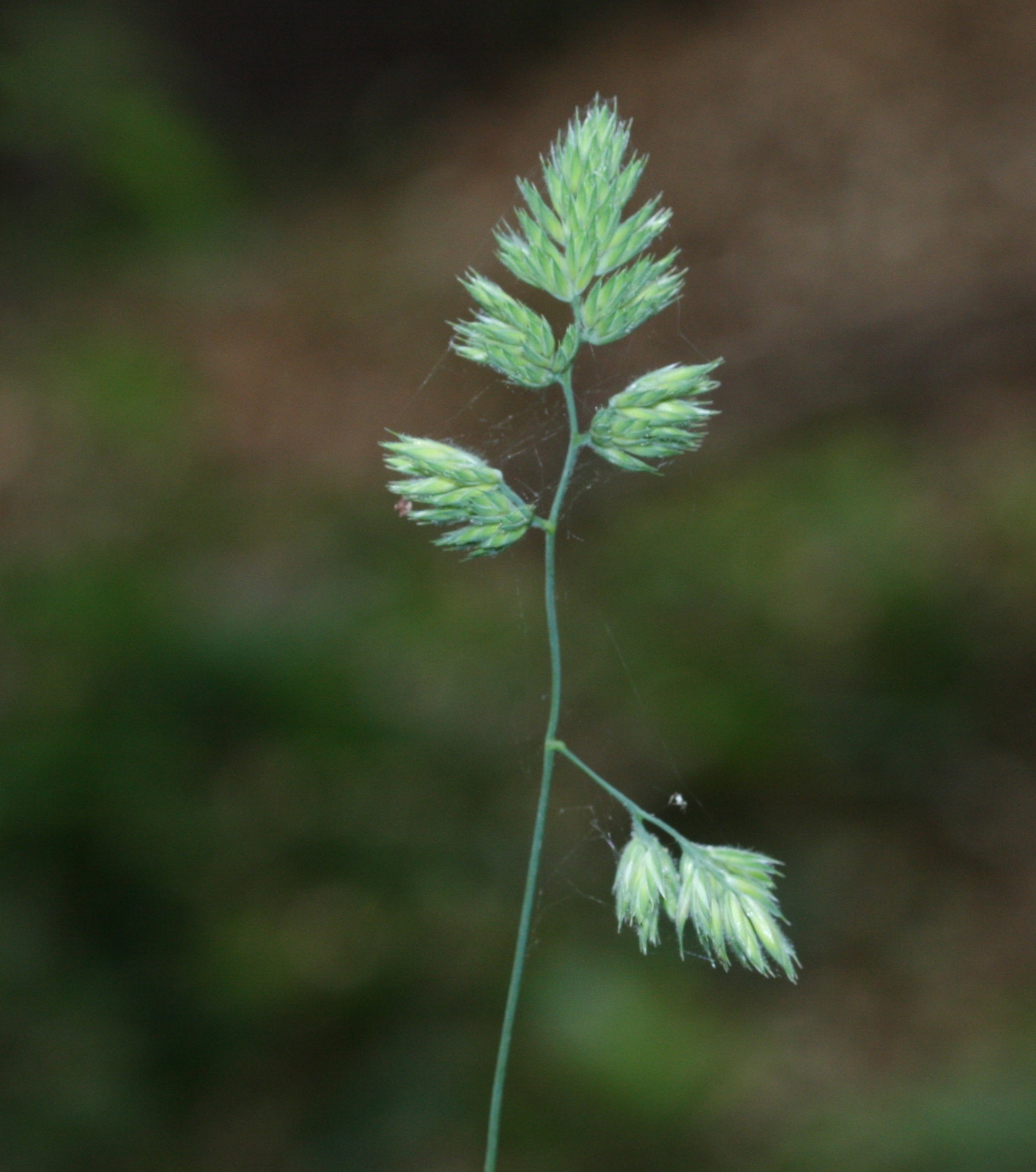
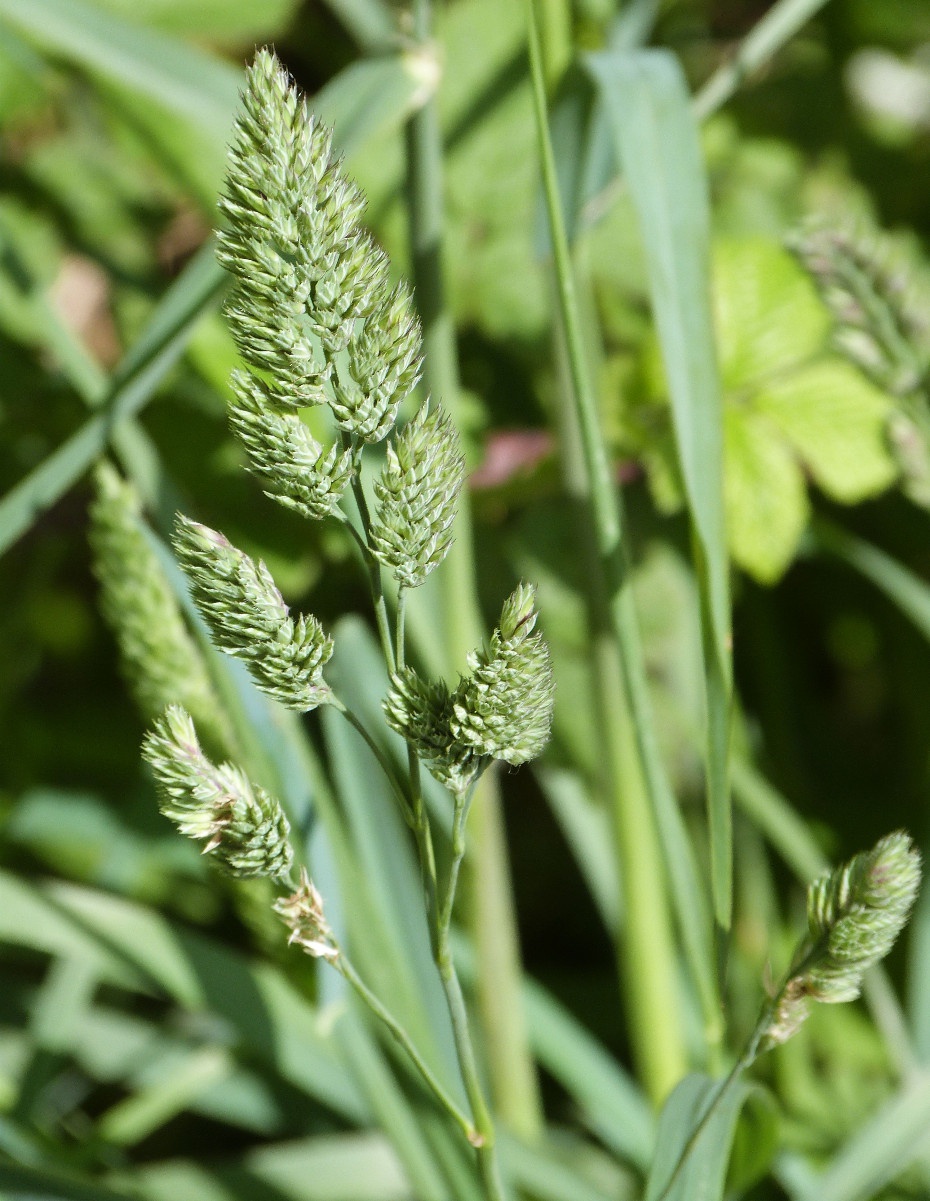
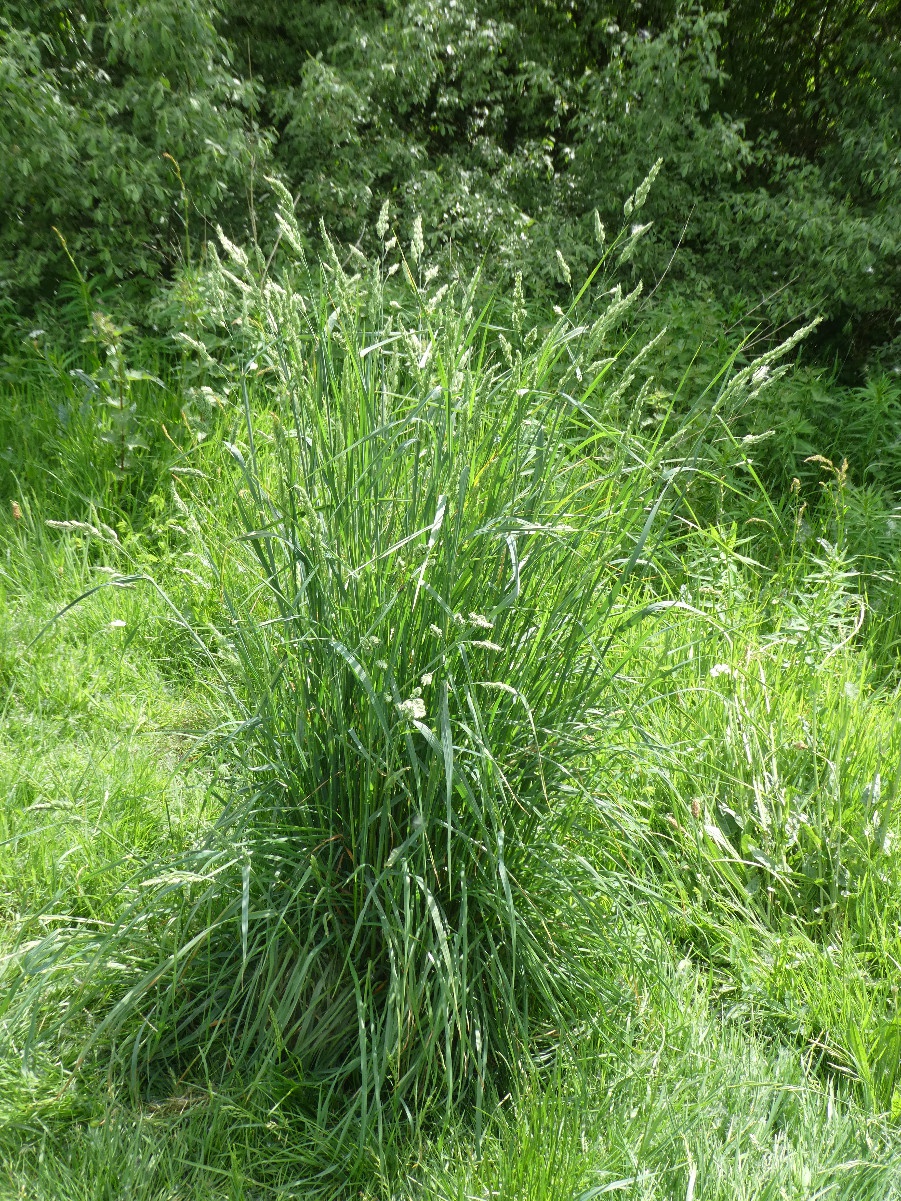
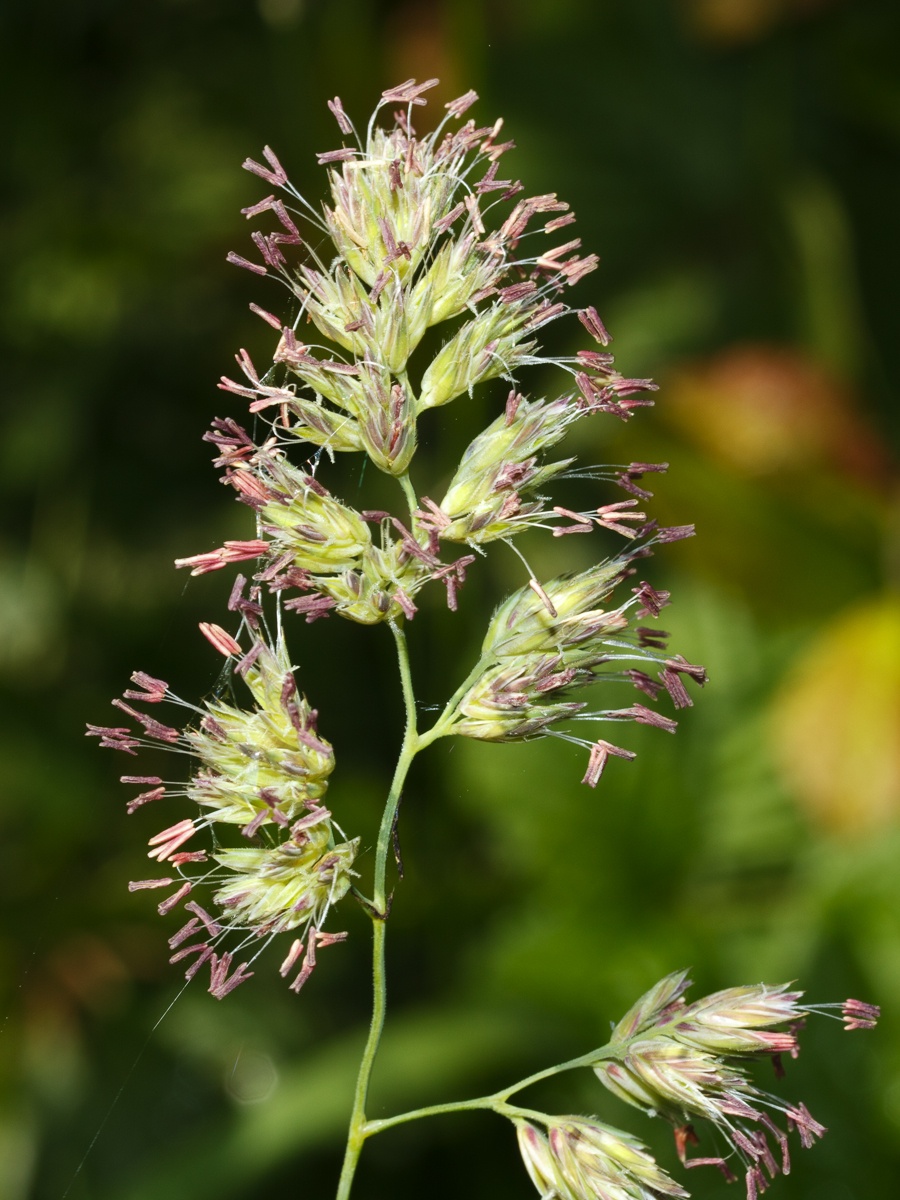
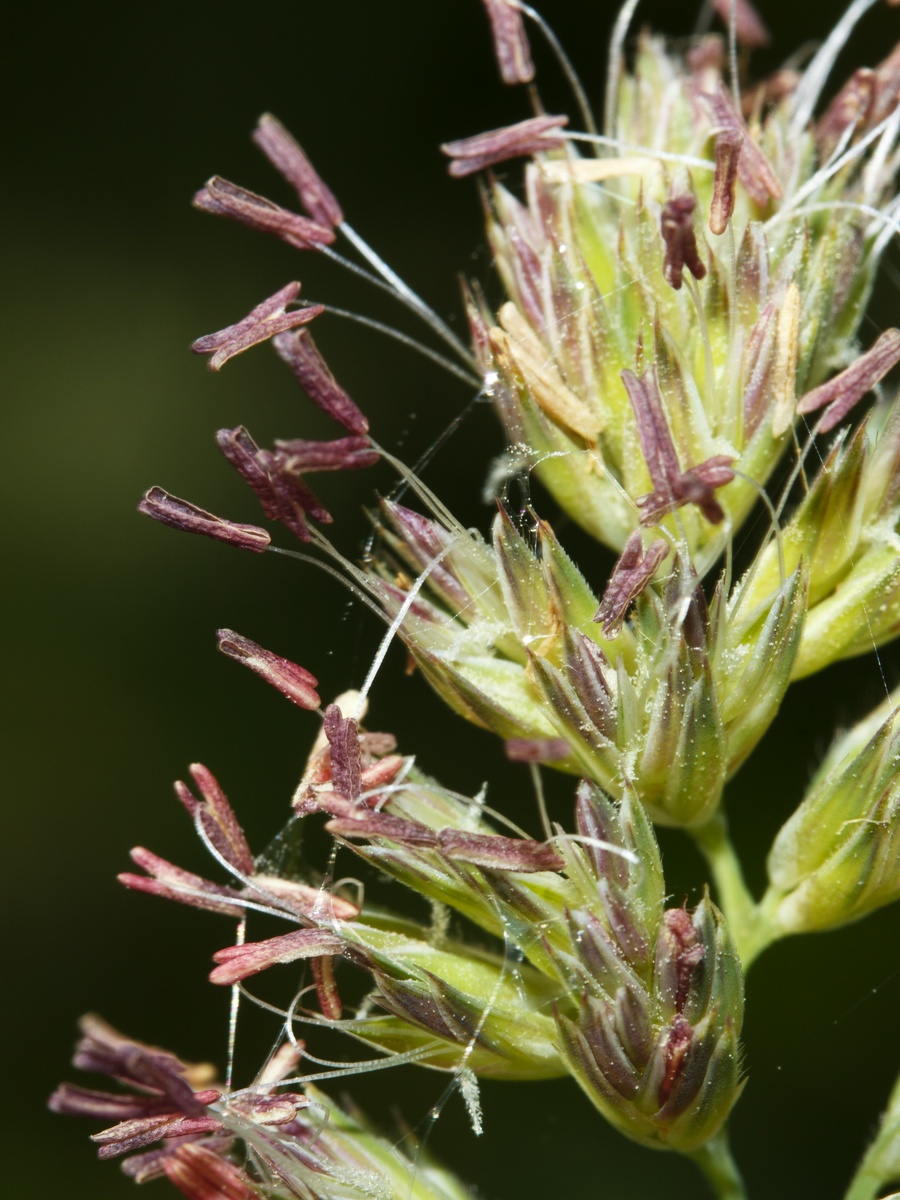
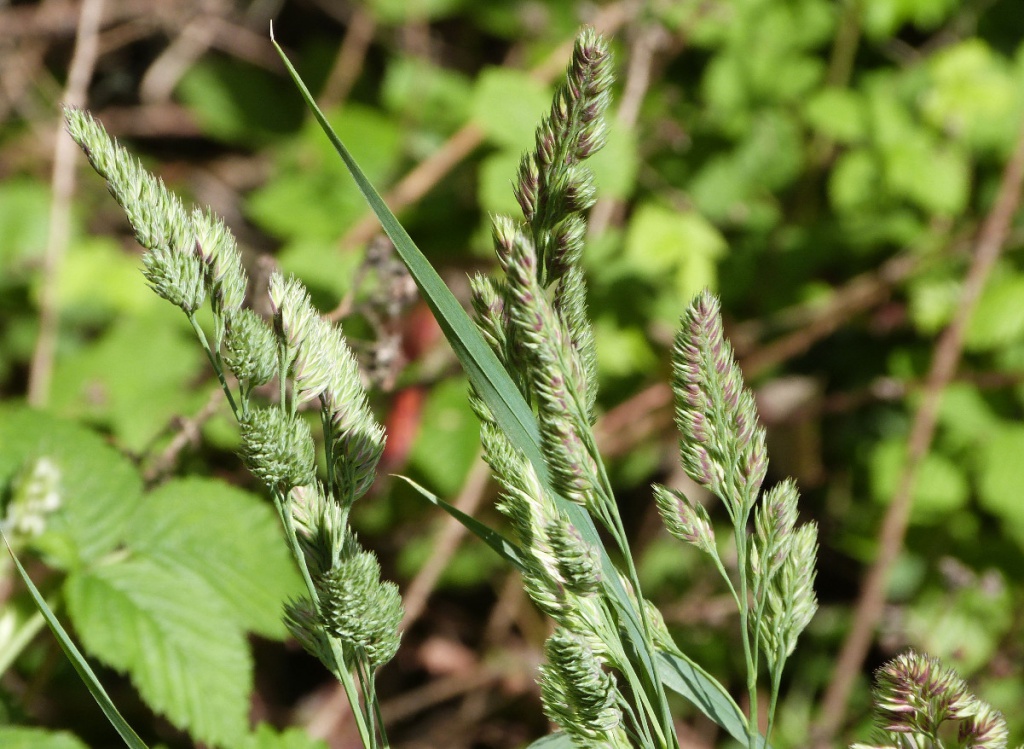
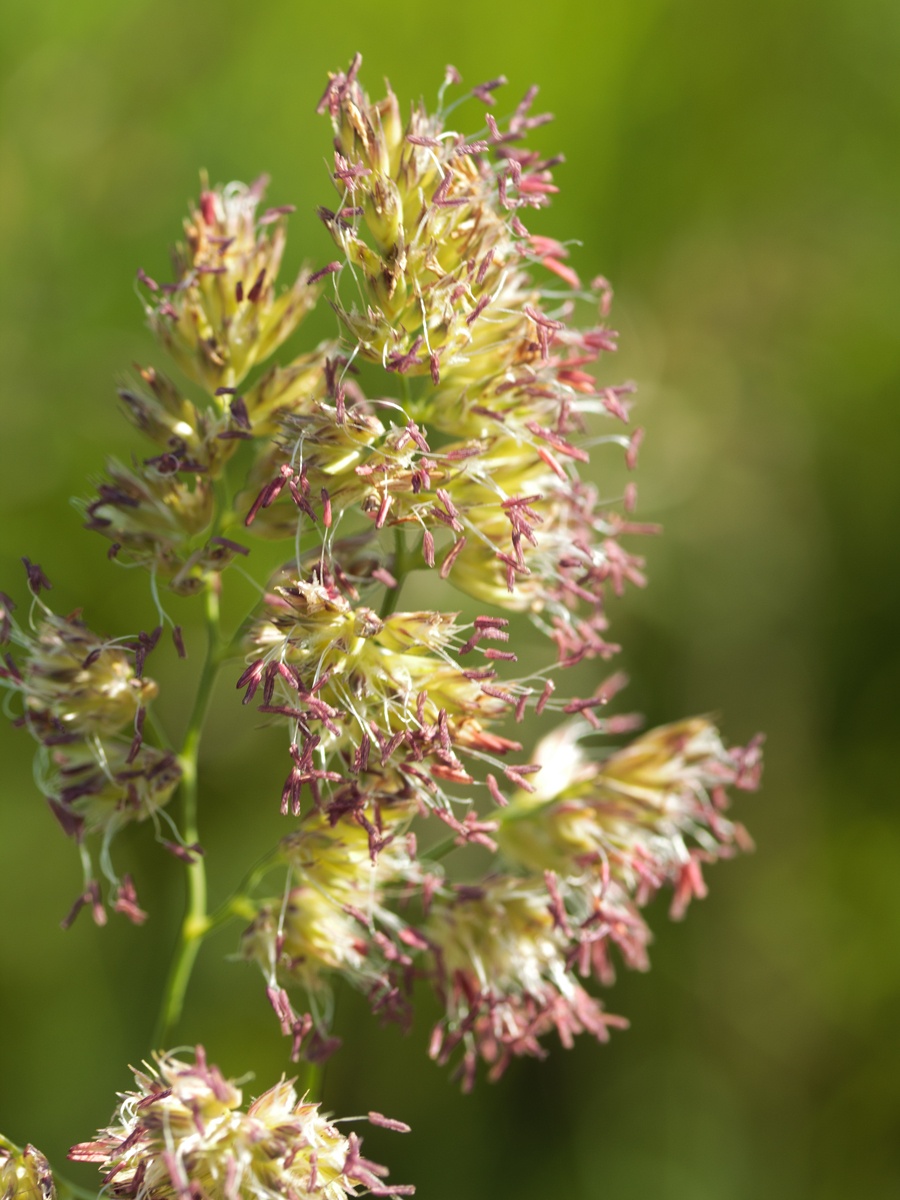
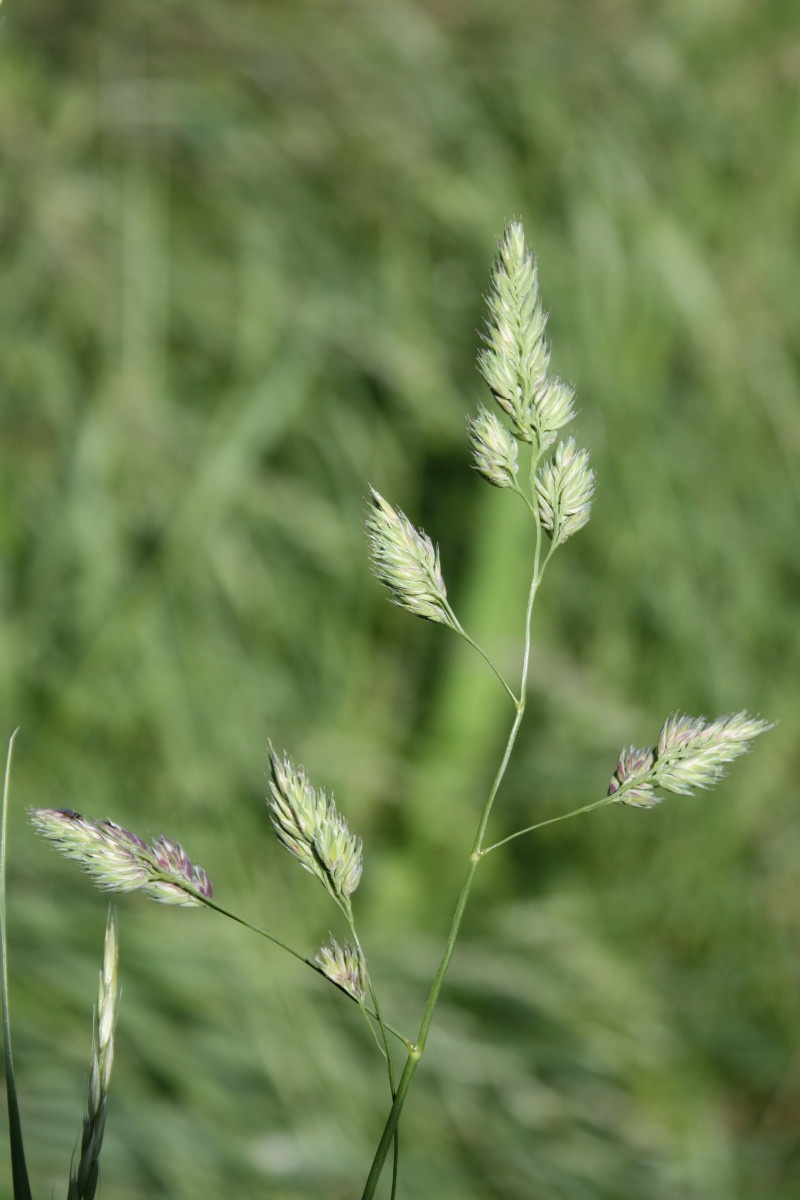
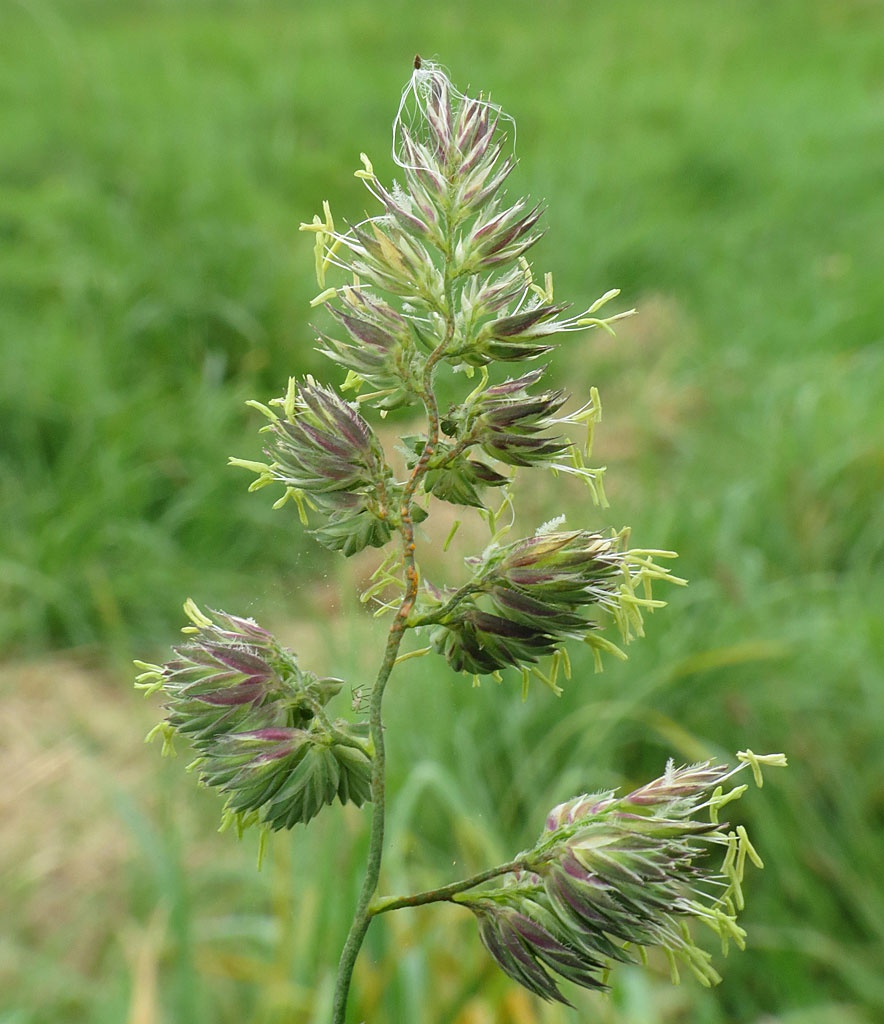
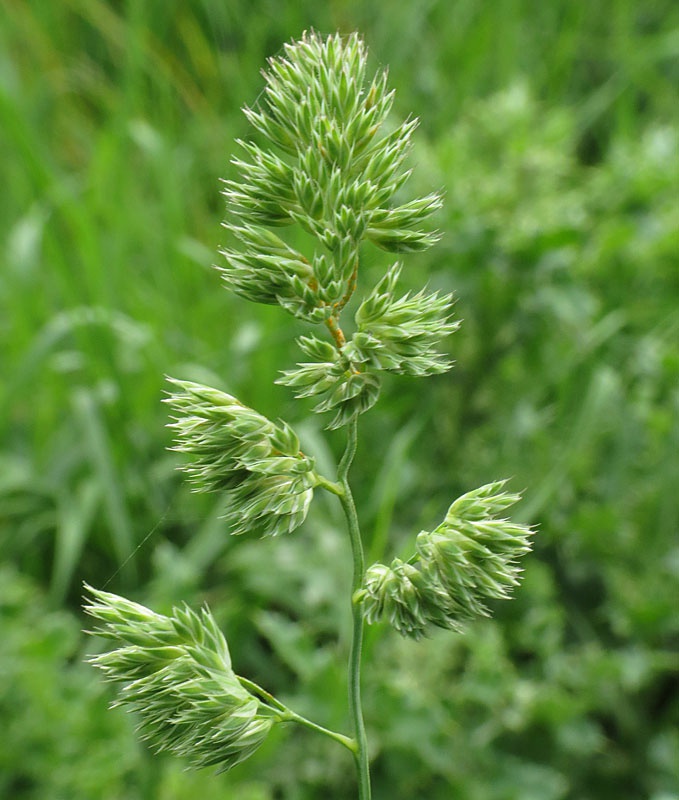
Robust and more or less hairless plant to 1 metre with stiff, rough, grey green leaves. Inflorescence is erect 3 to 15 cm long, with one or two stiff lower branches and a longer upper branch. All bear dense ovoid clusters of flattened green or purple tinged spikelets. Cock's-foot is a species that can be affected by vivipary which causes abnormal development and growth (see an explanation on the 'Cabinet of Curiosities' website using the link in 'Further Information' section below)

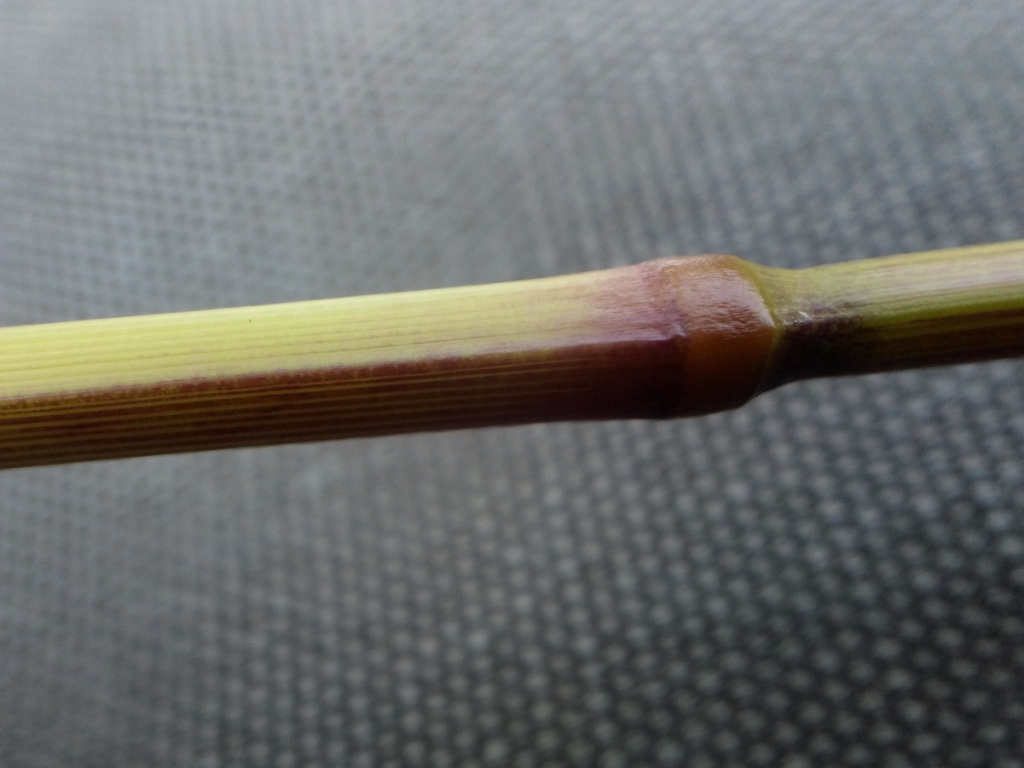
The panicle is clearly branched, with only one branch at the lowest ‘whorl’. Spikelets are in dense clusters at the ends of each branch. Stem bases are compressed and often slightly winged. The leaves are often glaucous. The panicle is clearly branched, with only one branch at the lowest ‘whorl’. Spikelets are in dense clusters at the ends of each branch. Stem bases are compressed and often slightly winged. The leaves are often glaucous.
Meadows and roadsides.
May to September.
Perennial.
Very common throughout Britain.
Very common in Leicestershire and Rutland. In the 1979 Flora survey of Leicestershire it was found in 606 of the 617 tetrads.
 David Nicholls
New Lount
09 June 2011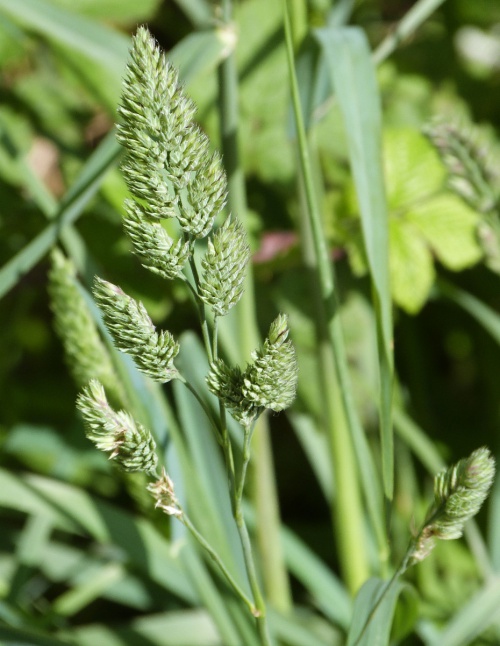 Graham Calow
Cambridge Road, Cosby
15 May 2016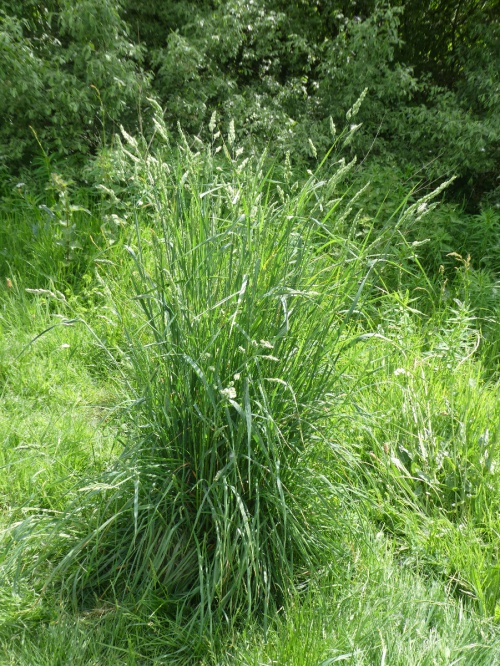 Melinda Bell
Whitwick,Coalville Meadow SSSI
07 June 2021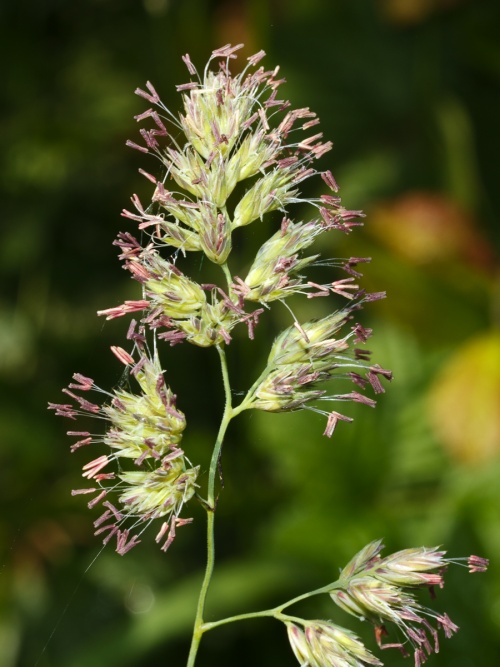 HAPeacock
The Orchards
19 June 2012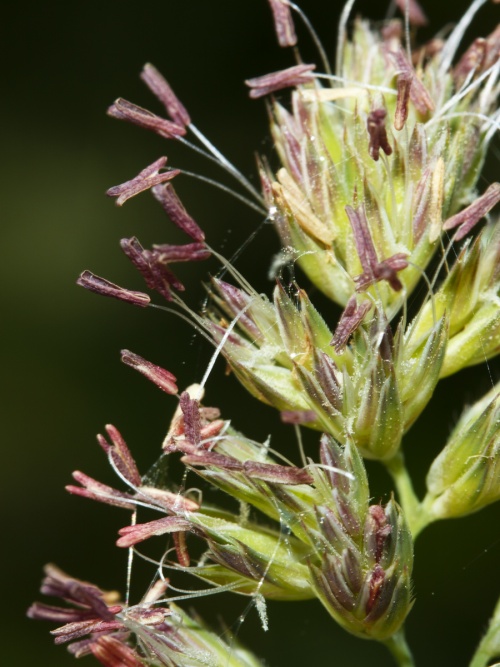 HAPeacock
The Orchards
19 June 2012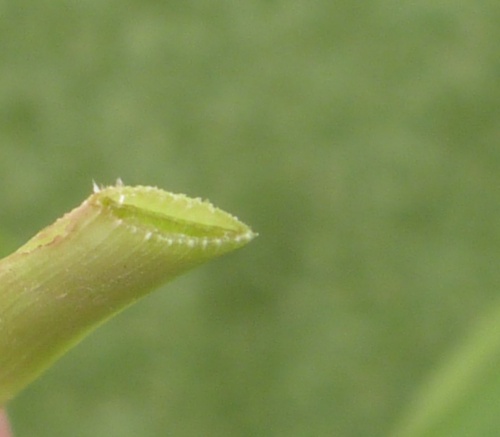 Graham Calow
Sapcote, Land behind William Spencer Avenue
12 July 2021
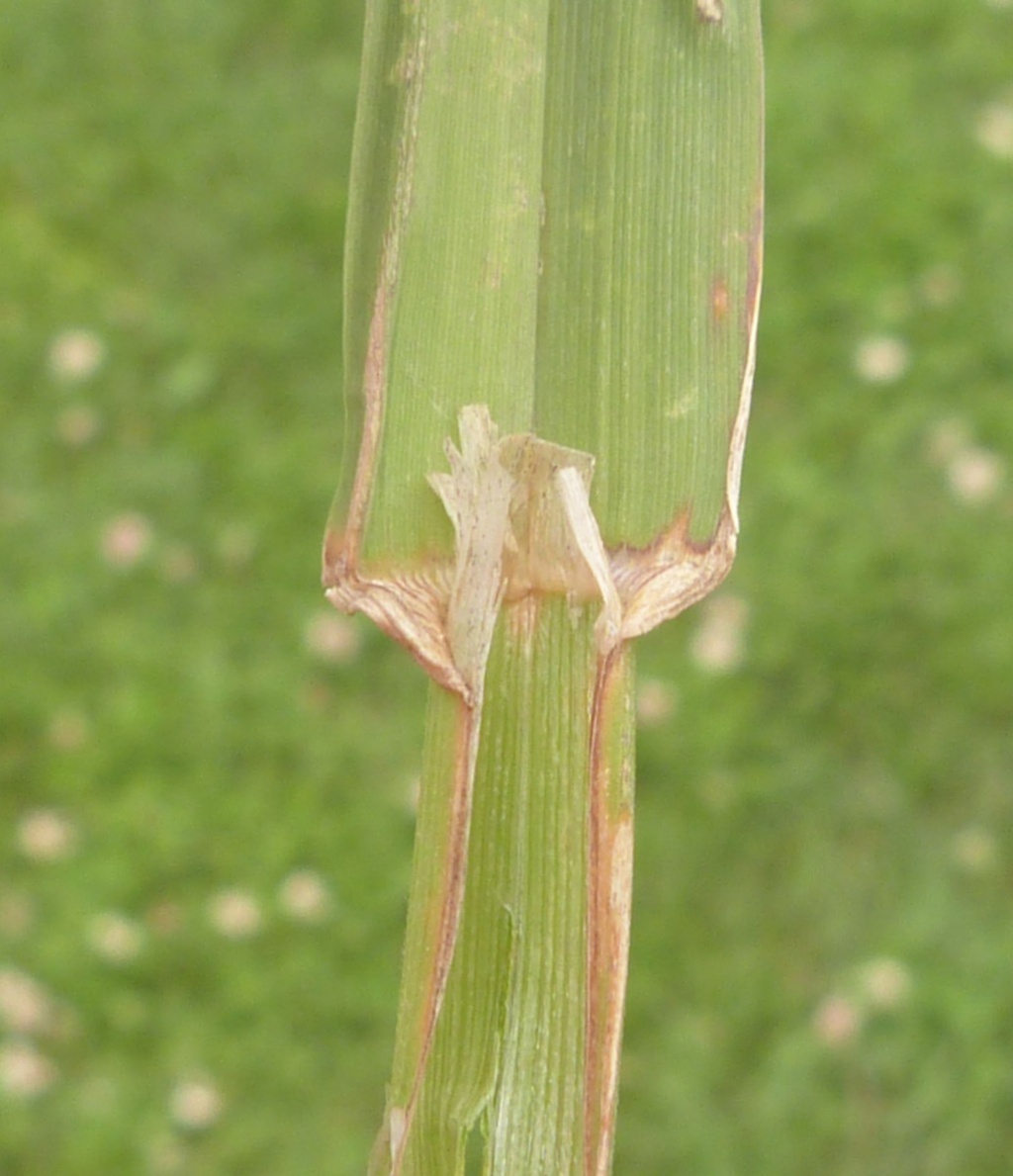
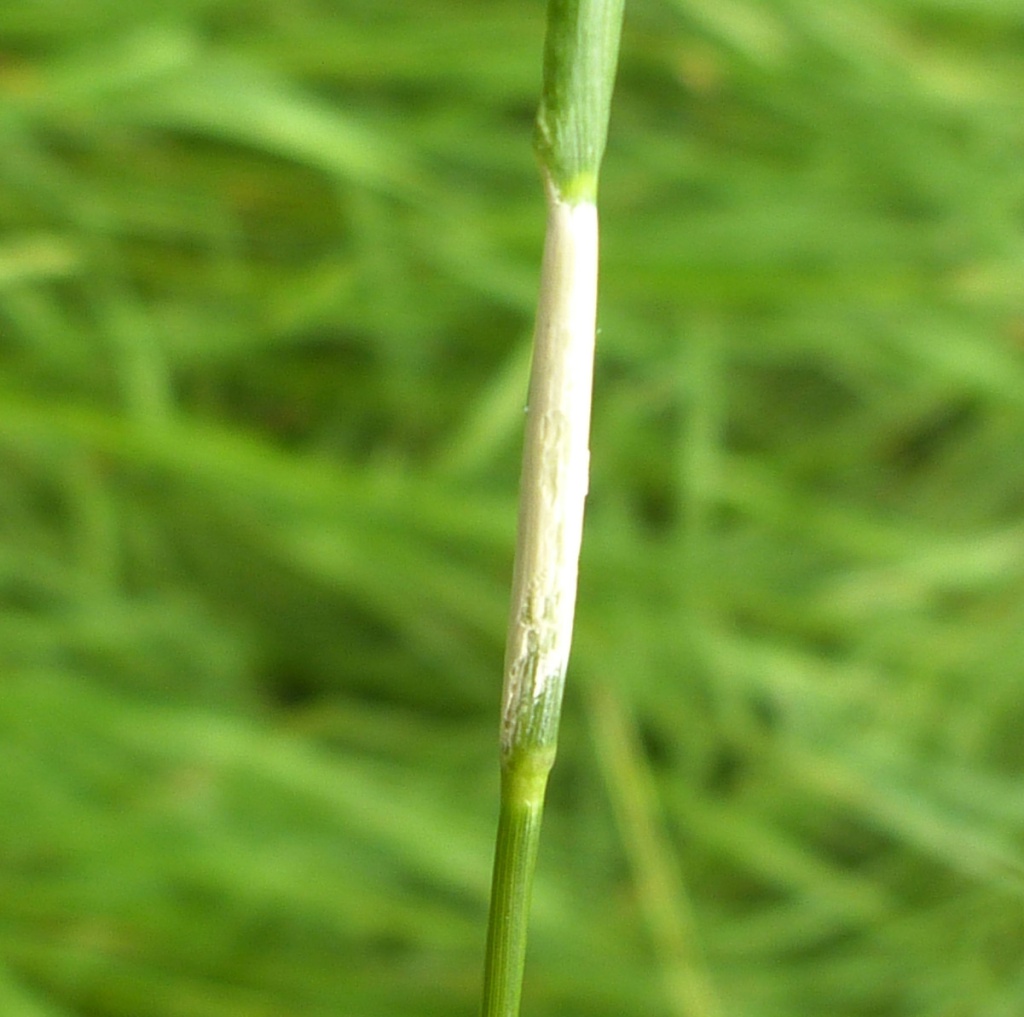
flattened culm base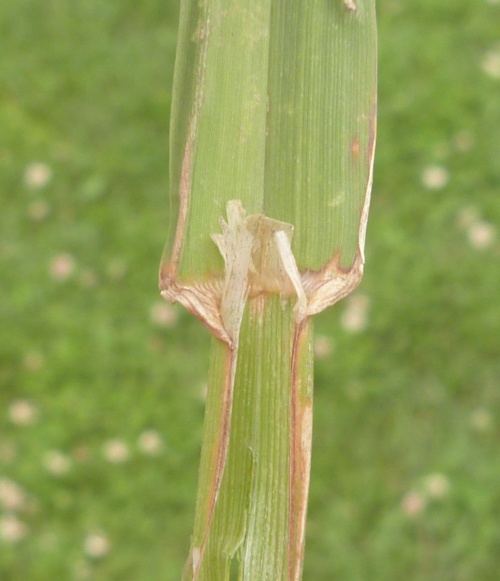 Graham Calow
Sapcote, Land behind William Spencer Avenue
12 July 2021
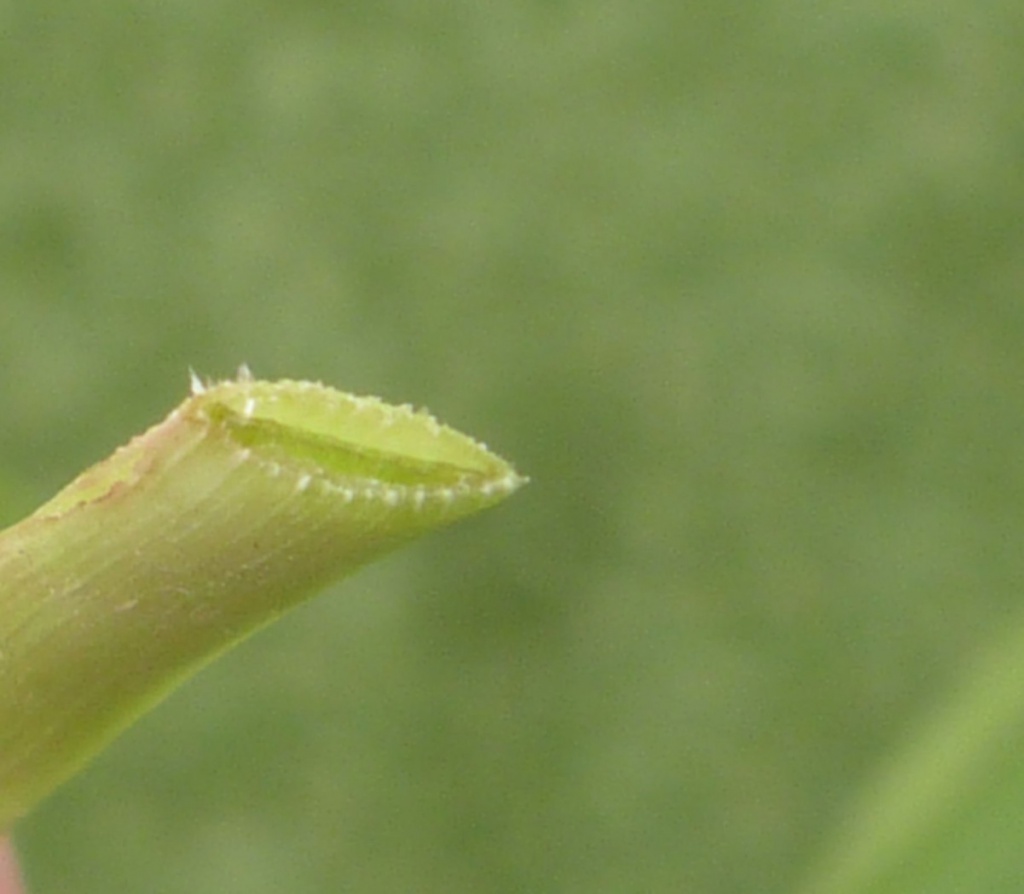
ligule
Leicestershire & Rutland Map
Enter a town or village to see local records
MAP KEY:
Yellow squares = NBN records (all known data)
Coloured circles = NatureSpot records: 2025+ | 2020-2024 | pre-2020
UK Map
Species profile
- Common names
- Cocksfoot, Cock's-foot
- Species group:
- flowering plant
- Kingdom:
- Plantae
- Order:
- Poales
- Family:
- Poaceae
- Records on NatureSpot:
- 634
- First record:
- 01/07/1998 (John Mousley)
- Last record:
- 26/11/2025 (Smith, Peter)
Total records by month
% of records within its species group
10km squares with records
The latest images and records displayed below include those awaiting verification checks so we cannot guarantee that every identification is correct. Once accepted, the record displays a green tick.
In the Latest Records section, click on the header to sort A-Z, and again to sort Z-A. Use the header boxes to filter the list.
Latest images
Latest records
 Ron.stevens
Ullesthorpe Stewardship farm
20 August 2017
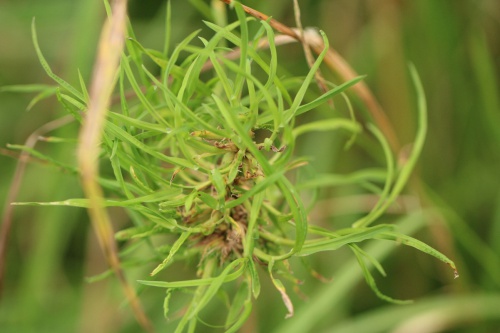
affected by vivipary By Leicester Road Quarry Wall Sapcote SP 4970 9336 (taken 31.5.2008).JPG) Graham Calow
Graham Calow
Leicester Road Quarry, Sapcote
31 May 2008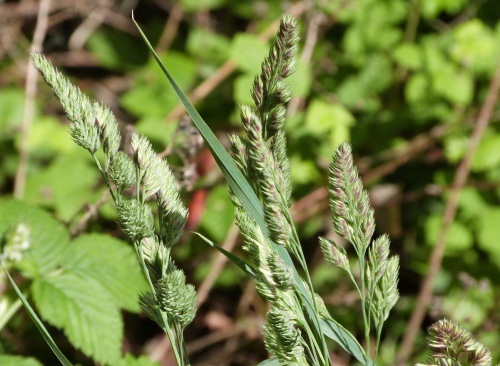 Graham Calow
Cambridge Road, Cosby
15 May 2016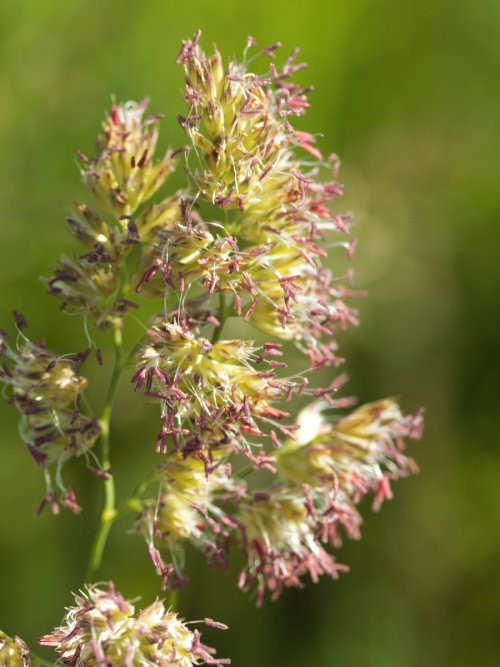 HAPeacock
The Orchards
19 June 2012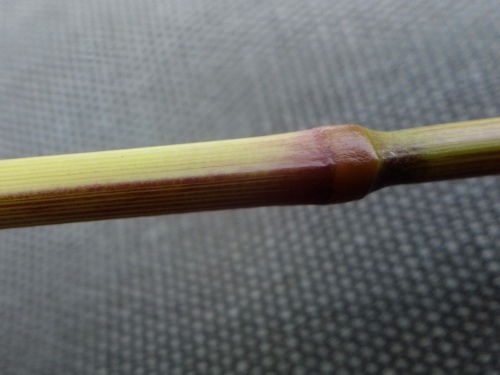 Peter Smith
Cropston, Slate Bridge
18 July 2021
Lower stem with two sharp ridges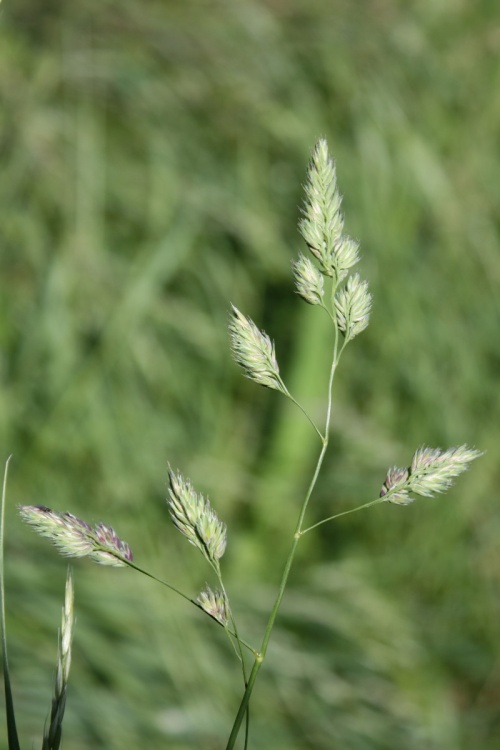 Barbara Cooper
Long Clawson
24 June 2012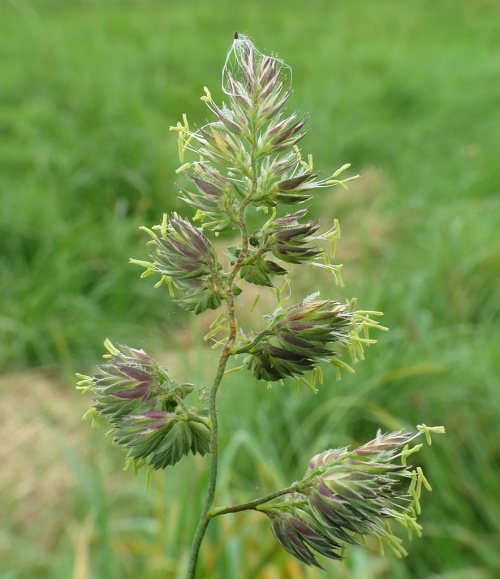 David Gould
Aylestone Meadows
04 September 2014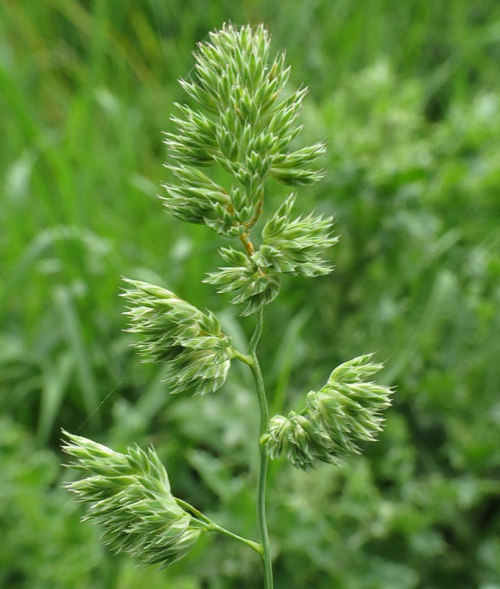 David Gould
Aylestone Meadows
04 September 2014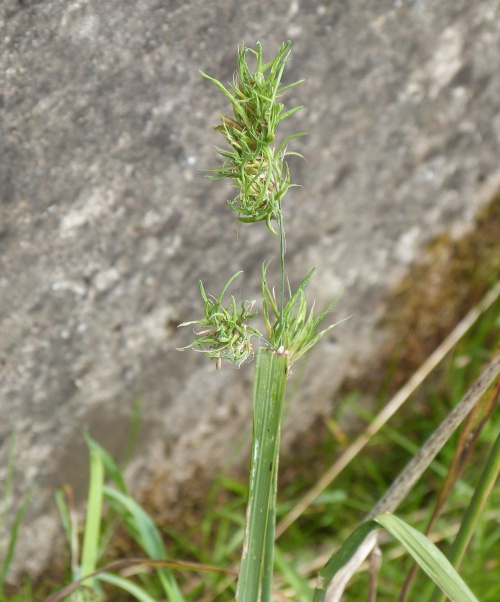 Graham Calow
M69 verge near Lychgate Lane, Burbage
07 August 2017
affected by vivipary
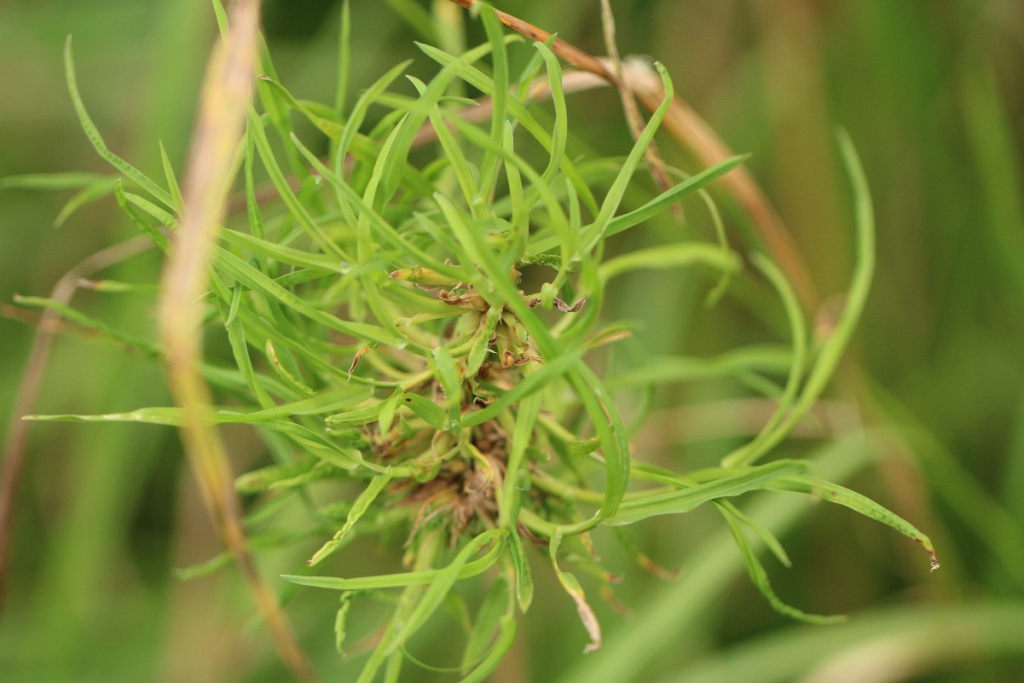
 By Leicester Road Quarry Wall Sapcote SP 4970 9336 (taken 31.5.2008).JPG)
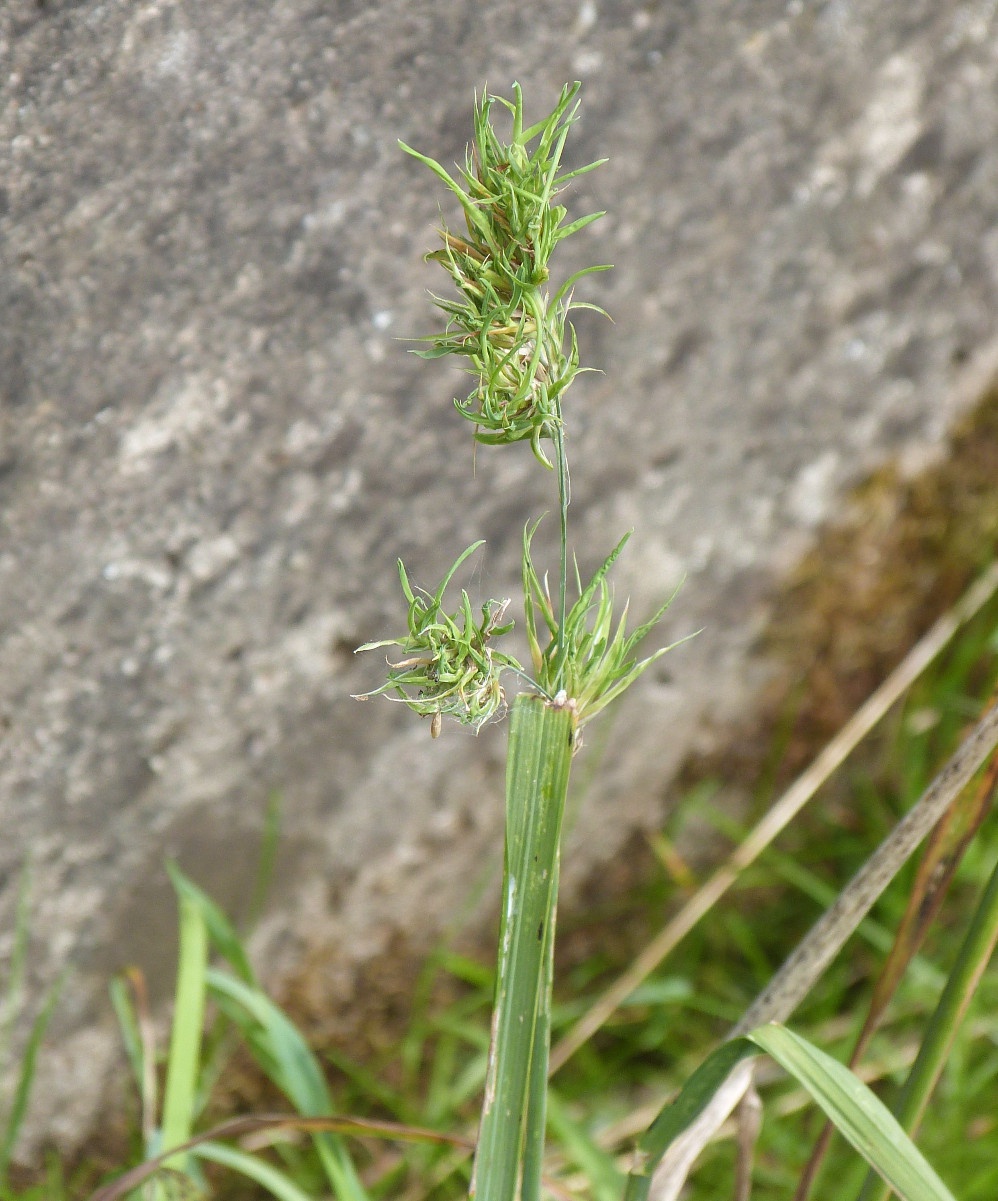
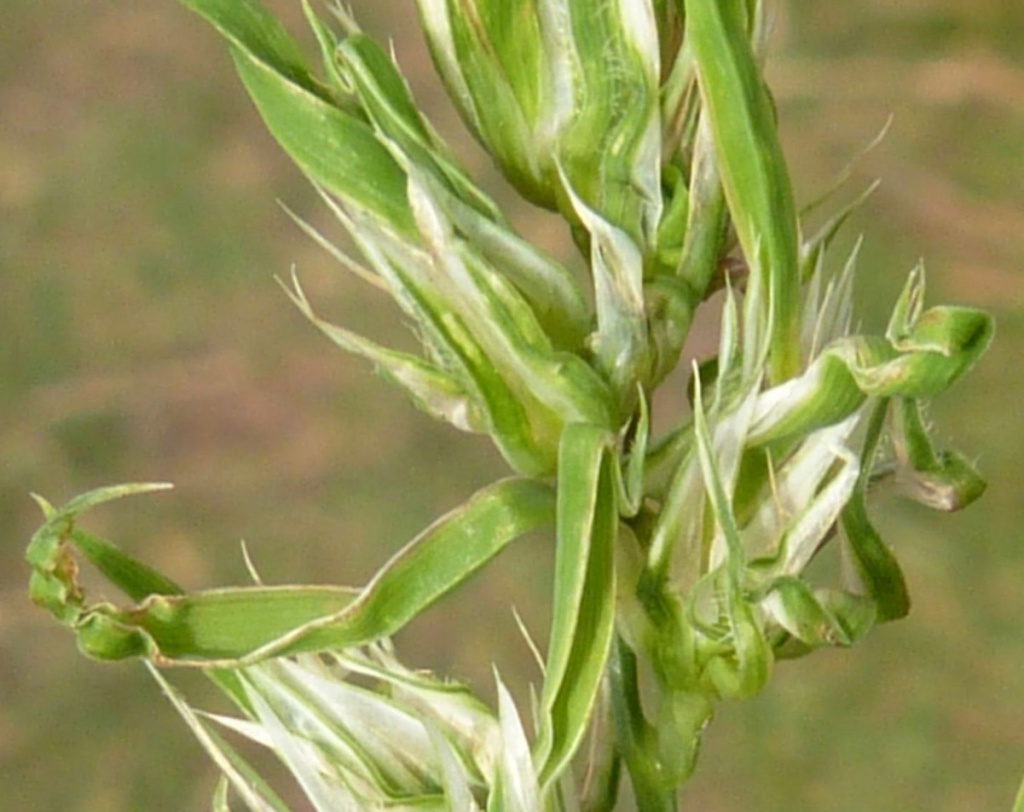
Aceria tenuis
Aceria tenuis is a gall mite that causes phyllanthy on Cock’s-foot and various other grasses. The mites live in the length grooves of the grass leaves; on grasses with smooth leaves they are much less numerous. At high densities rolling and withering of the leaves does occur, also growth disturbance, malformations and discolouration of the inflorescence.
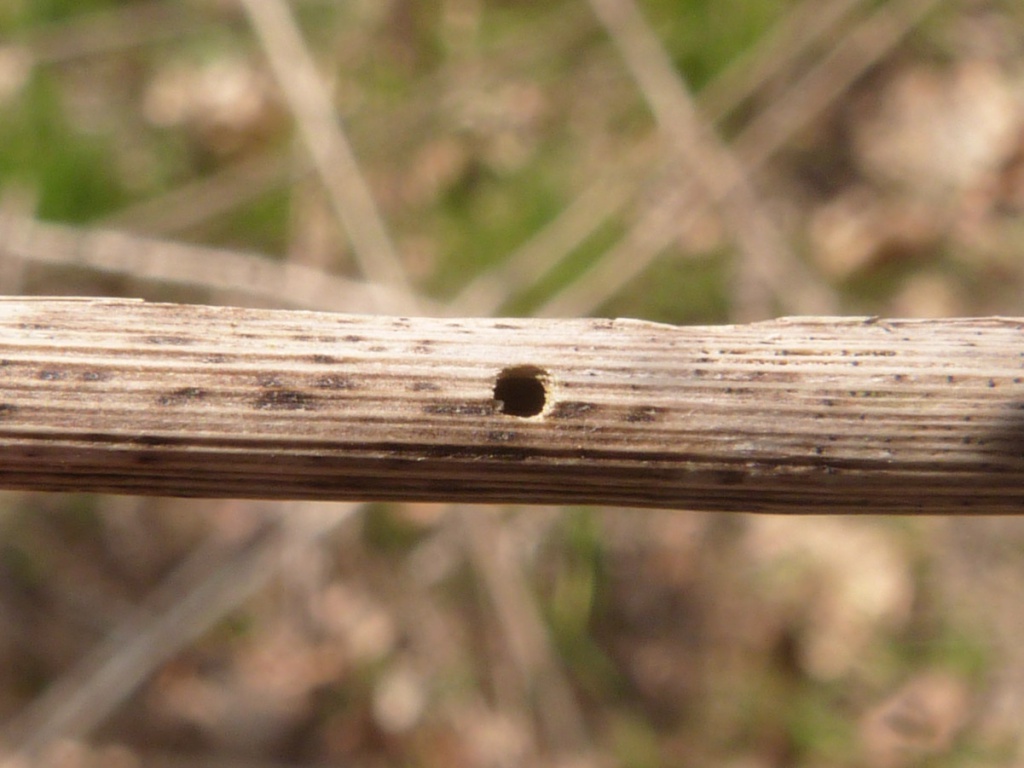
Cocksfoot Moth
The larval foodplant of the Cocksfoot Moth (Glyphipterix simpliciella) is mainly the grass Cock's-foot where the tiny caterpillars feed on the seeds, later pupating in the stem. The old stems of Cock's-foot grass often show the exit holes where the larva has exited.
%20ergots%20on%20Phleum%20pratense%20grass%20Field%20near%20Donkey%20Lane%20%20Sapcote%20SP%204860%209293%20(taken%2030.8.2009).JPG)
Ergot
Ergot (Claviceps purpurea) is a violet-black spindle-shaped structure longitudinally furrowed, up to 1cm long, and formed in the inflorescences of grasses. The fungal body is described as an ergot kernel.
Choke
Epichloe typhina fungus galls the stems of various grasses, the gall often having a rather tubular appearance. It is white in the early stages, yellowing when mature. On various grasses including many of our most common species including Sweet Vernal-grass, False Oat-grass, Cock's-foot, Perennial Rye-grass, Wood Millet, Timothy and Rough Meadow-grass.