

Bush Vetch - Vicia sepium
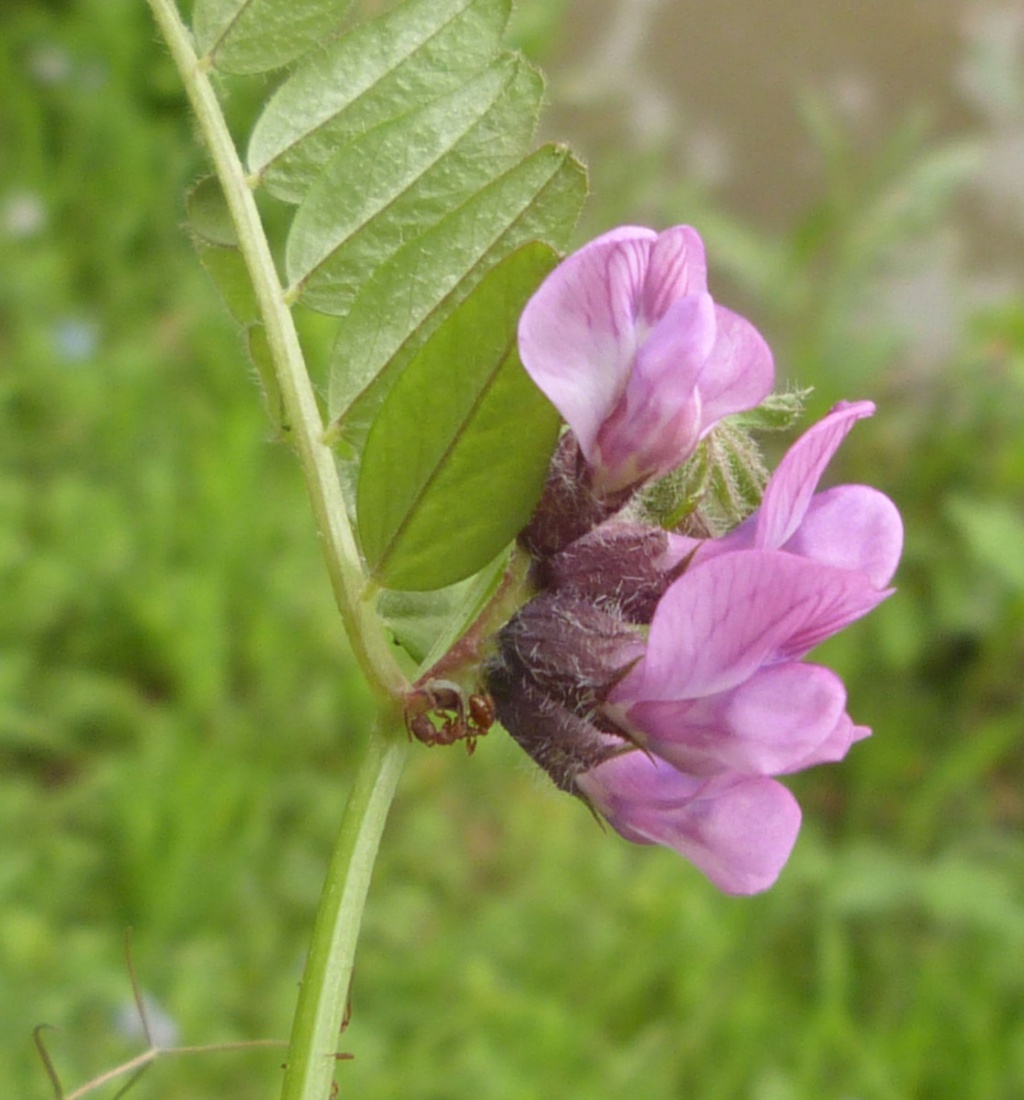
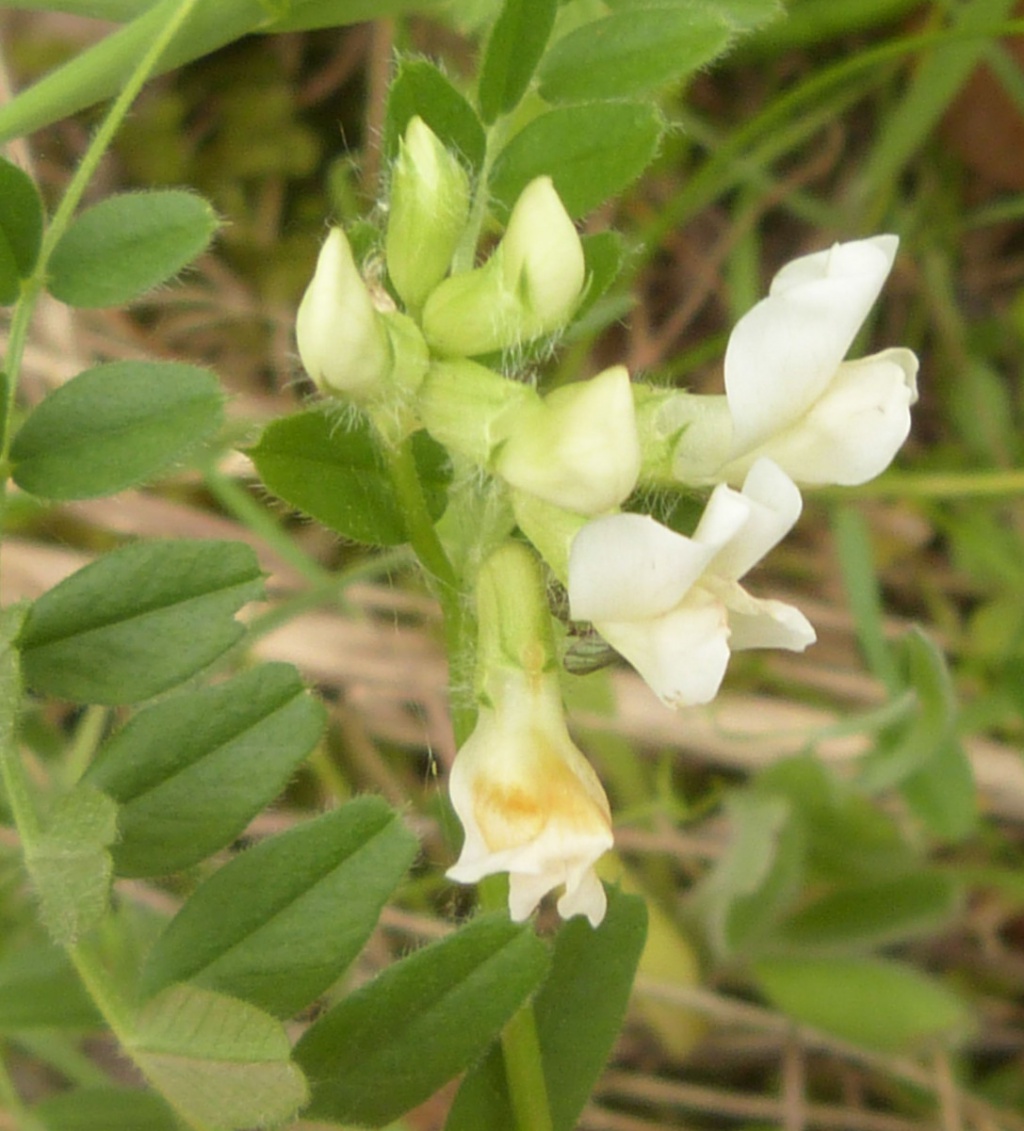
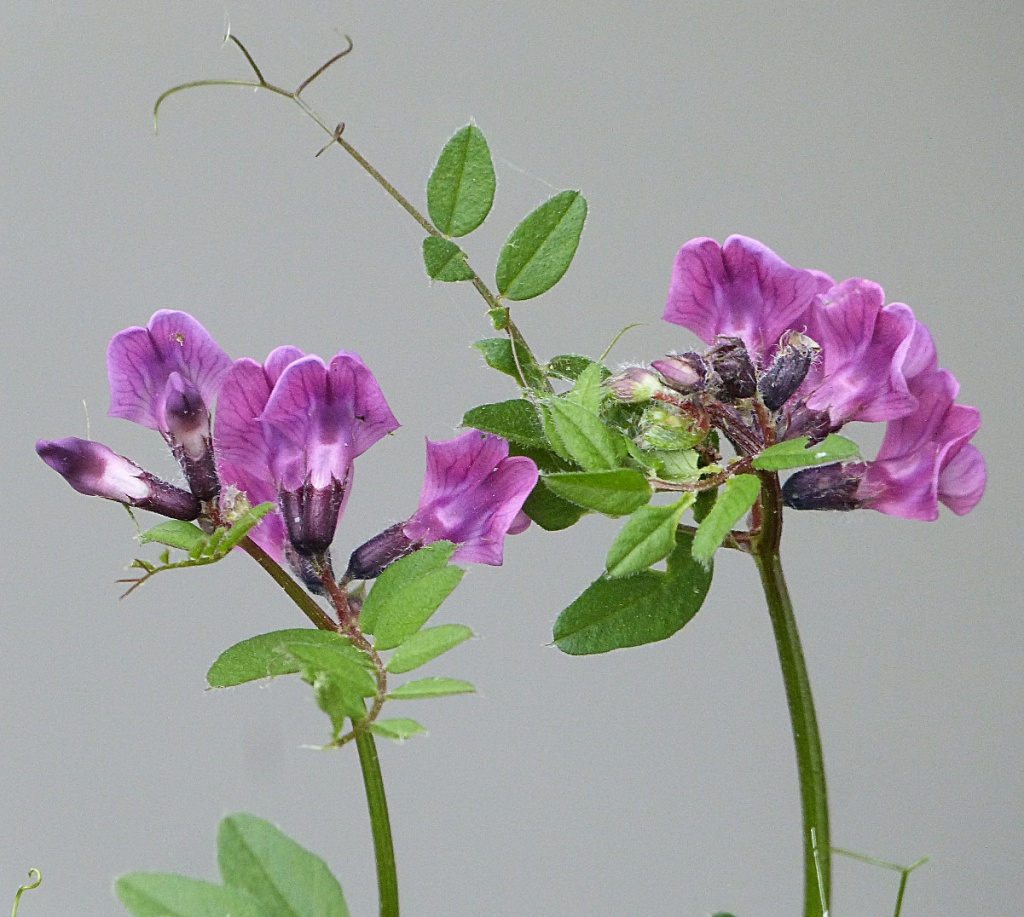
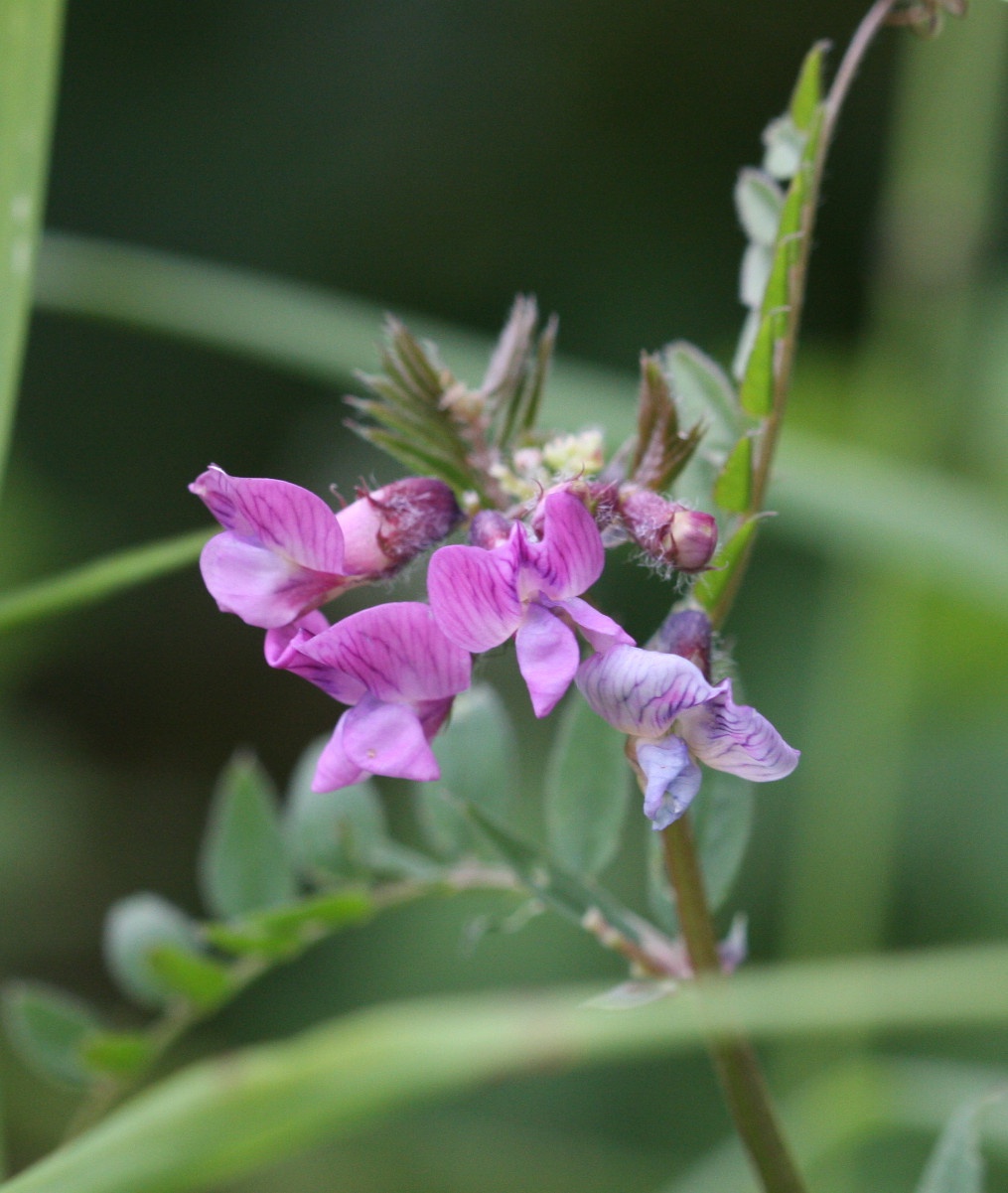
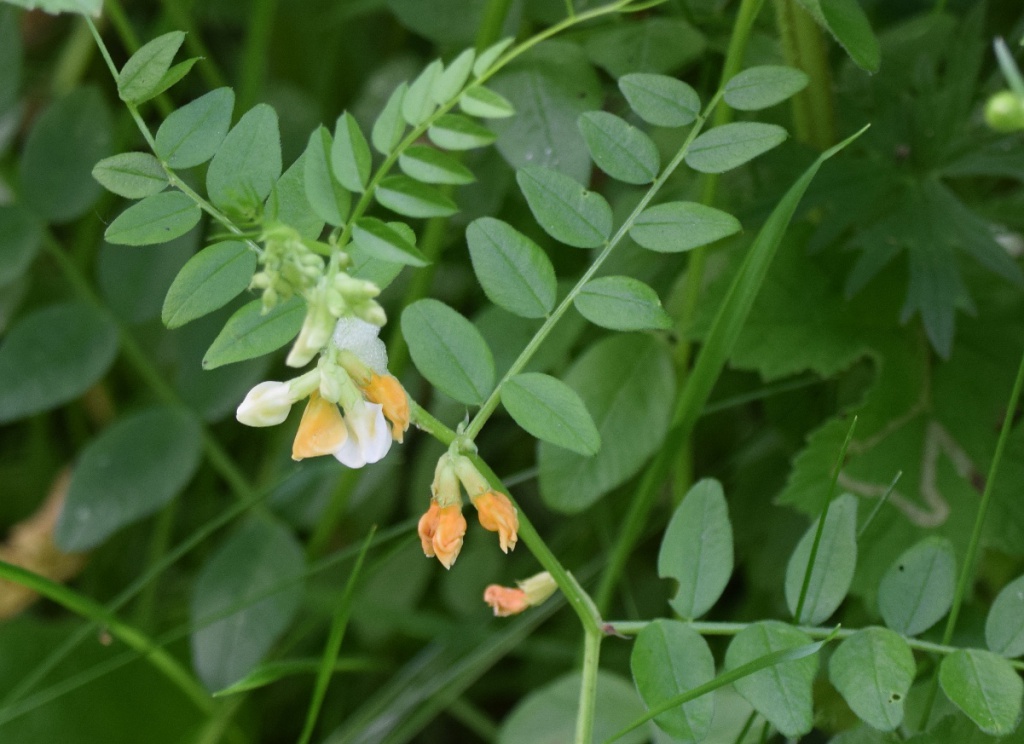
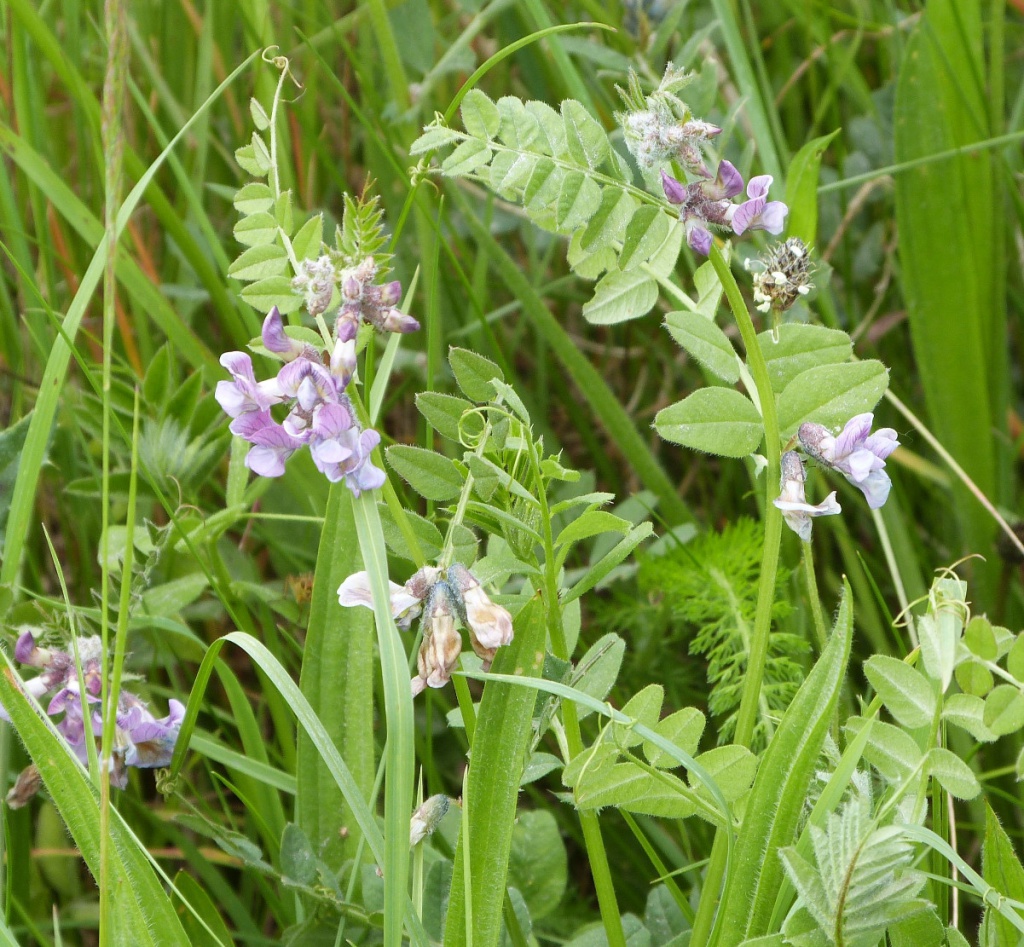
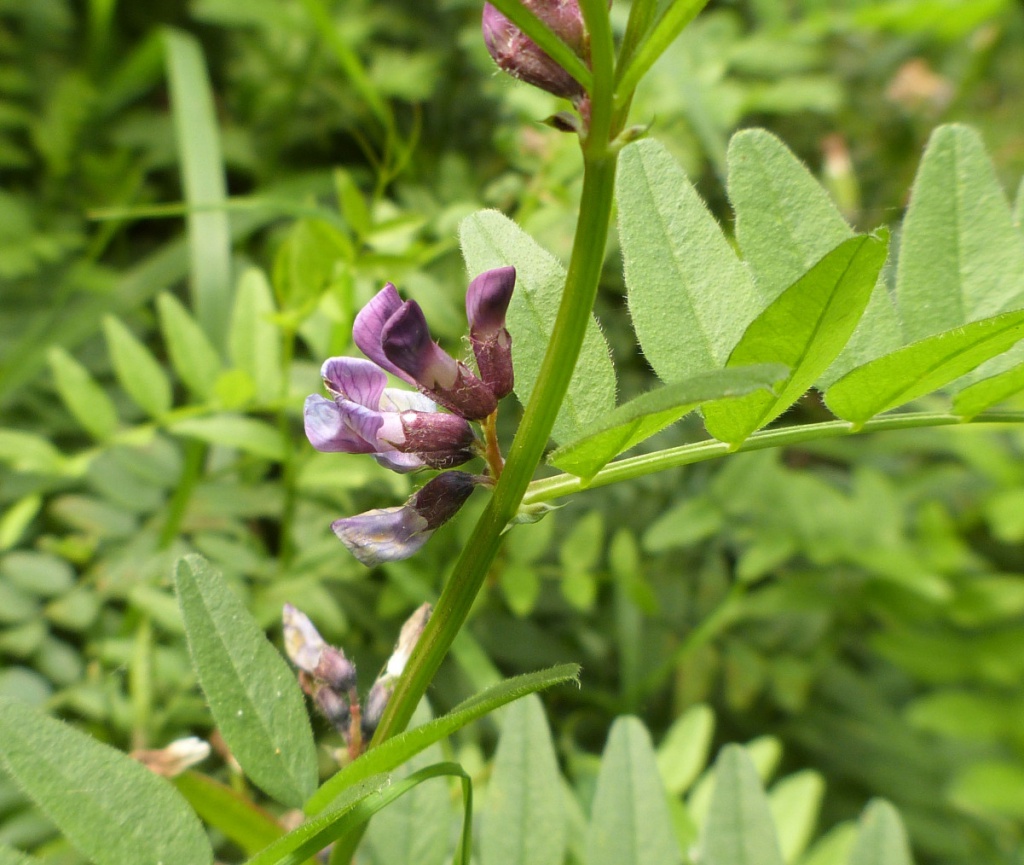
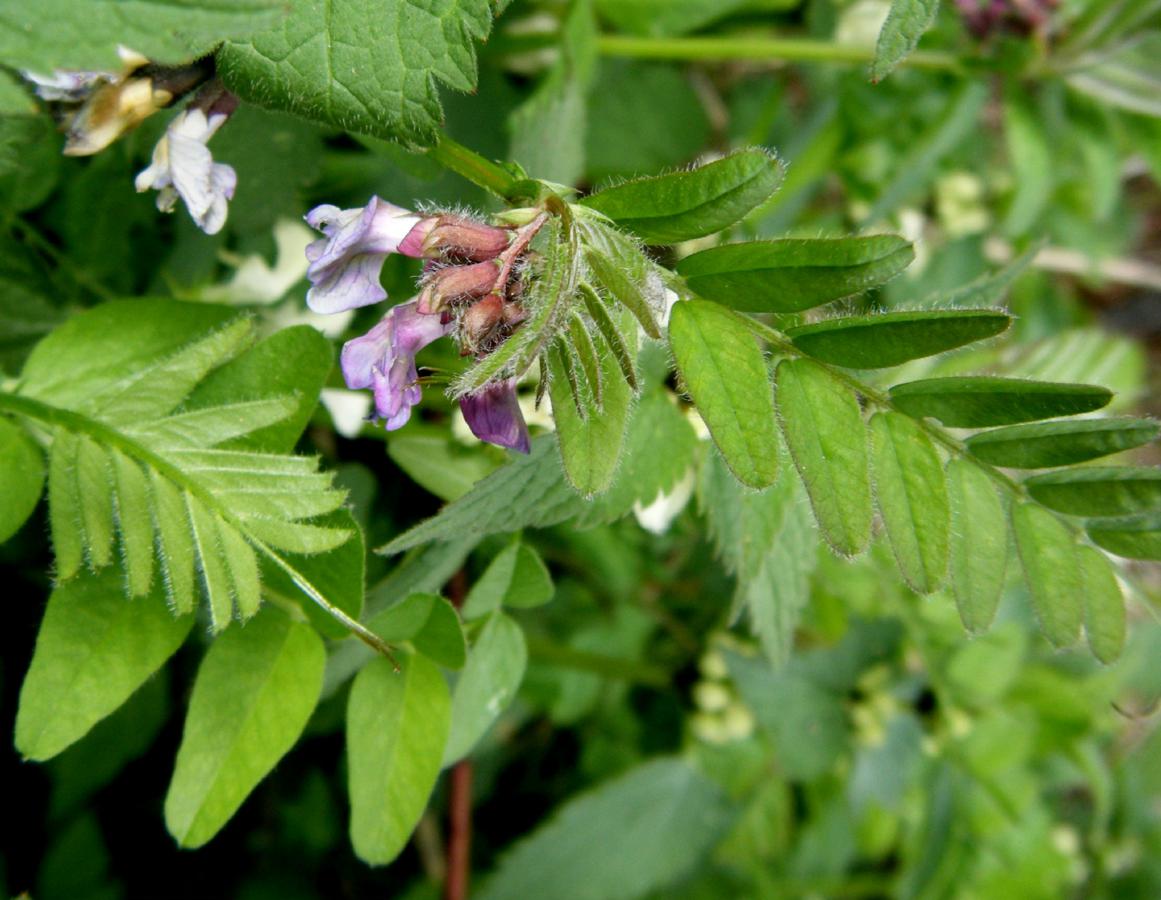
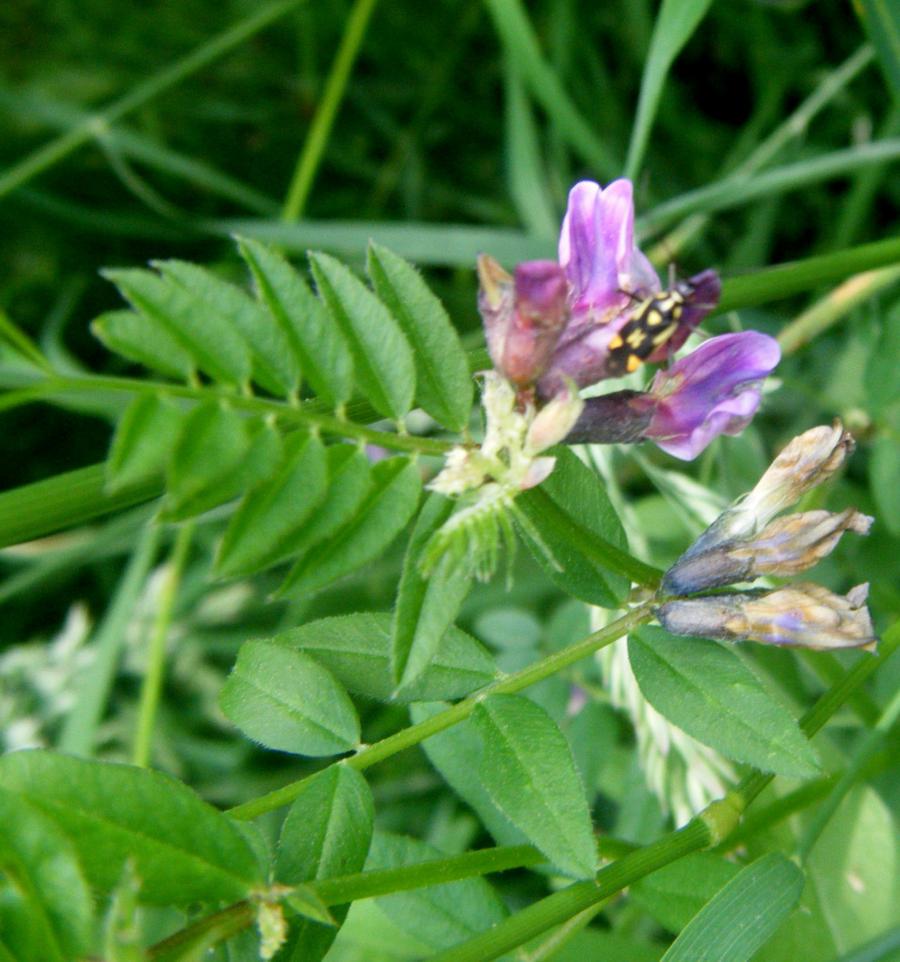
Medium to tall, usually hairy, clambering plant. Leaflets, 3 to 9 pairs, oval to oblong, stipules with a dark spot near to the base. Flowers pink/purple, 12 to 15 mm, in clusters of 2 to 6 with a very short stalk. The lower petals are usually a darker shade of pink than the upper flag petals.
other vetches

Leaflets with blunt tips, and wider towards the base. Calyx teeth unequal, the lower ones longer than the upper, but shorter than the tube
Woodland edges, grassy places, scrub, hedgerows and roadsides.
May to November.
Perennial.
Fairly common in most of Britain except some eastern areas.
Common in Leicestershire and Rutland. In the 1979 Flora survey of Leicestershire it was found in 374 of the 617 tetrads.
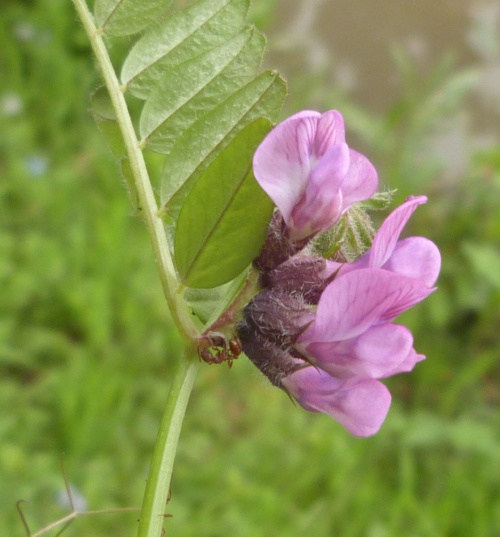 Graham Calow
Wykin Canal Towpath
25 May 2015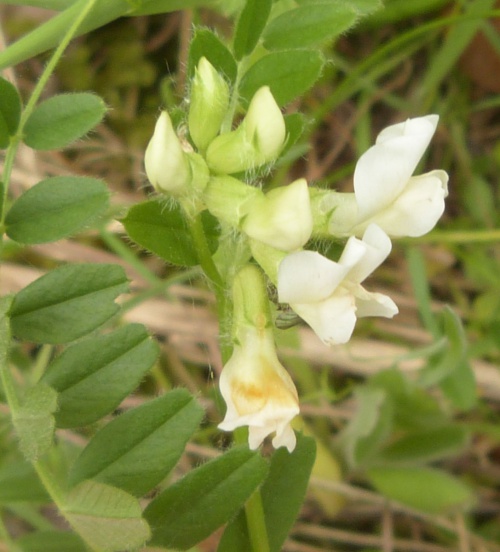 Graham Calow
Holwell Reserve Mineral Line Footpath
11 May 2017
var. ochroleuca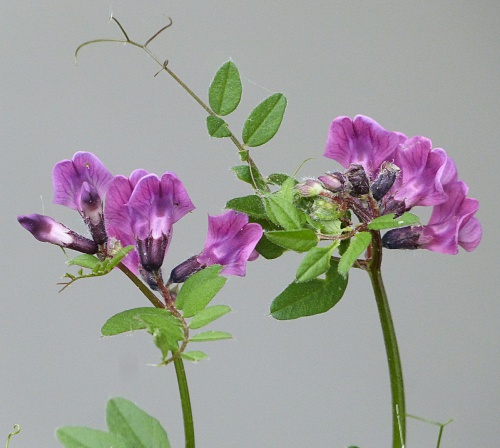 Graham Calow
Wykin Canal Towpath
26 June 2015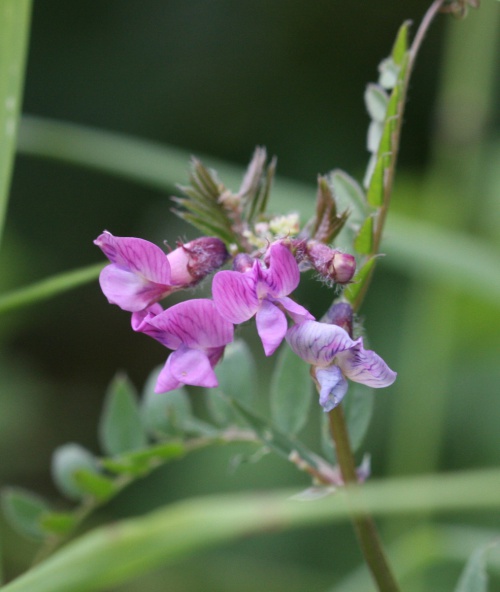 David Nicholls
Bagworth Heath
28 June 2014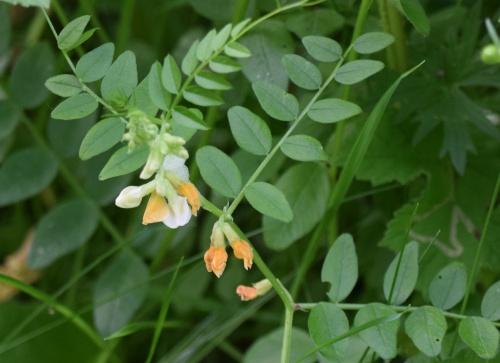 Steve Mathers
Holwell Mineral Line
04 June 2017
var ochroleuca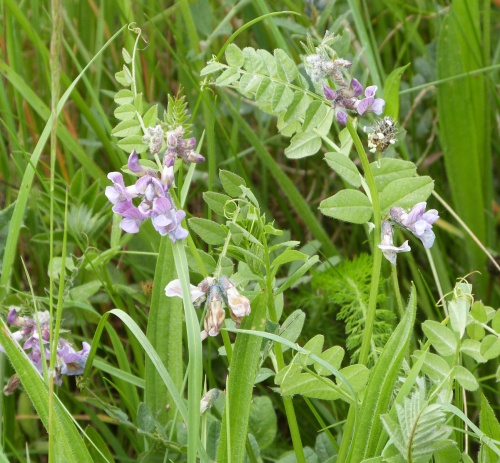 Graham Calow
Wood Road, near Nailstone
24 May 2016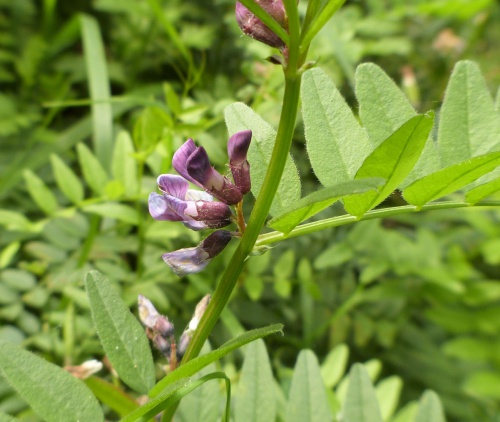 Graham Calow
Jubilee Walk Leire
27 September 2013
Leicestershire & Rutland Map
Enter a town or village to see local records
MAP KEY:
Yellow squares = NBN records (all known data)
Coloured circles = NatureSpot records: 2025+ | 2020-2024 | pre-2020
UK Map
Species profile
- Common names
- Bush Vetch
- Species group:
- flowering plant
- Kingdom:
- Plantae
- Order:
- Fabales
- Family:
- Fabaceae
- Records on NatureSpot:
- 196
- First record:
- 01/01/2007 (Harry Ball)
- Last record:
- 20/04/2026 (Pochin, Christine)
Total records by month
% of records within its species group
10km squares with records
The latest images and records displayed below include those awaiting verification checks so we cannot guarantee that every identification is correct. Once accepted, the record displays a green tick.
In the Latest Records section, click on the header to sort A-Z, and again to sort Z-A. Use the header boxes to filter the list.
Latest images
Latest records
 Graham Calow
Jubilee Walk, Leire
10 August 2011 David Nicholls
Bagworth Heath
28 June 2014 Jubilee Walk Leire (taken 26.4.2009),.JPG) Graham Calow
Graham Calow
Leire, Jubilee Walk (Disused Railway)
26 April 2009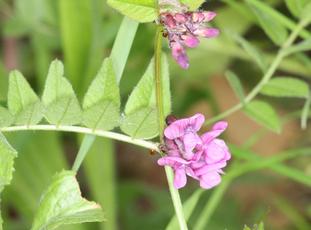 David Nicholls
Tilton Cutting NR
23 May 2009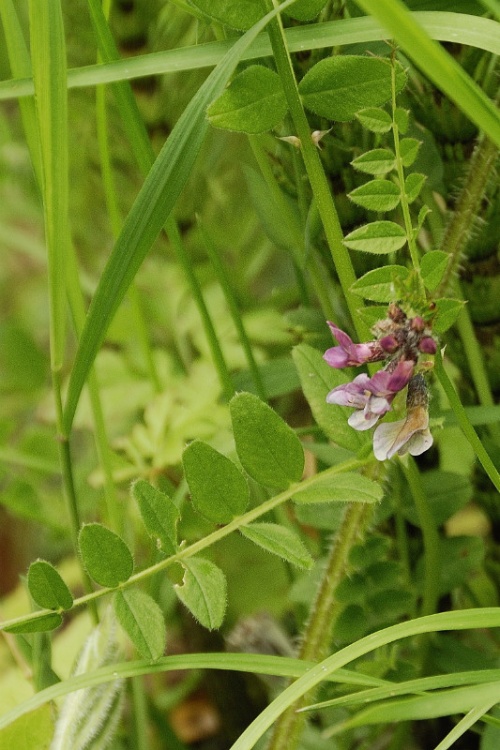 Barbara Cooper
Holwell Nature Reserve
17 May 2012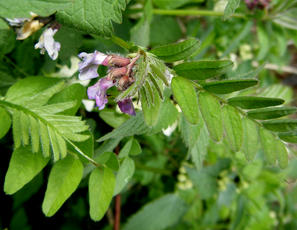 Graham Calow
Burbage Common and Woods
13 April 2011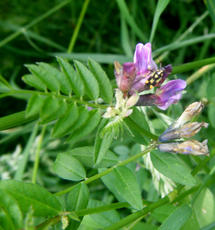 Graham Calow
Ellistown
27 June 2011
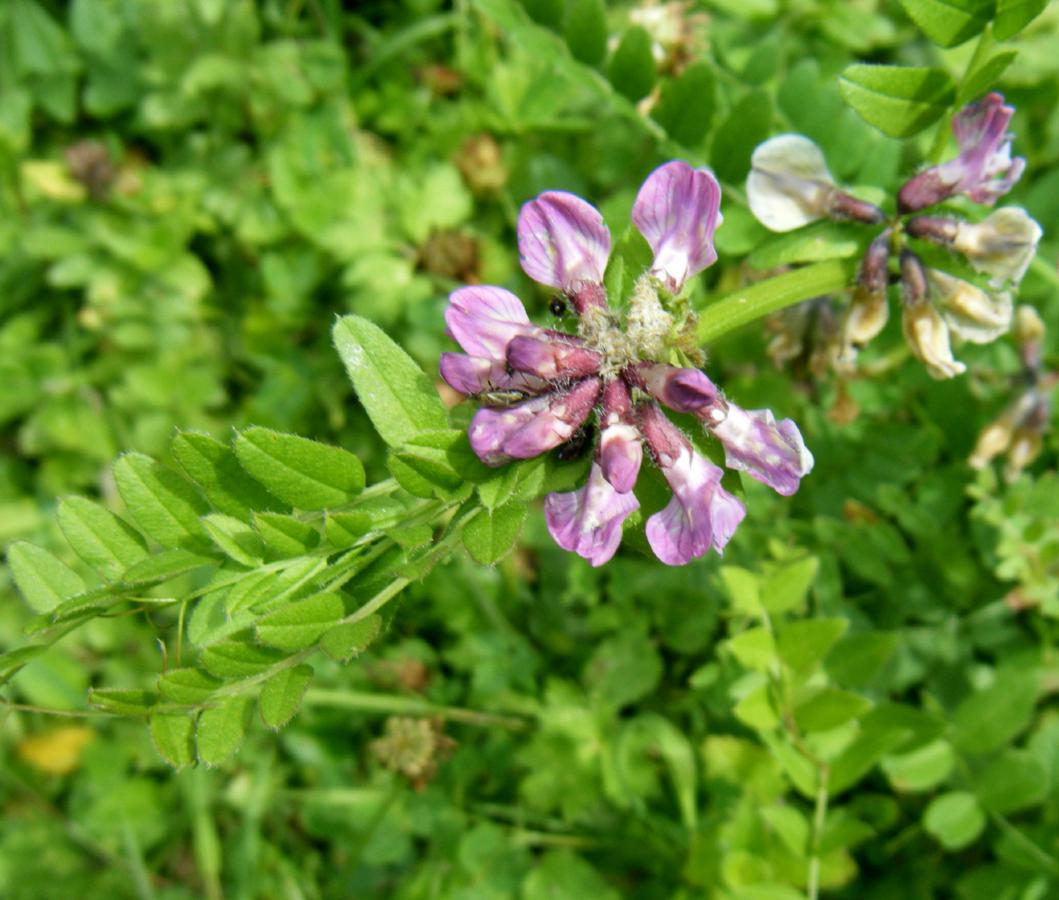
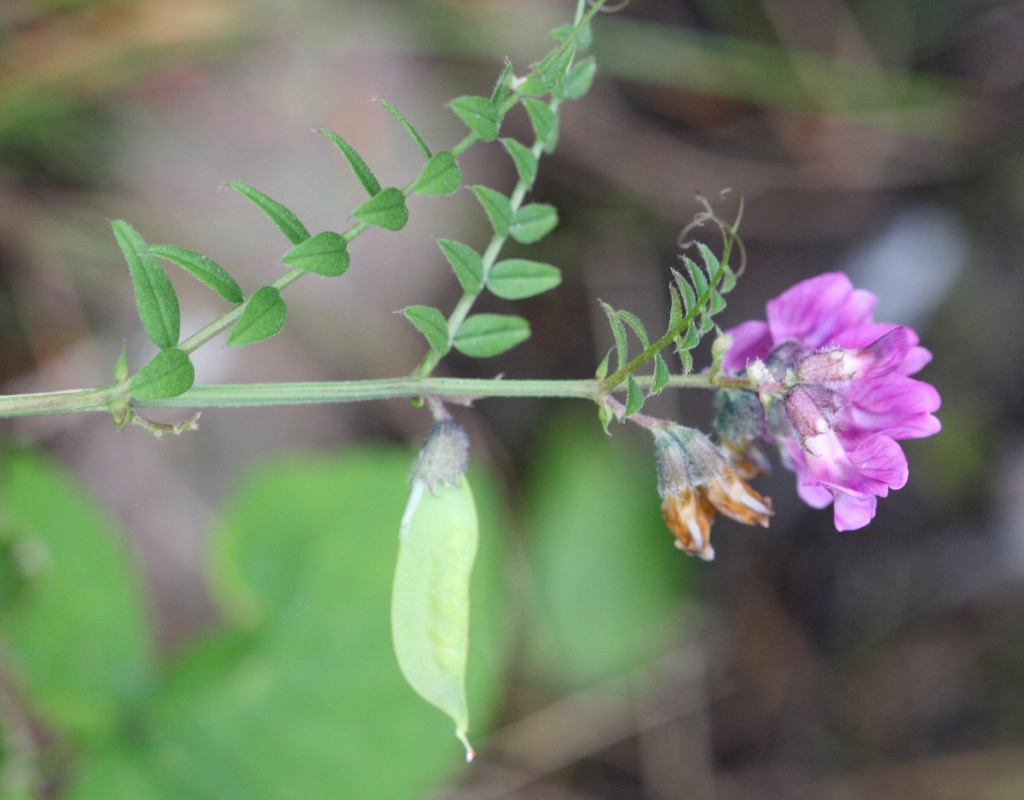
 Jubilee Walk Leire (taken 26.4.2009),.JPG)
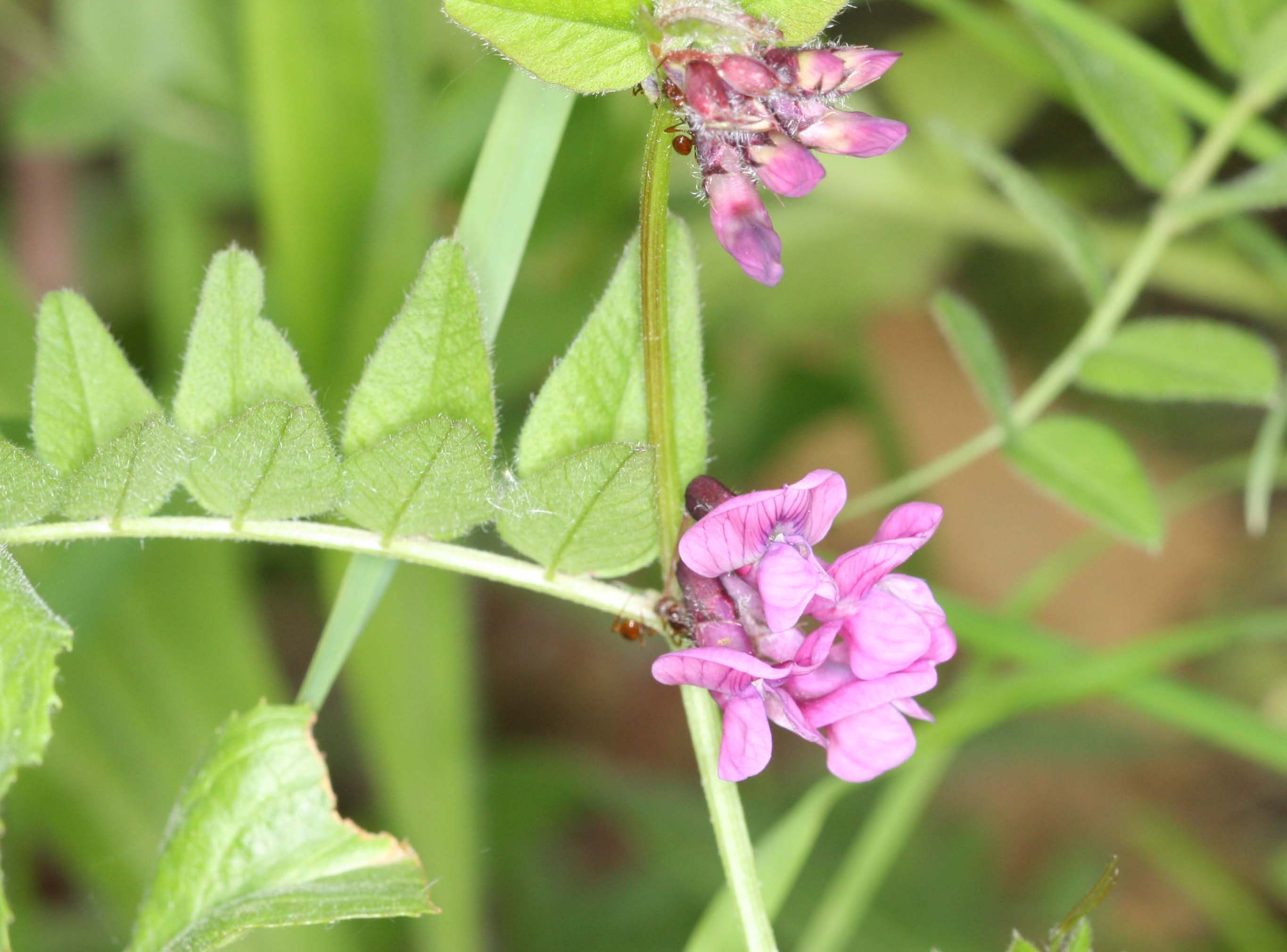
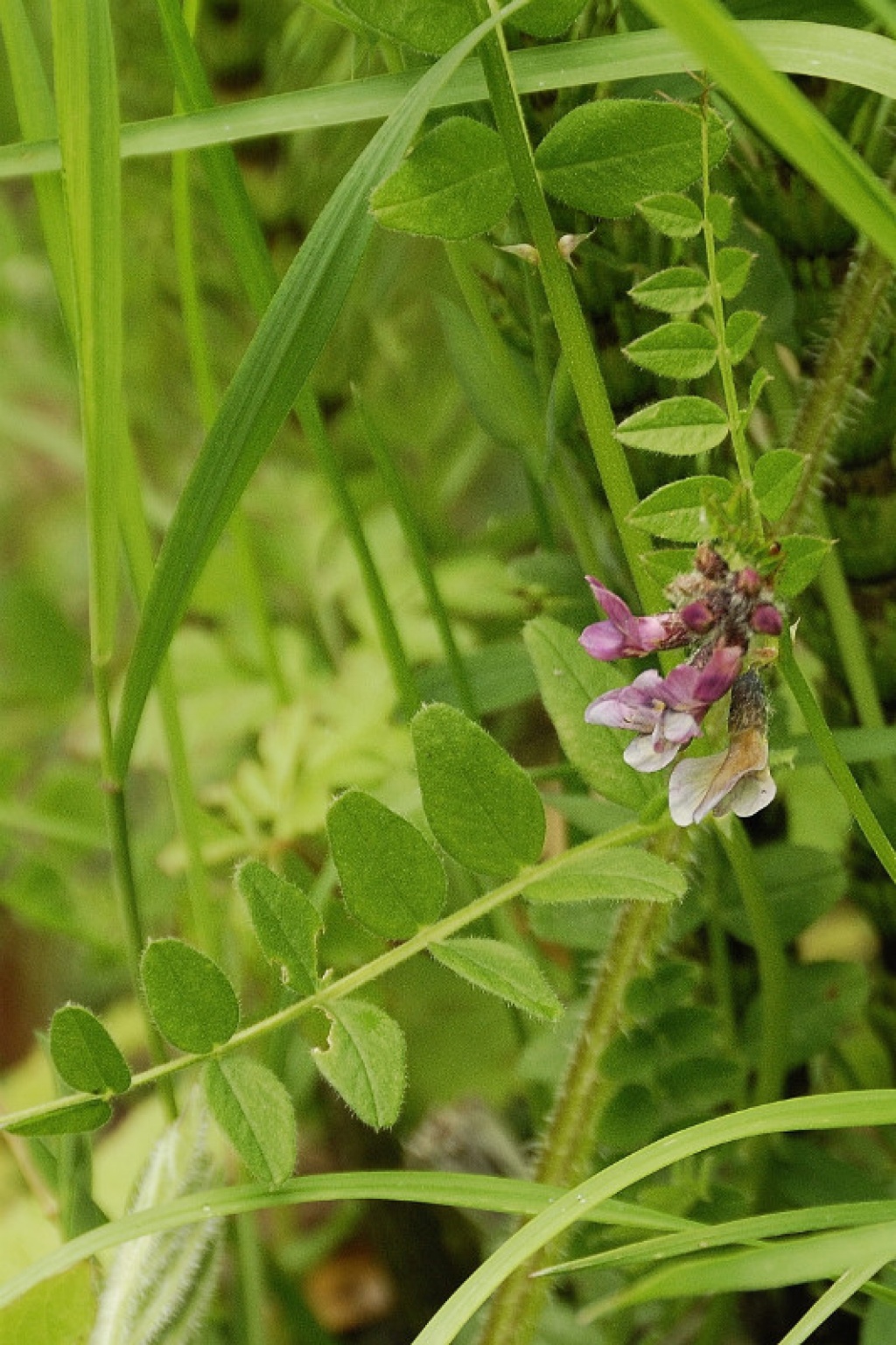
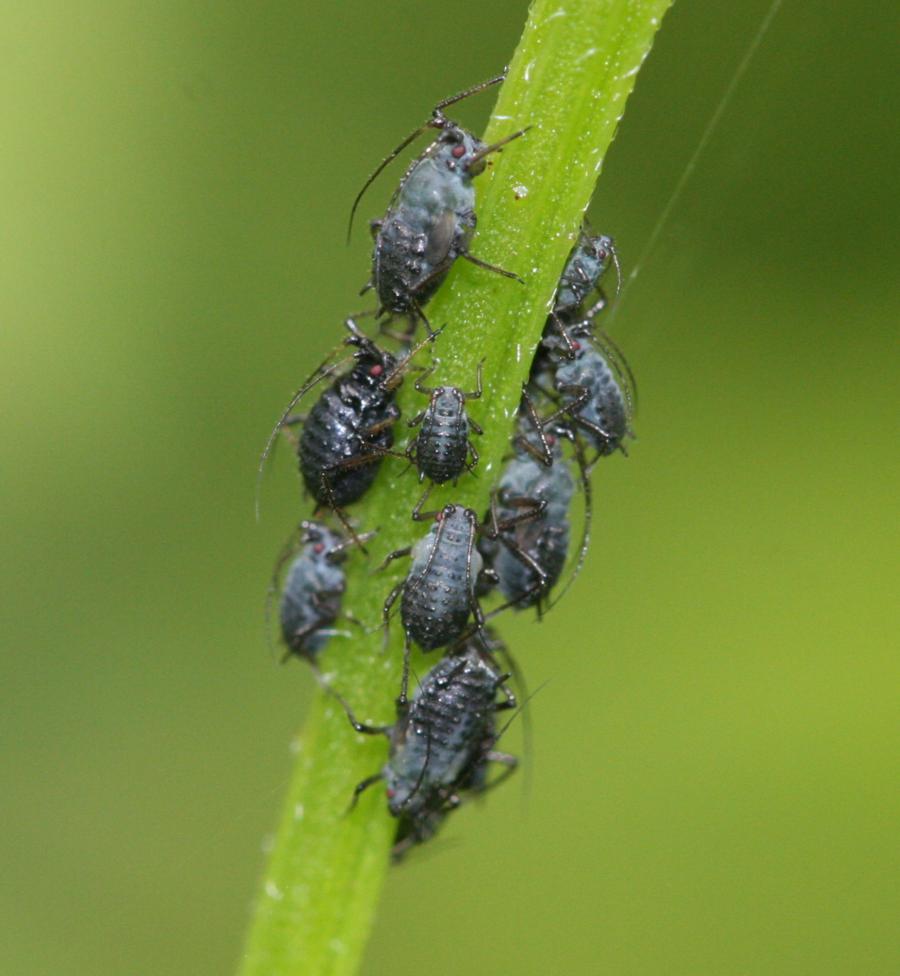
Megourella tribulis
The aphid Megourella tribulis is usually associated with vetch plants. This small aphid is mainly black with a blue-grey bloom on part of its body
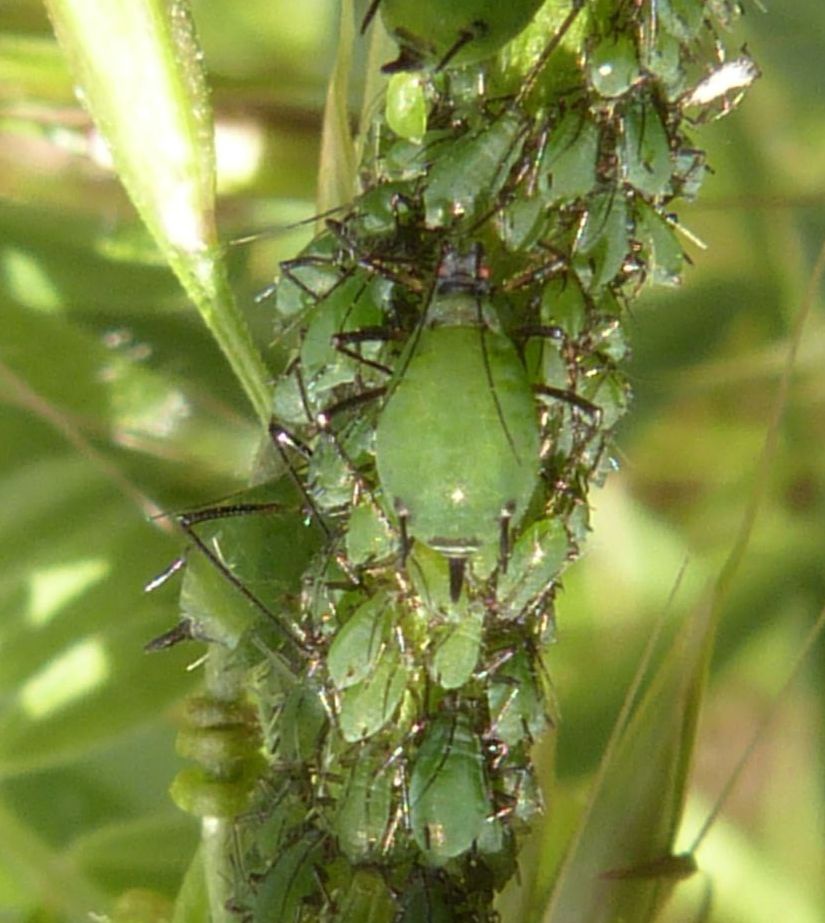
Vetch Aphid
The Vetch Aphid (Megoura viciae) feeds on various species of vetch. The leaves at the tip of the shoot become crumpled and may be true galls. It is a large shiny green globular bodied aphid with black head, legs and antennae. It also has startling red eyes.
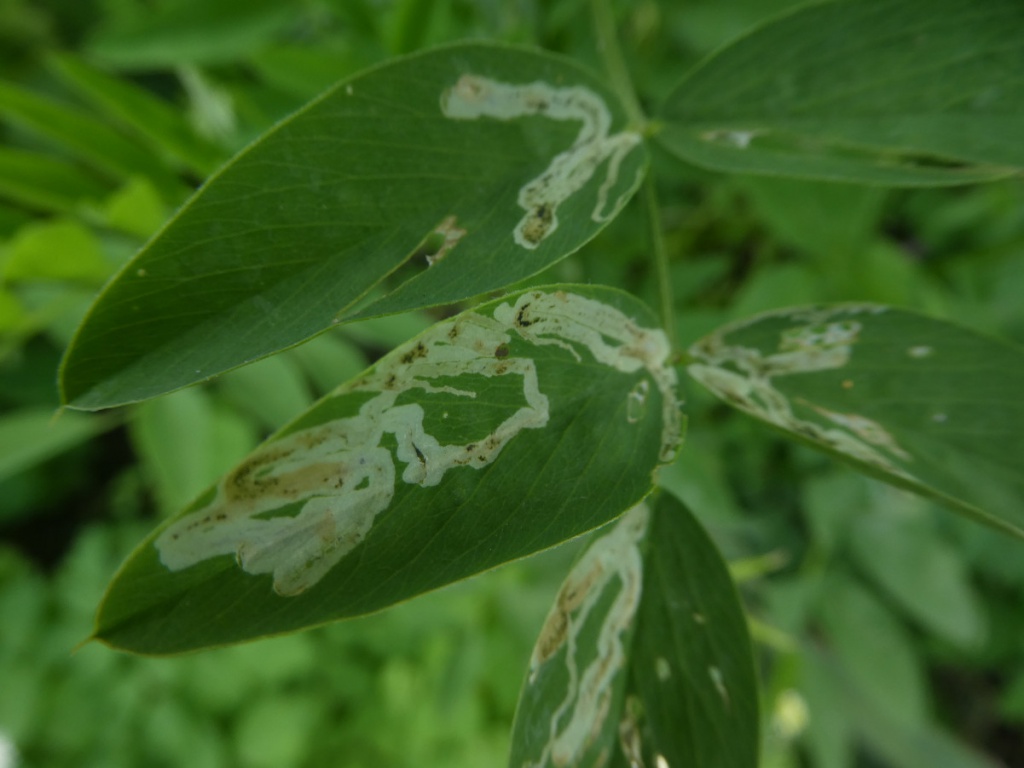
Liriomyza congesta
The larva of the Agromyzid fly Liriomyza congesta mines the leaves of various Legumes such as Peas, Medicks, Lucernes and Vetches. The mine is on the upper surface of the leaf and the frass shows in a green strips.
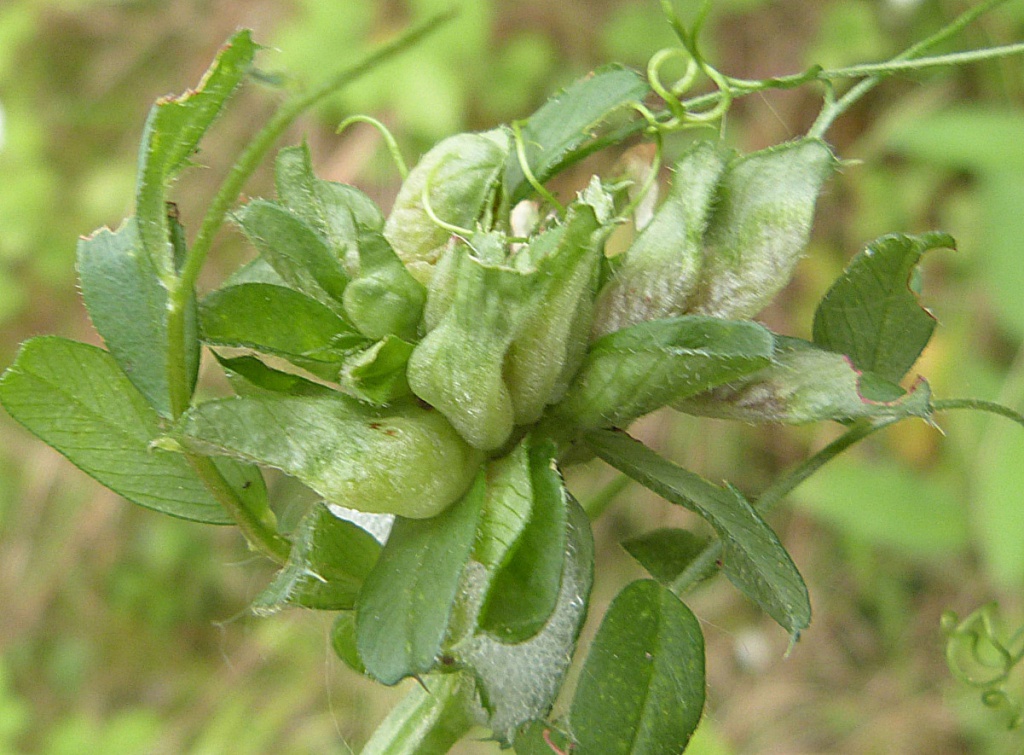
Dasineura viciae
The larvae of the midge Dasineura viciae cause galls to form on Common Vetch (Vicia sativa) and Bush Vetch (Vicia sepium) The leaflets swell to form pod like galls which may form dense clusters ranging in colour from green to red. The swollen areas contain small larvae which are pale orange or pale lemon in colour.