

Foxglove - Digitalis purpurea
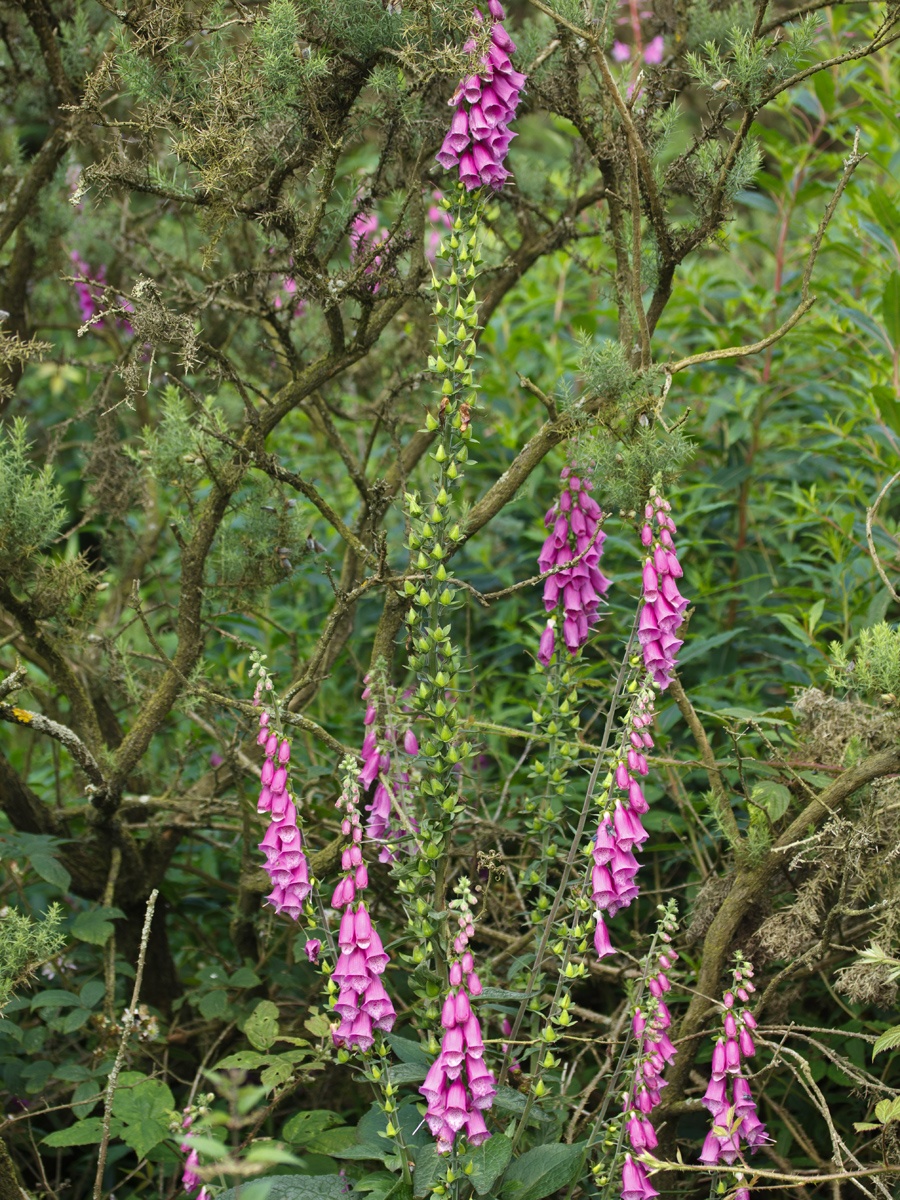
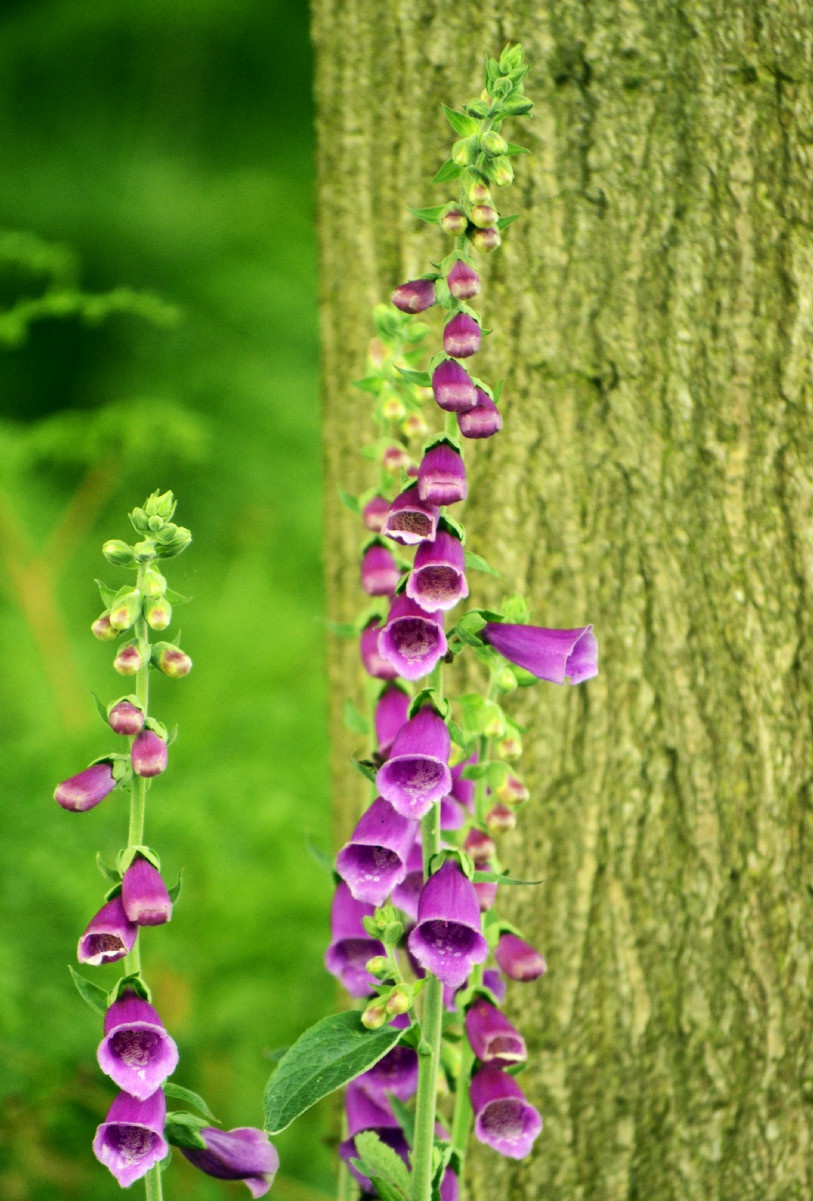
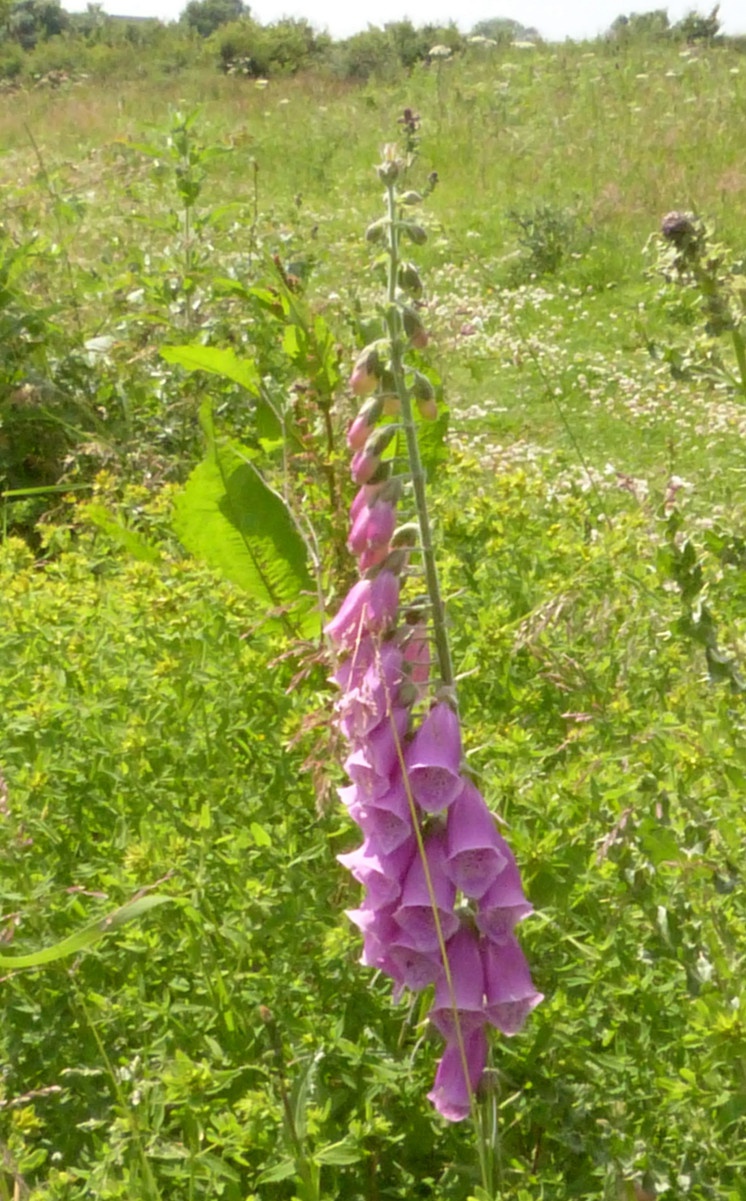
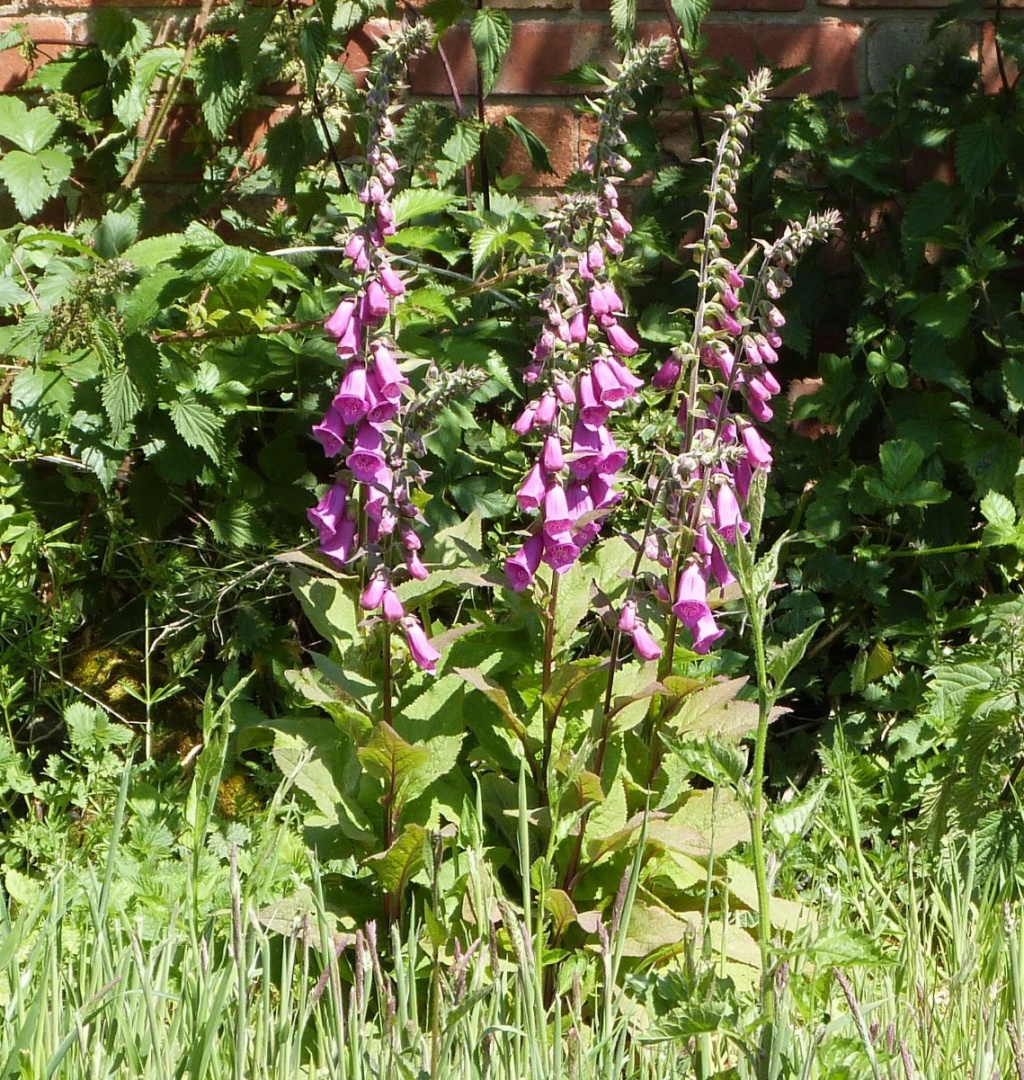
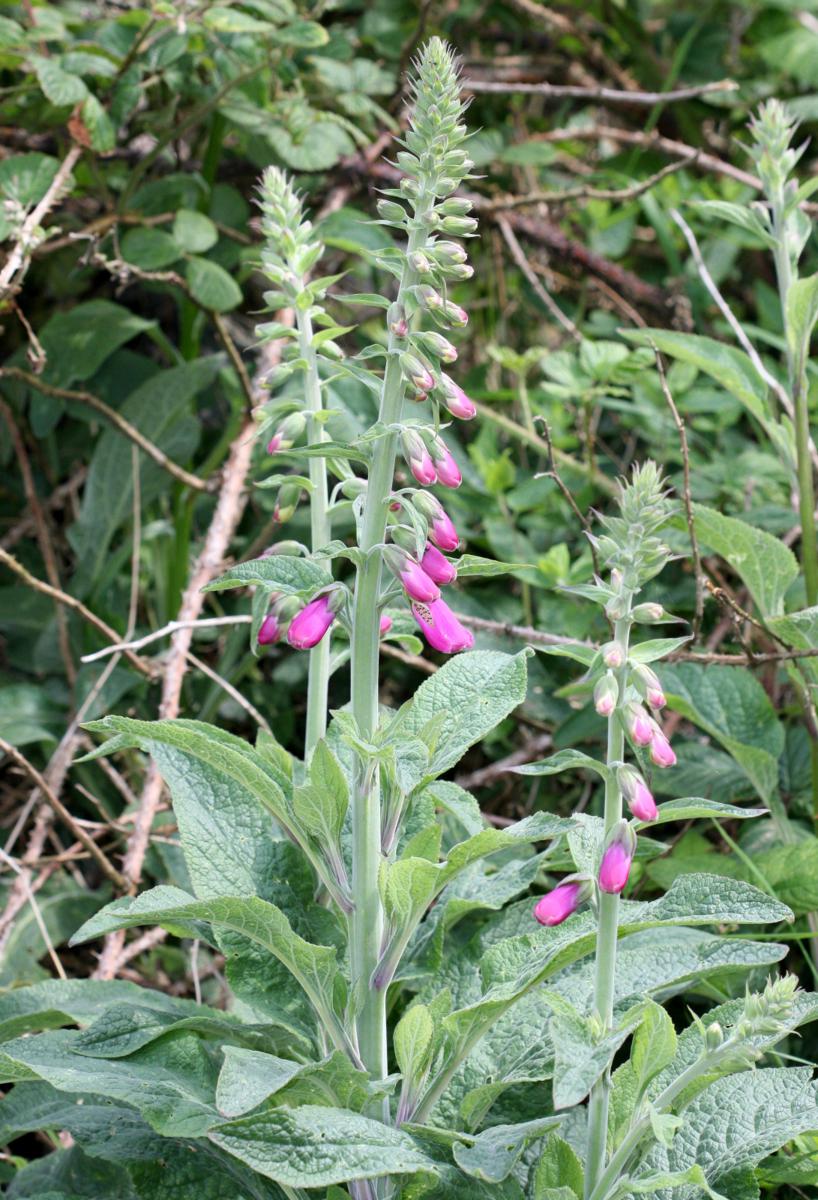
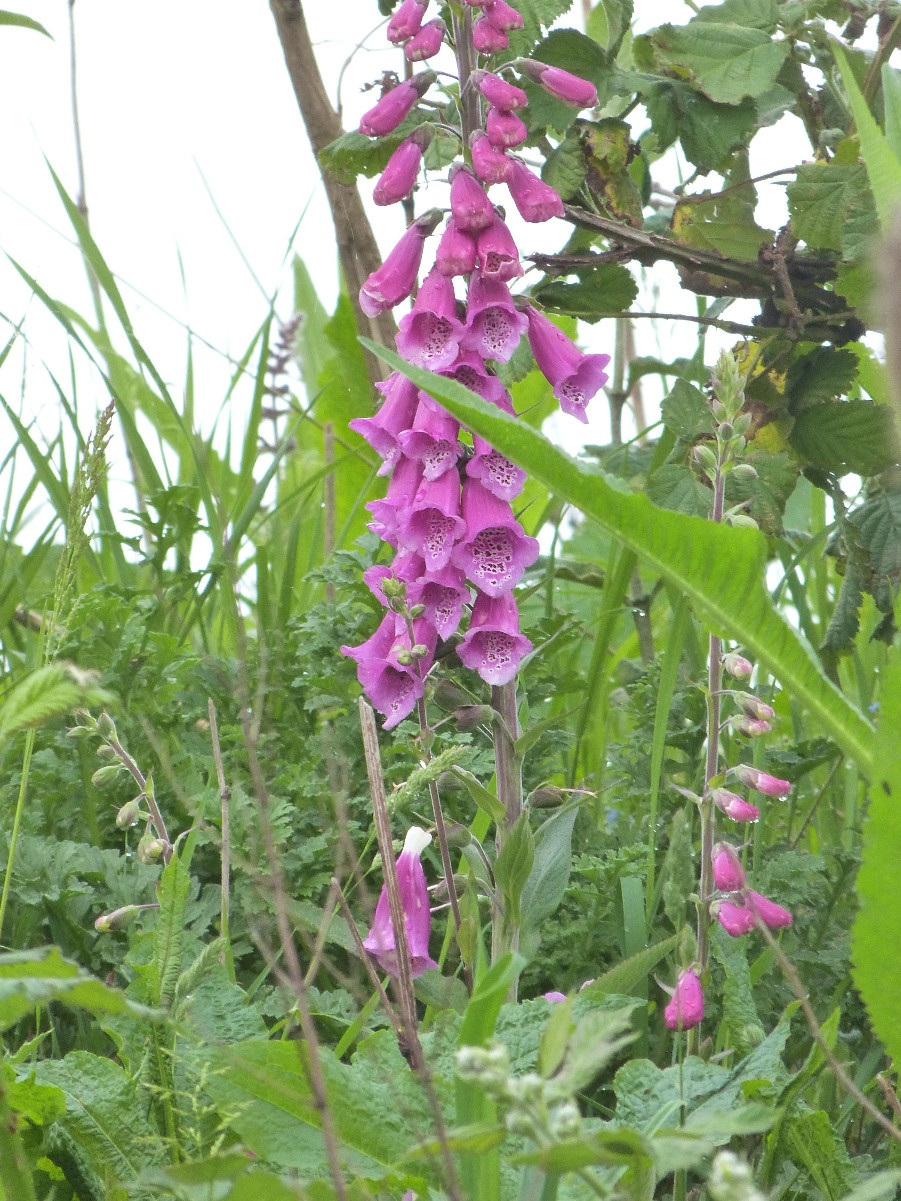
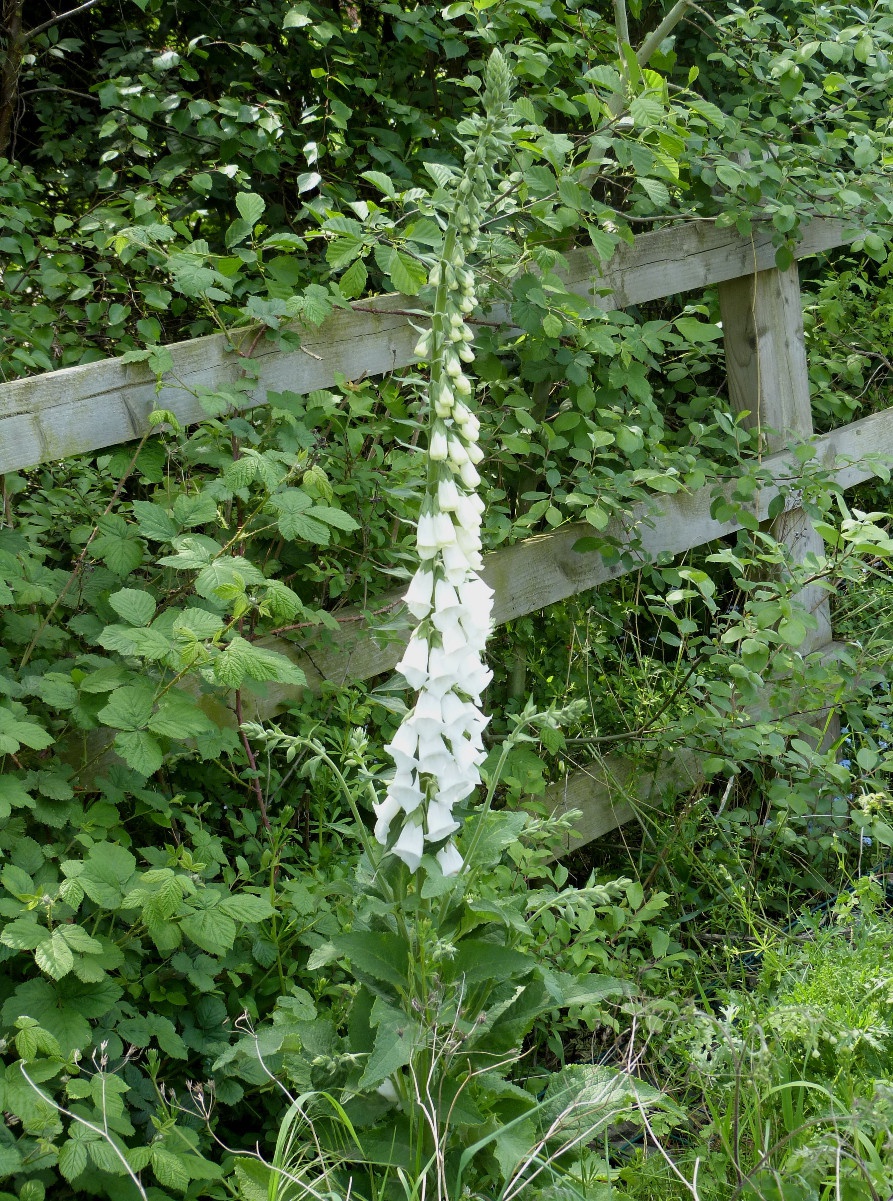
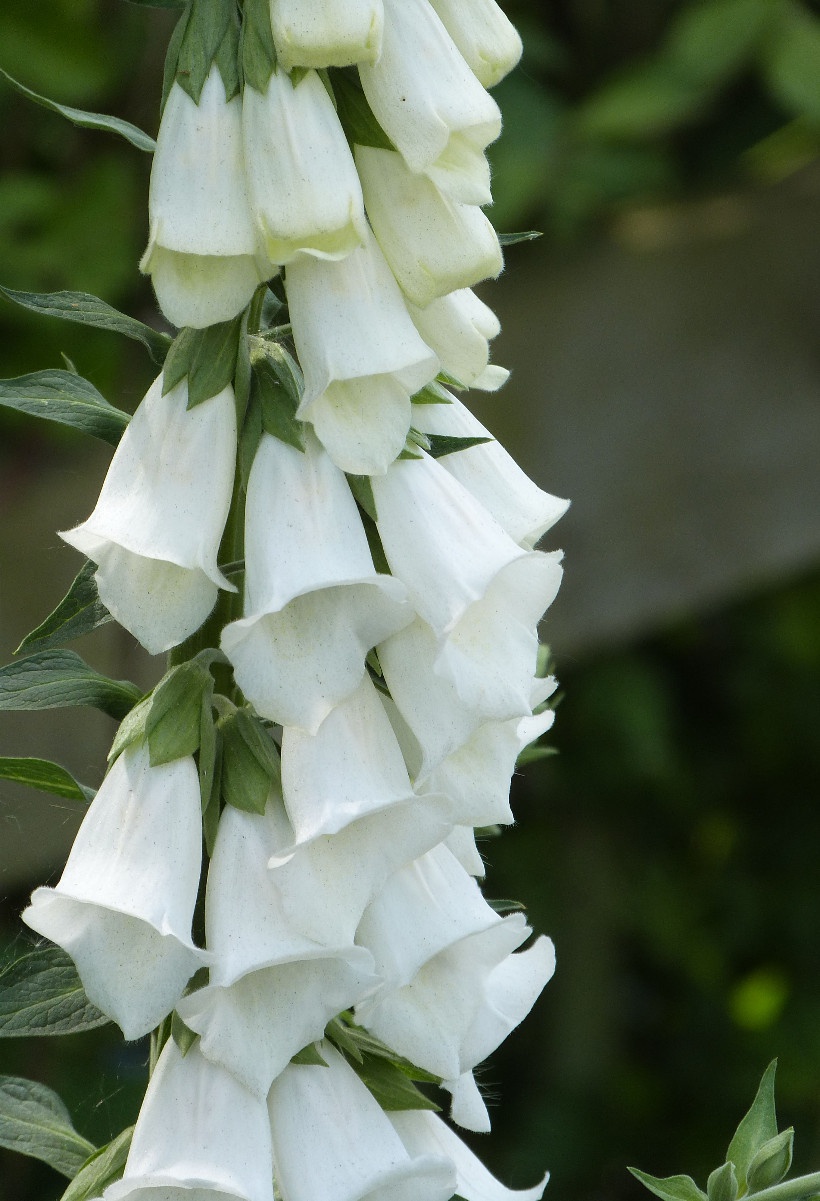
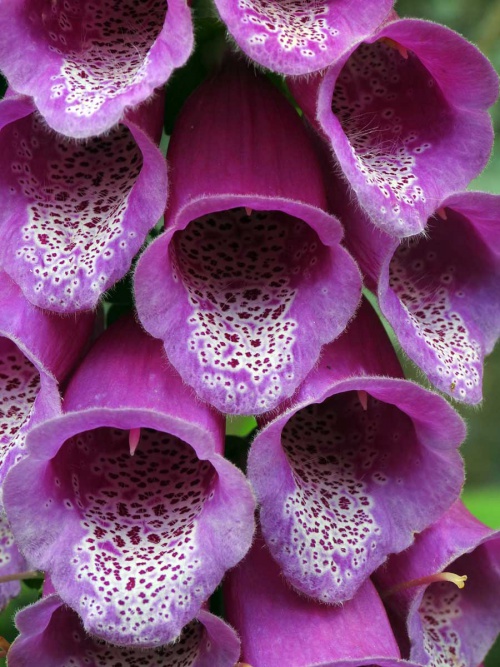
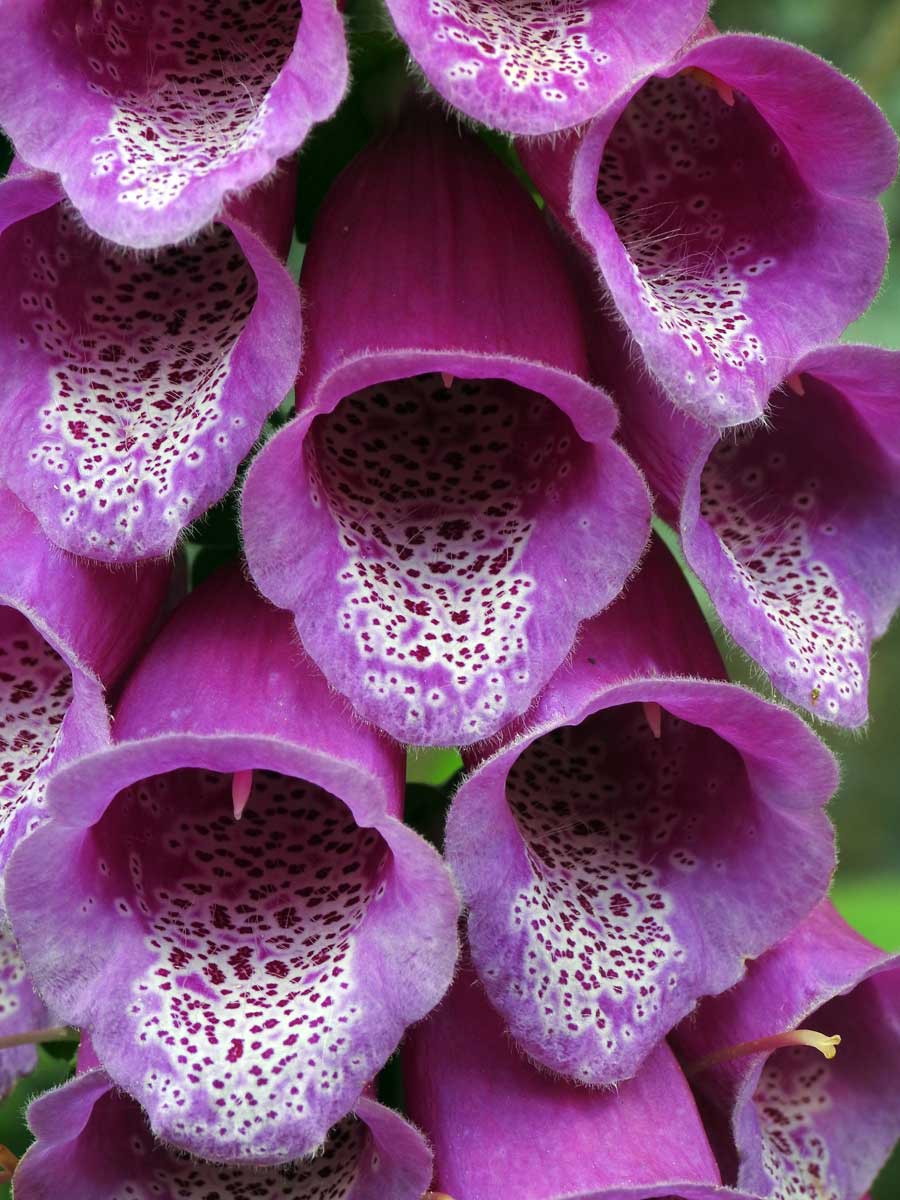
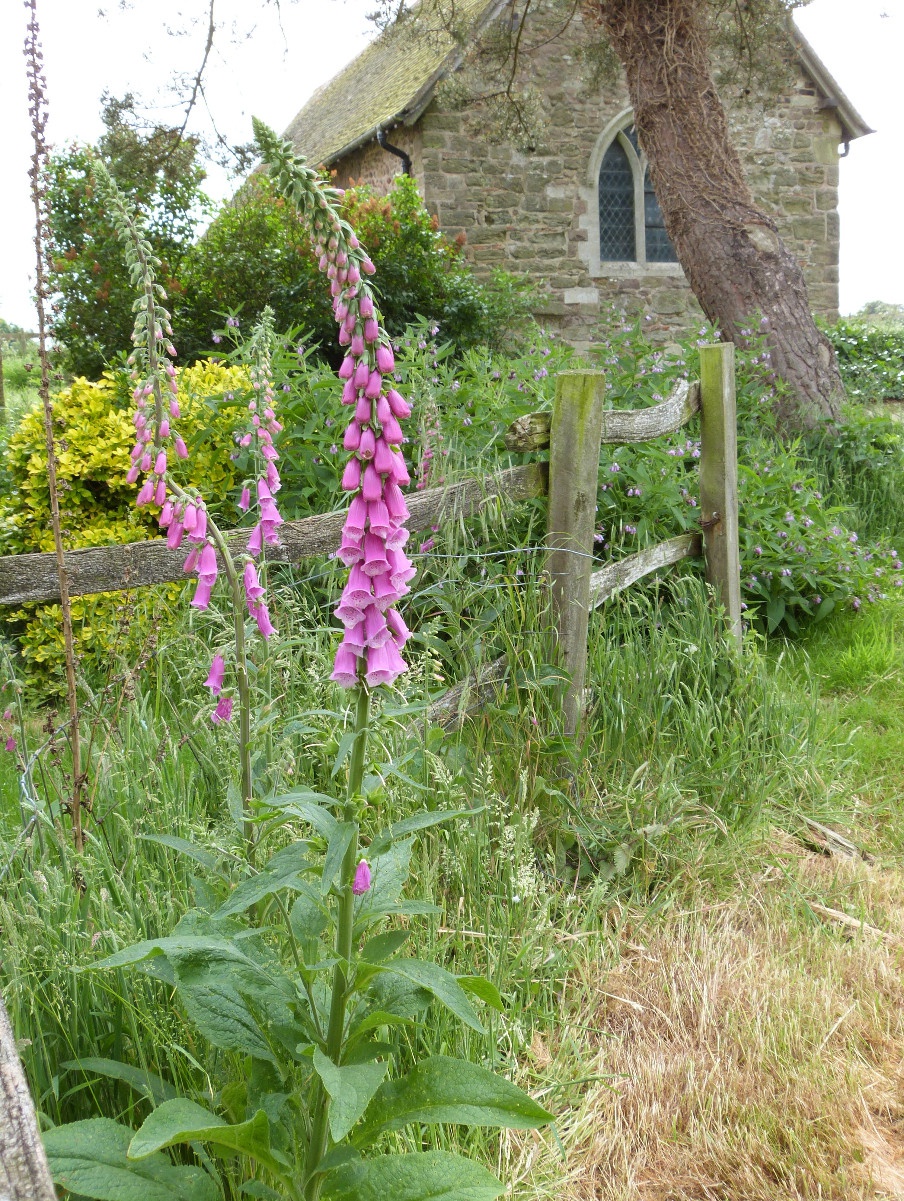
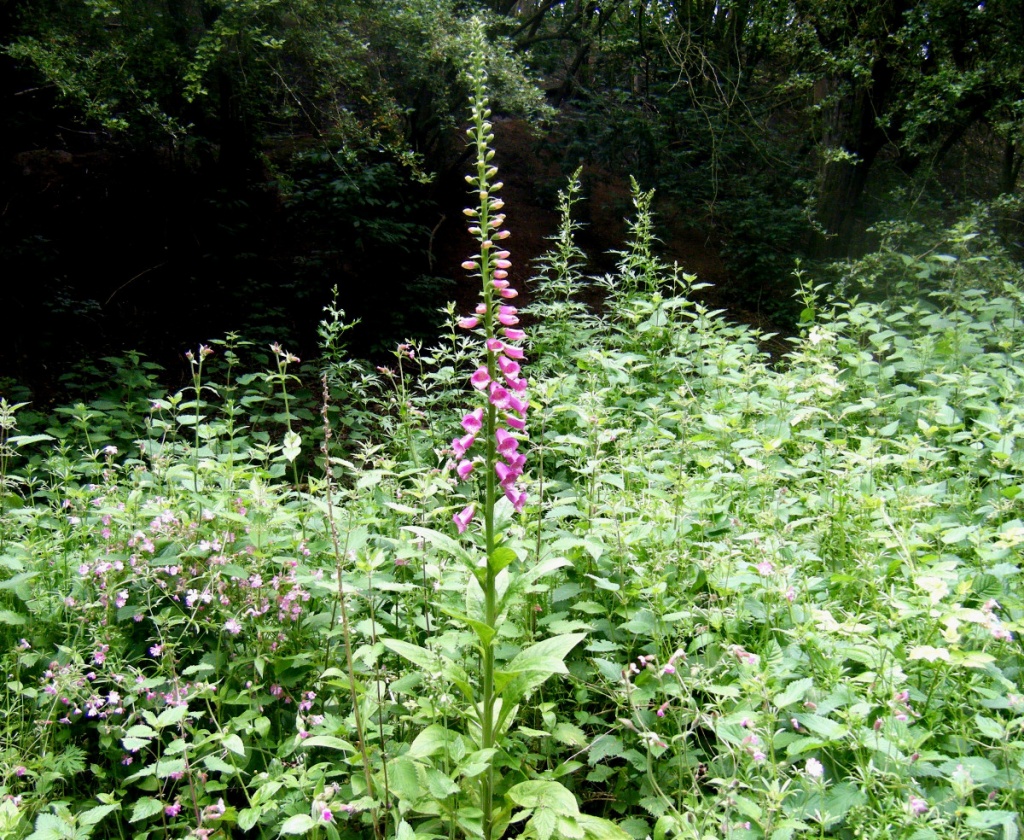
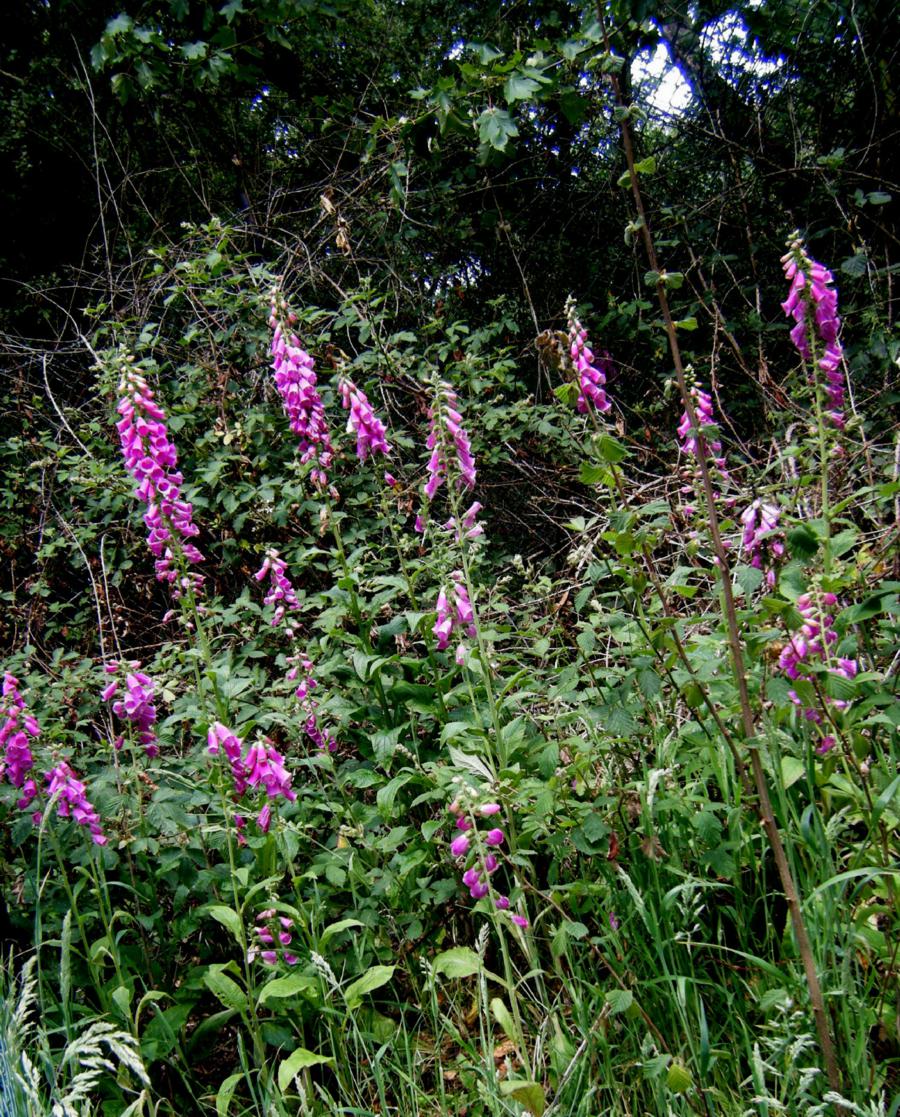
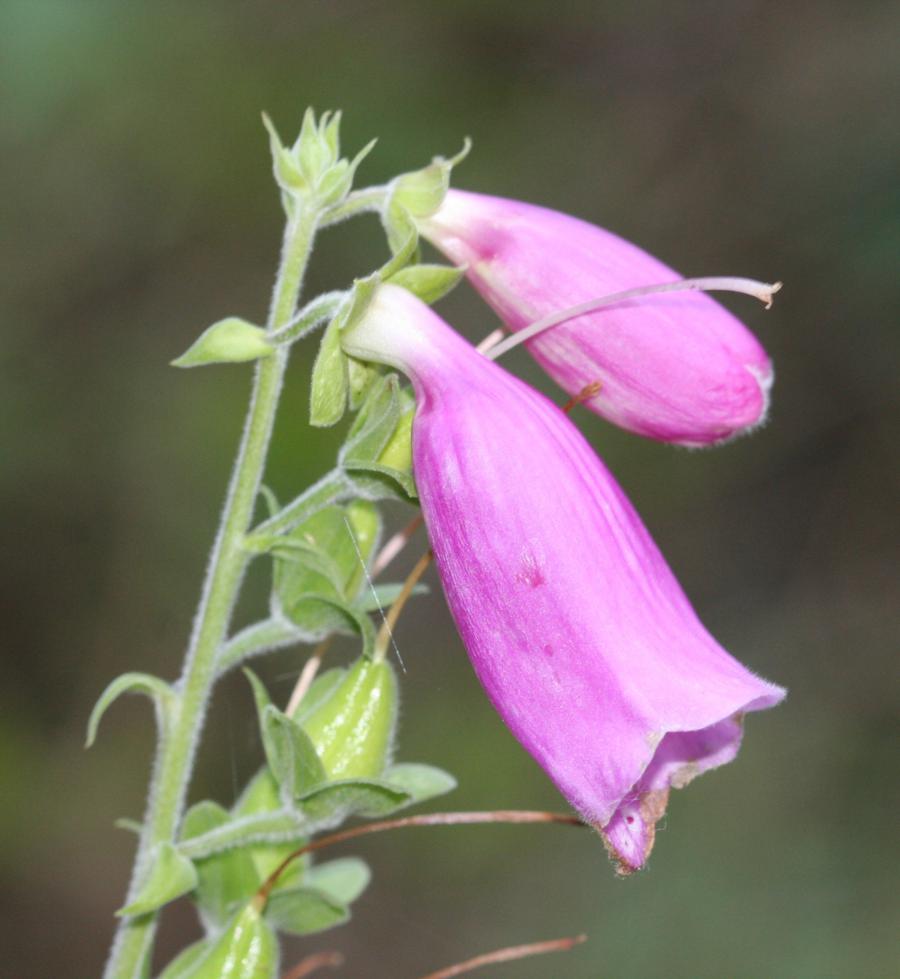
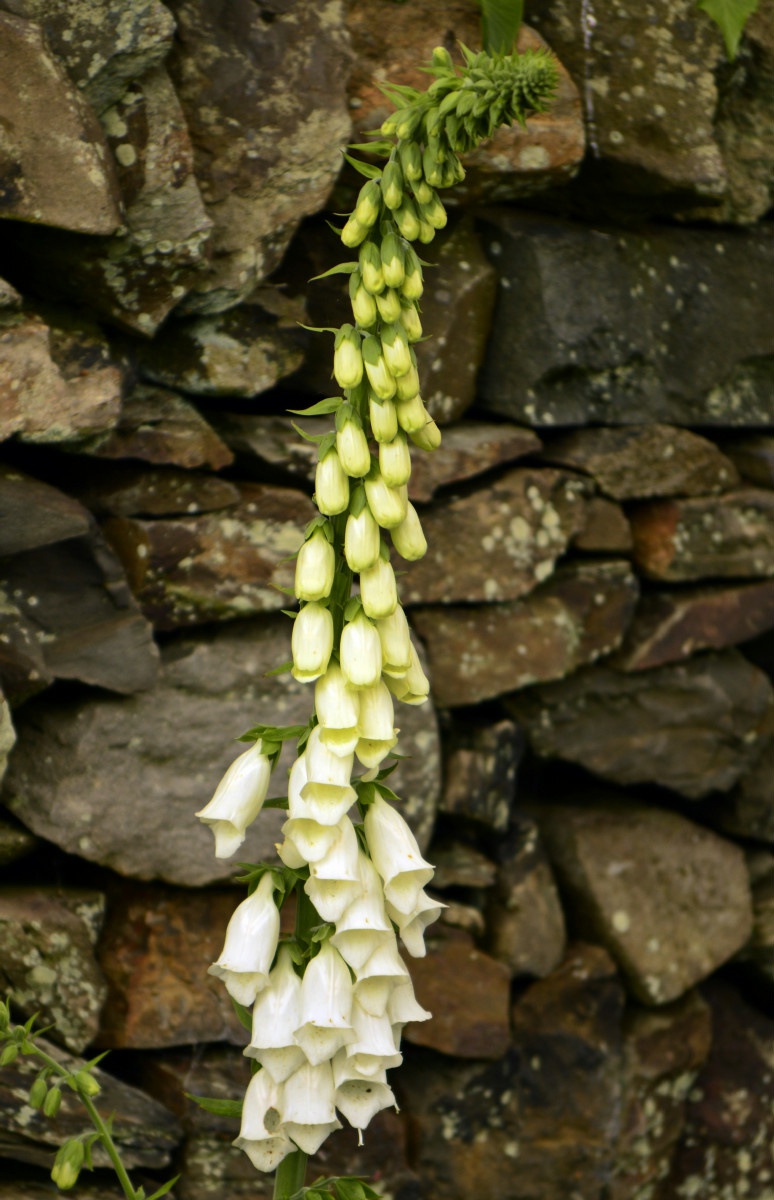
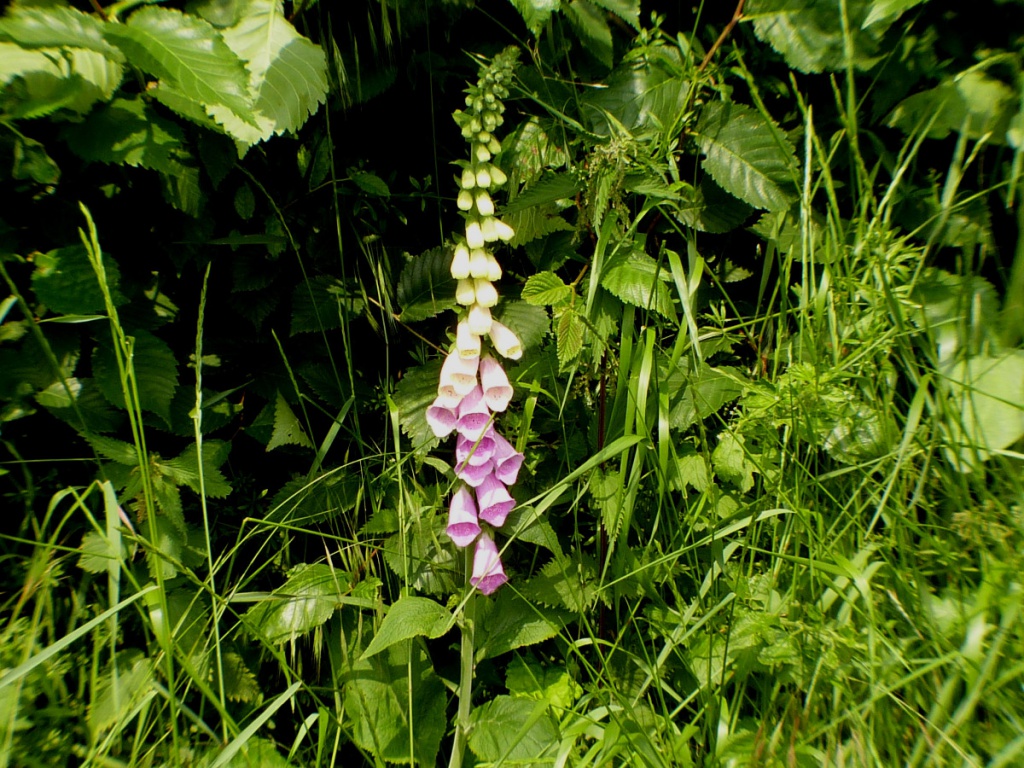
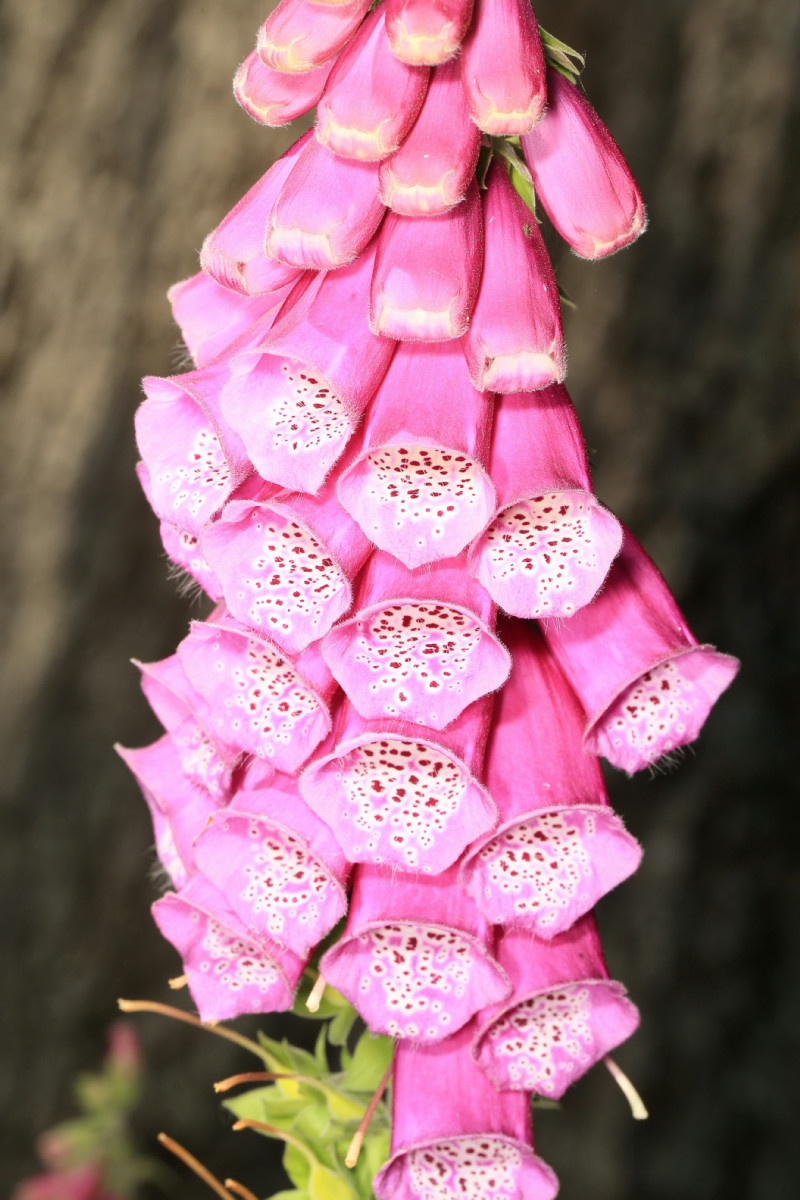
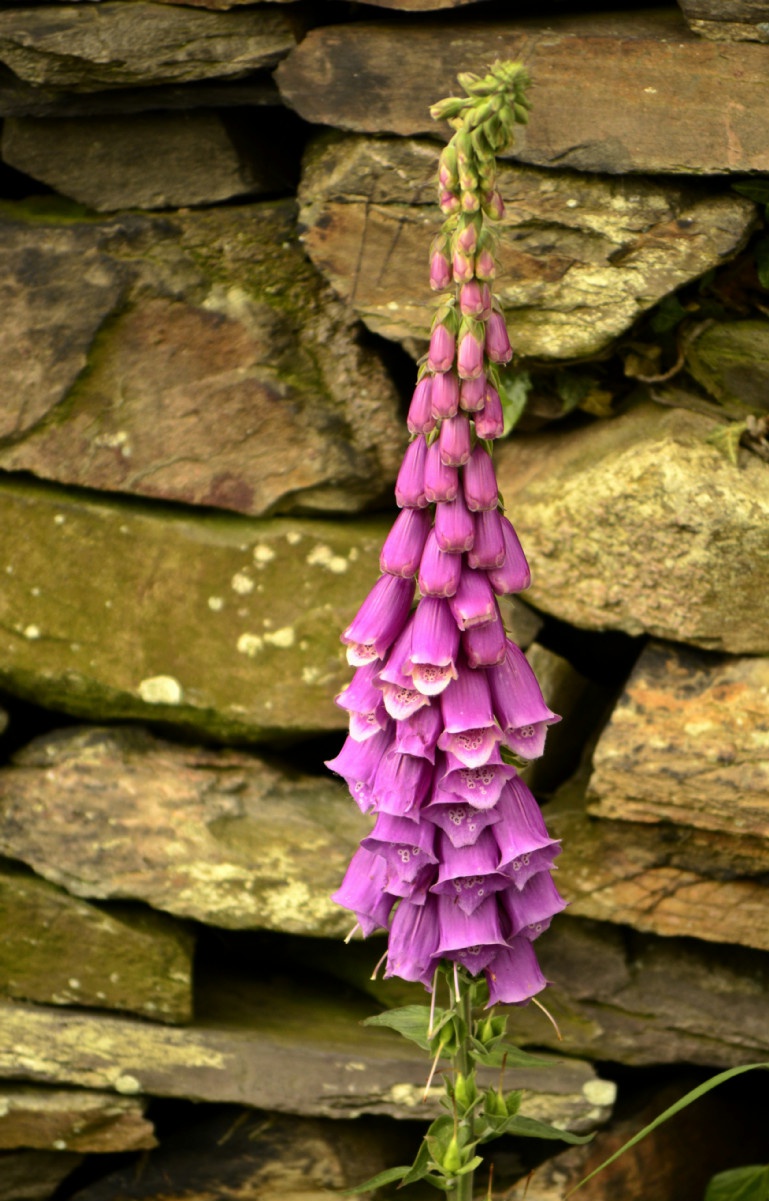
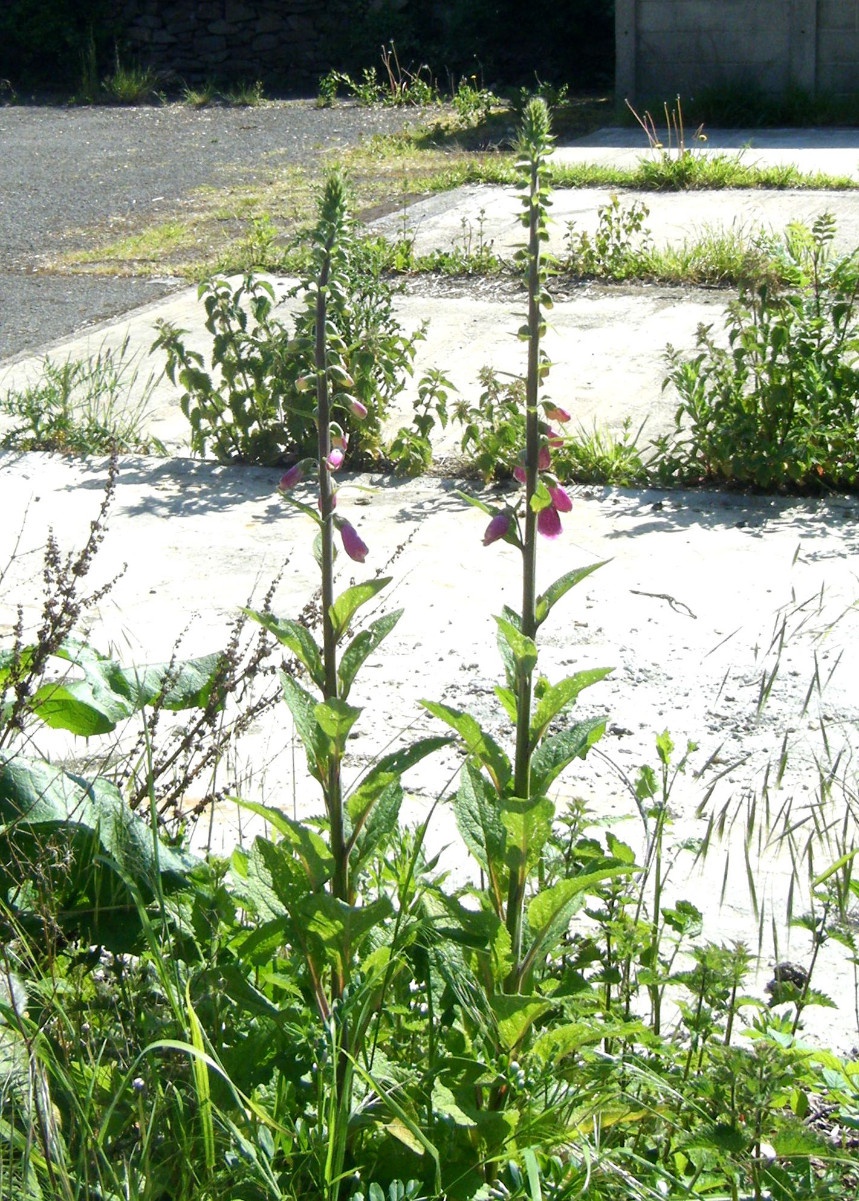
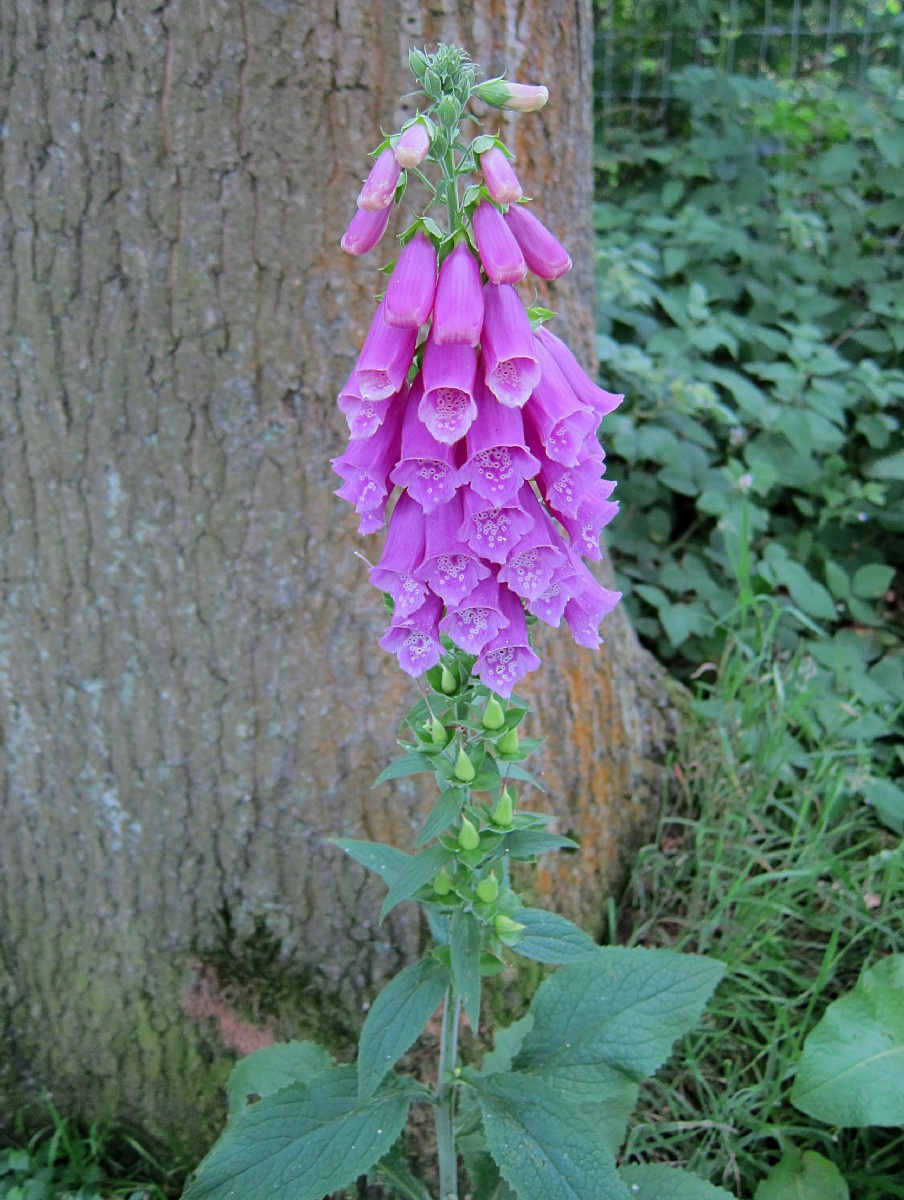
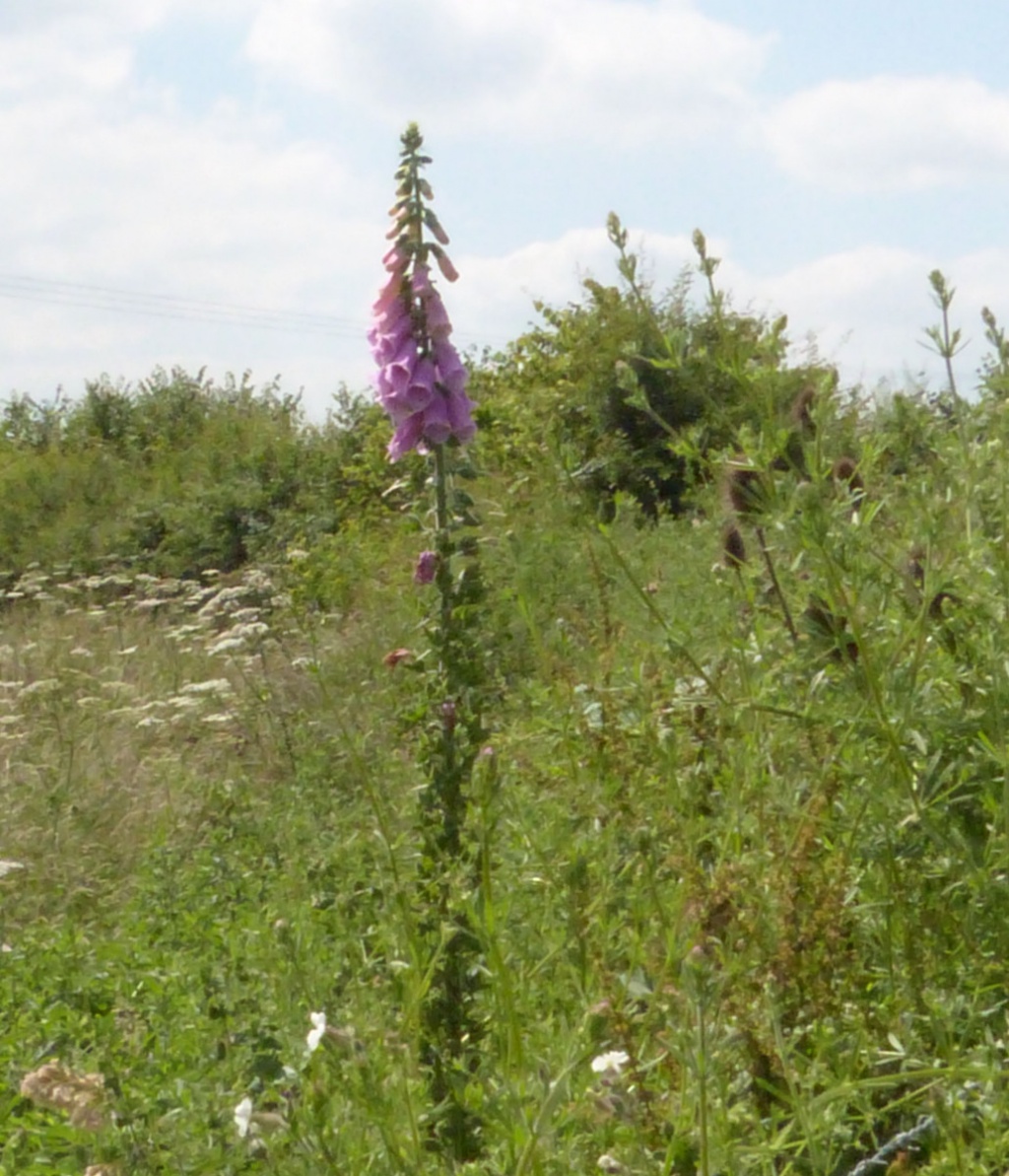
Medium to tall, leafy, hairy plant to 1.5 metres. Stems generally unbranched. Flowers pink, purple (or ocasionally white), patterned with darker spots or rings inside and borne in a spike. Flowers are 40 to 55 mm long, tubular bell shaped, hairy on lower lip inside.

Open woodland and scrub.
June to September.
Biennial or short lived perennial.
Common throughout Britain
Fairly frequent but rather localised in Leicestershire and Rutland. In the 1979 Flora survey of Leicestershire it was found in 178 of the 617 tetrads.
 Behind 'The Limes' Sapcote SP 4816 9347 (taken 4.6.2007)..JPG) Graham Calow
Graham Calow
Sapcote
04 June 2007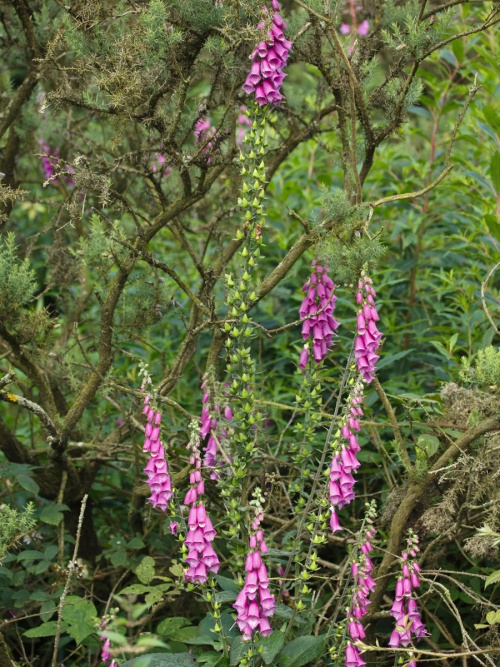 HAPeacock
Billa Barra
21 July 2012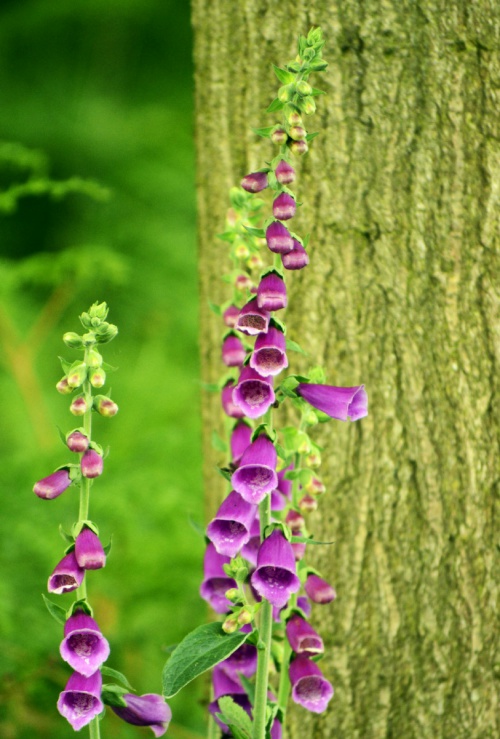 Lostash
Bradgate Park
01 June 2014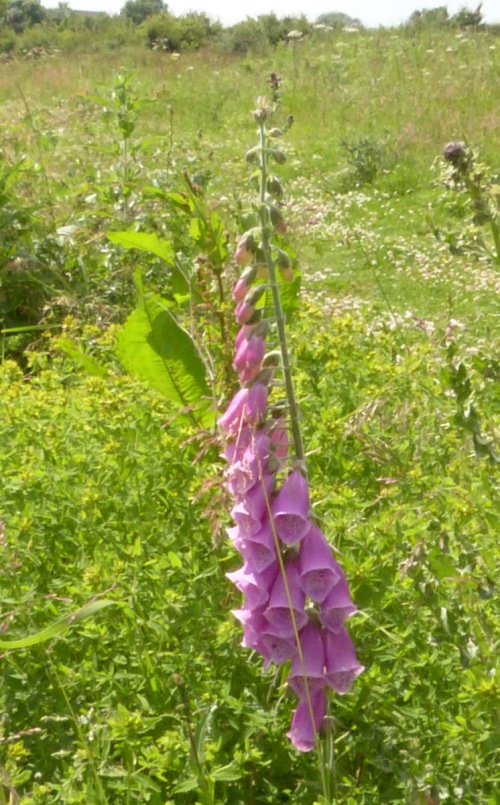 Graham Calow
Sapcote
21 June 2014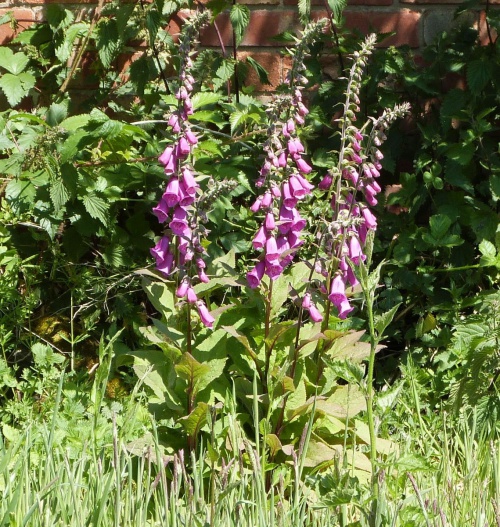 Graham Calow
Higham on the Hill
11 June 2015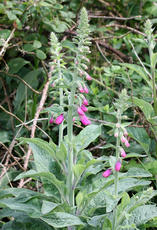 David Nicholls
Hill Hole Quarry
02 June 2011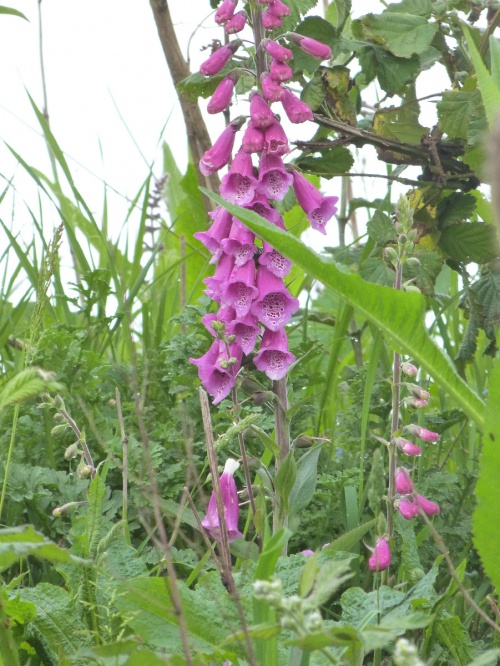 Graham Calow
Coventry Road, Sapcote
30 May 2017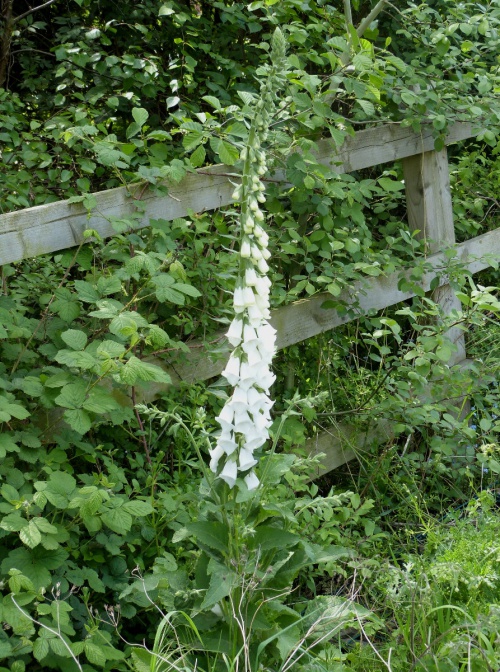 Graham Calow
Elmesthorpe
27 May 2016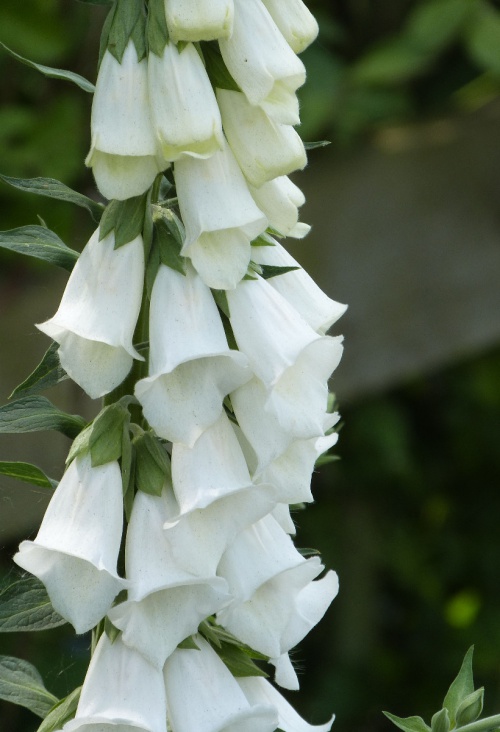 Graham Calow
Elmesthorpe
27 May 2016
 Behind 'The Limes' Sapcote SP 4816 9347 (taken 4.6.2007)..JPG)
Leicestershire & Rutland Map
Enter a town or village to see local records
MAP KEY:
Yellow squares = NBN records (all known data)
Coloured circles = NatureSpot records: 2025+ | 2020-2024 | pre-2020
UK Map
Species profile
- Common names
- Foxglove
- Species group:
- flowering plant
- Kingdom:
- Plantae
- Order:
- Lamiales
- Family:
- Veronicaceae
- Records on NatureSpot:
- 315
- First record:
- 26/04/2007 (Dave Wood)
- Last record:
- 16/06/2026 (Cook, Joni)
Total records by month
% of records within its species group
10km squares with records
The latest images and records displayed below include those awaiting verification checks so we cannot guarantee that every identification is correct. Once accepted, the record displays a green tick.
In the Latest Records section, click on the header to sort A-Z, and again to sort Z-A. Use the header boxes to filter the list.
Latest images
Latest records
 David Gould
Croft Pasture, Leics
27 June 2016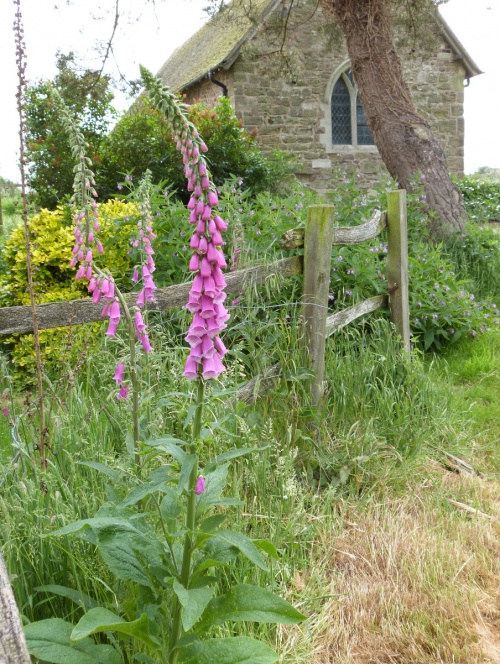 Graham Calow
Near Wigston Parva Old Churchyard
11 June 2016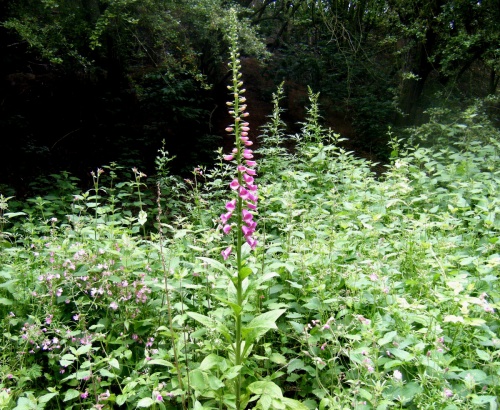 Graham Calow
Jubilee Walk Leire
13 June 2012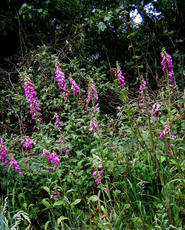 Graham Calow
Croft Hill
11 June 2011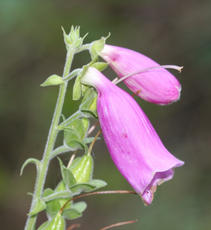 David Nicholls
Martinshaw Wood
30 June 2011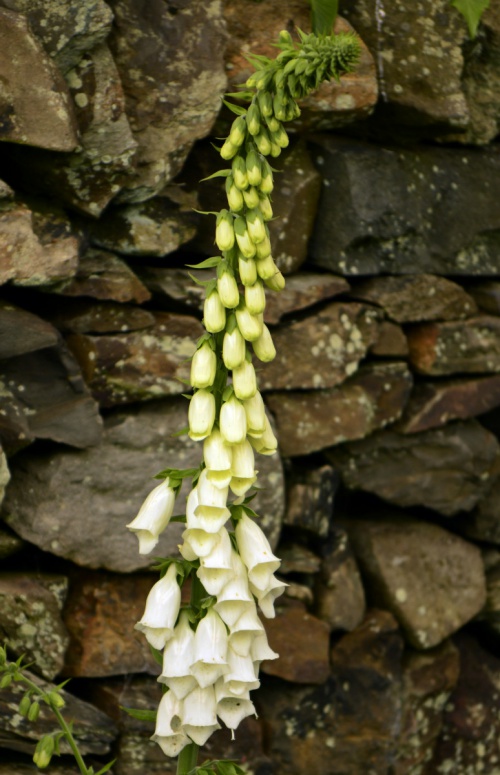 Lostash
Bradgate Park
01 June 2014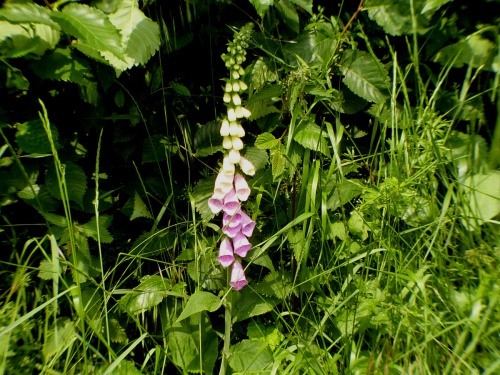 Graham Calow
Sapcote
18 June 2013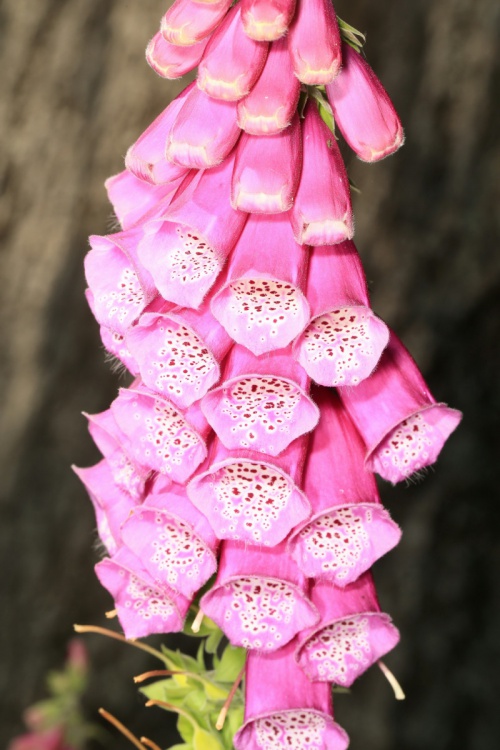 Paul Roberts
Rutland Water
09 July 2013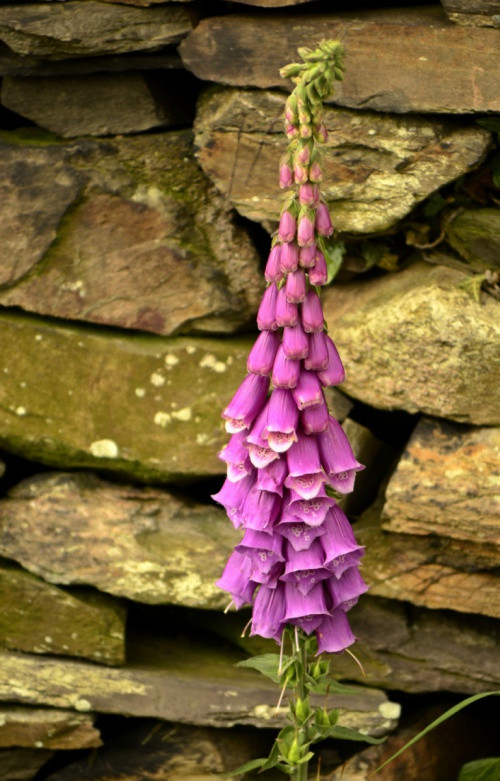 Lostash
Bradgate Park
01 June 2014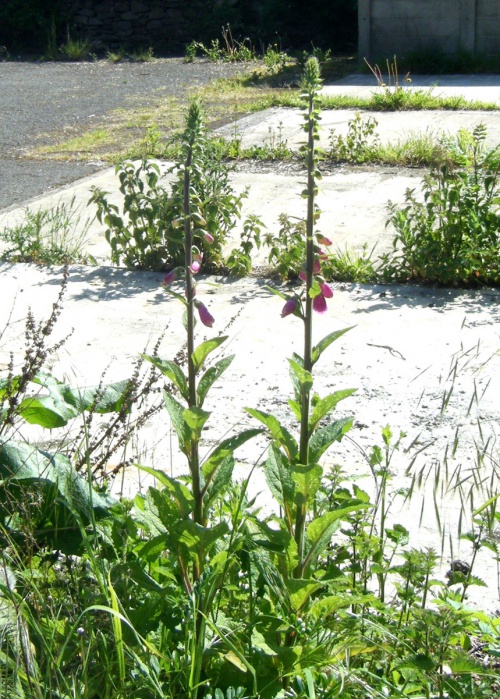 Graham Calow
Sapcote
21 May 2014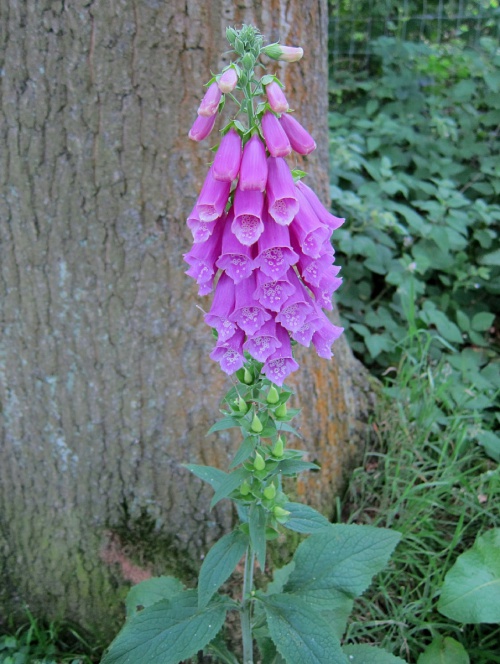 Mike Higgott
Hunt's Hill
10 July 2013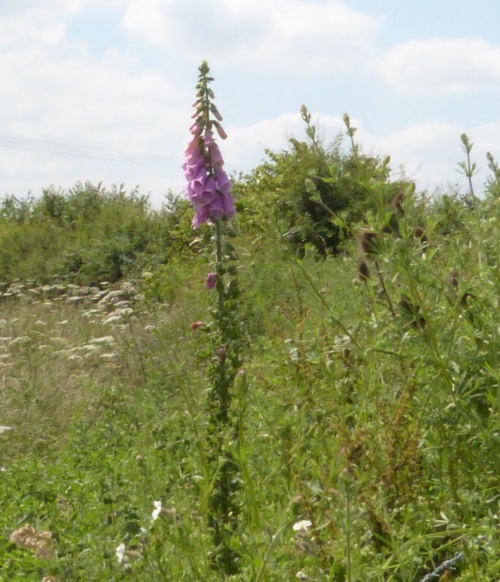 Graham Calow
Sapcote
21 June 2014
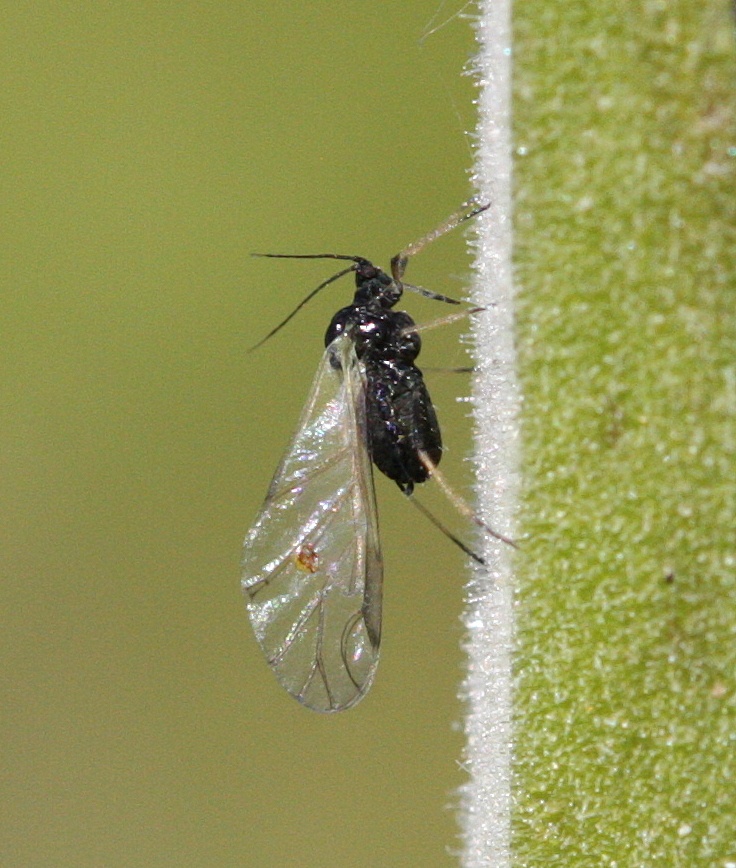
Aphis armata
The foxglove aphid Aphis armata does not host alternate. It only feeds on Foxglove.The apterae are black. Immatures often have discrete wax spots, but apterae rarely have such spots. The middle abdominal tergites in apterae are usually without dark sclerotic bands. The only reliable characteristic to differentiate the species from Aphis fabae is that the oviparae have hardly any swelling of the hind tibiae, whilst in Aphis fabae the oviparae have the hind tibiae strongly swollen. The body length of apterae is 2.2 to 2.9 mm.
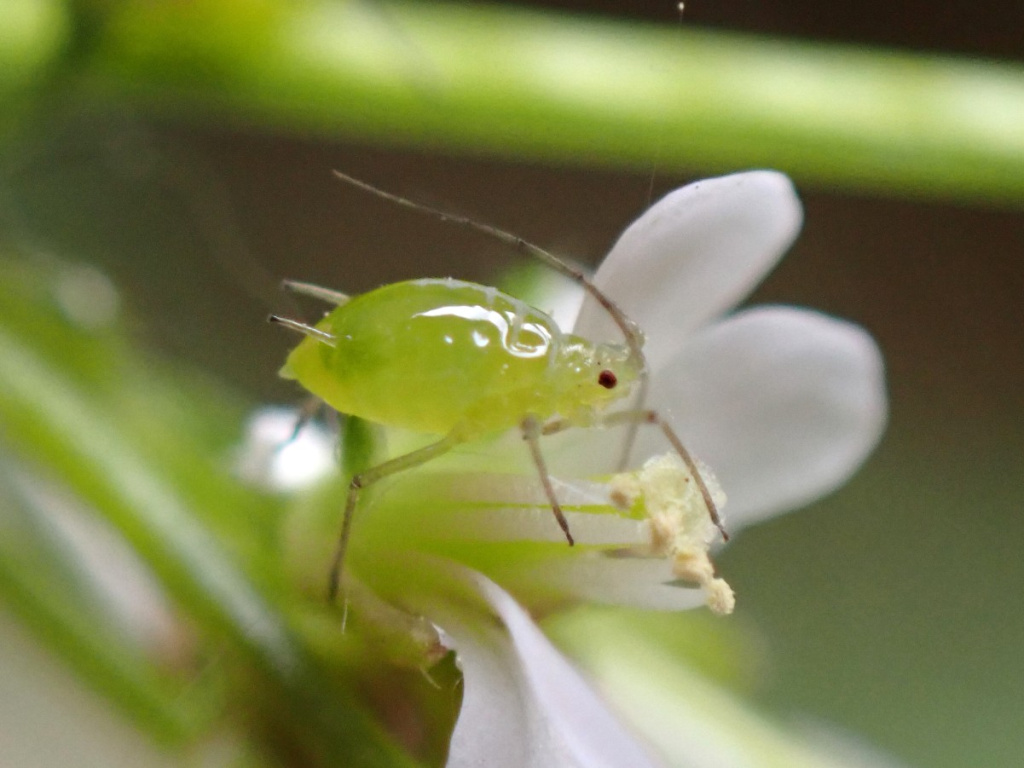
Aulacorthum solani
Aulacorthum solani feeds on a number of different plants, noteably Foxgloves and Potatoe plants. Adult apterae are green/yellowish with dark-tips to siphunculi.