

Jubilee Way (Stathern to Belvoir)
Selected Wild Place / Other Wild Places / Public Rights of Way / VC55 boundary
This part of the Vale of Belvoir is best accessed via Melton Mowbray onto the A607 towards Grantham, turning left at either Waltham on the Wolds, or at Croxton Kerrial, and then proceed along local roads. Parking is available on Wood Lane at Terrace Hills [SK797320] which is located about halfway along this stretch of the Jubilee Way, or park in the village of Stathern and walk up Toft’s Lane to join the track at SK783308.
Details of the sustainable management of the Belvoir Woods can be found at:
A frre download of a pdf describing the entire Jubilee Way long-distance walk can be found at:
https://www.ldwa.org.uk/ldp/downloads/JubileeWay-download.pdf
Site species count:
The Jubilee Way was opened in 1977, to mark the Queen’s Silver Jubilee. This twenty-mile walk starts farther south in Leicestershire and passes through Melton Mowbray on its way northwards to the Vale of Belvoir. It ends just east of Belvoir Castle at Woolsthorpe where it links with another long distance path - the Viking Way.
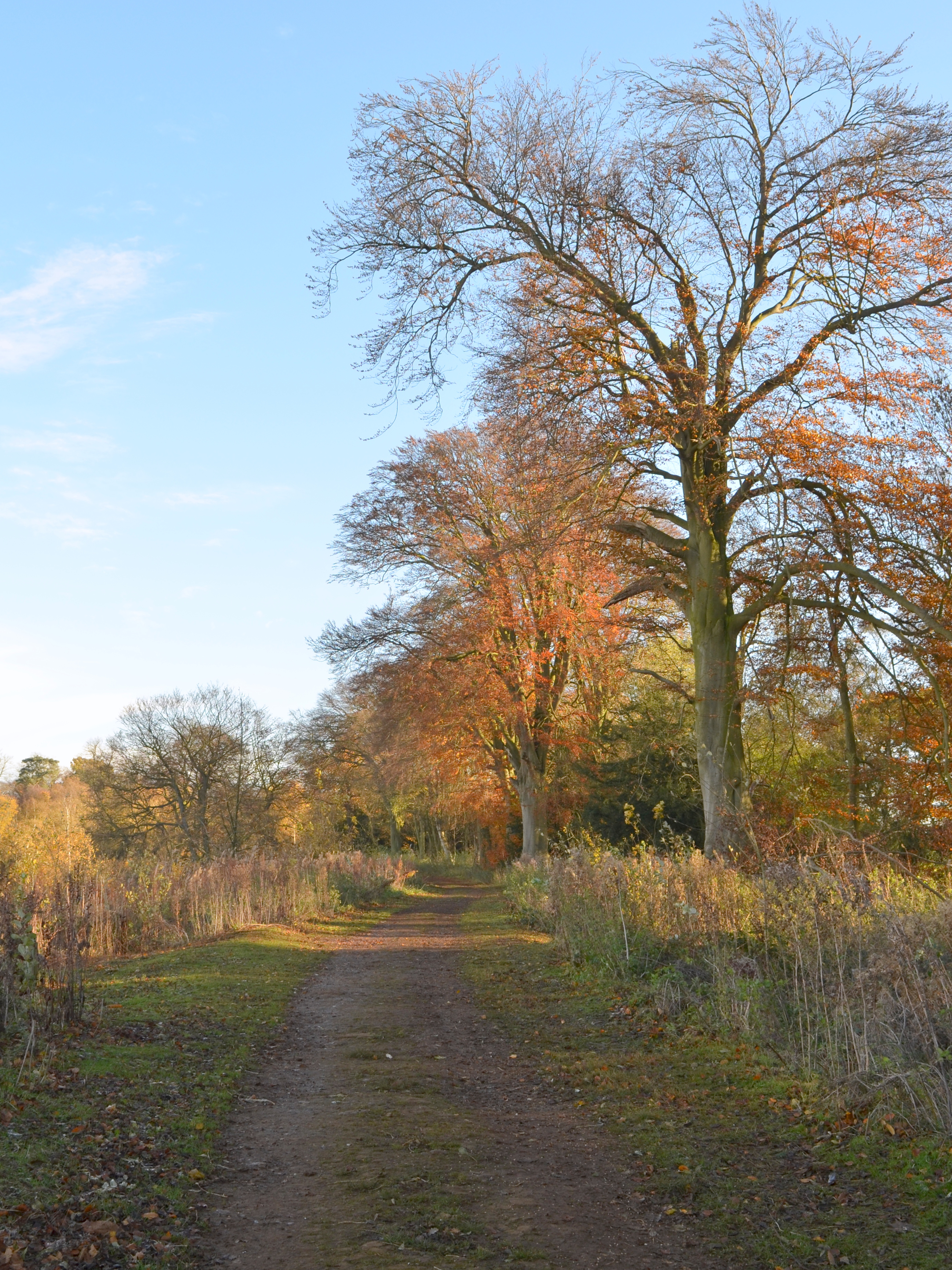
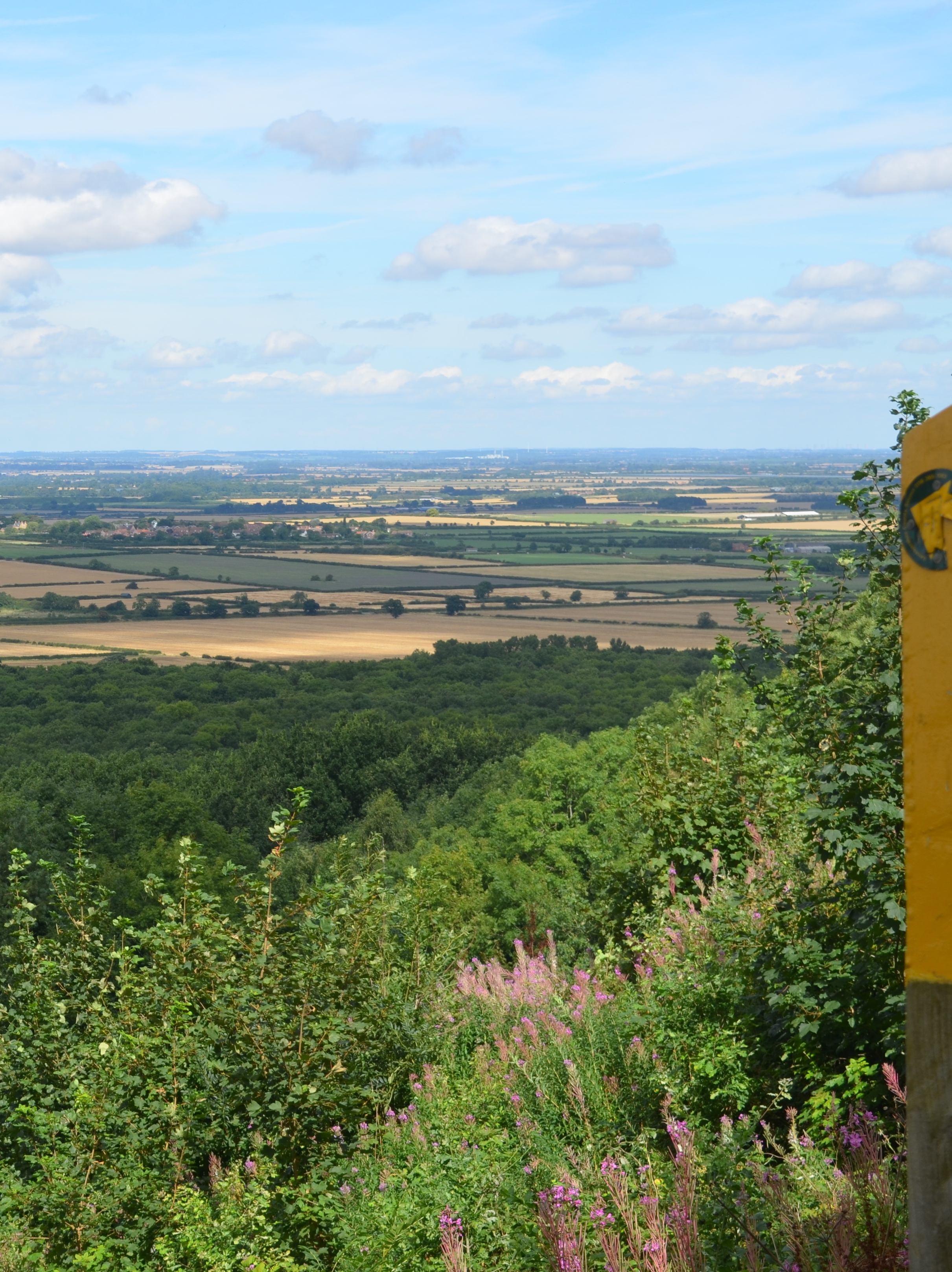
This four-mile long section of the Jubilee Way runs from Stathern north-eastwards to Belvoir and forms a bridleway through the woods of the Belvoir Estate. The woods run along a steep north-facing ridge and so the route affords spectacular views out across the Vale of Belvoir to Nottingham, Newark and beyond. In the winter months the track can get quite muddy in places.
These woods have traditionally been used as a sustainable timber resource, as demonstrated by their maturity and diversity. The area is particularly sensitive for wildlife, and visitors with dogs are requested to keep them on a lead and walkers should stick to the track at all times. The route is clearly marked by posts with the Jubilee Way (Orb) symbol.
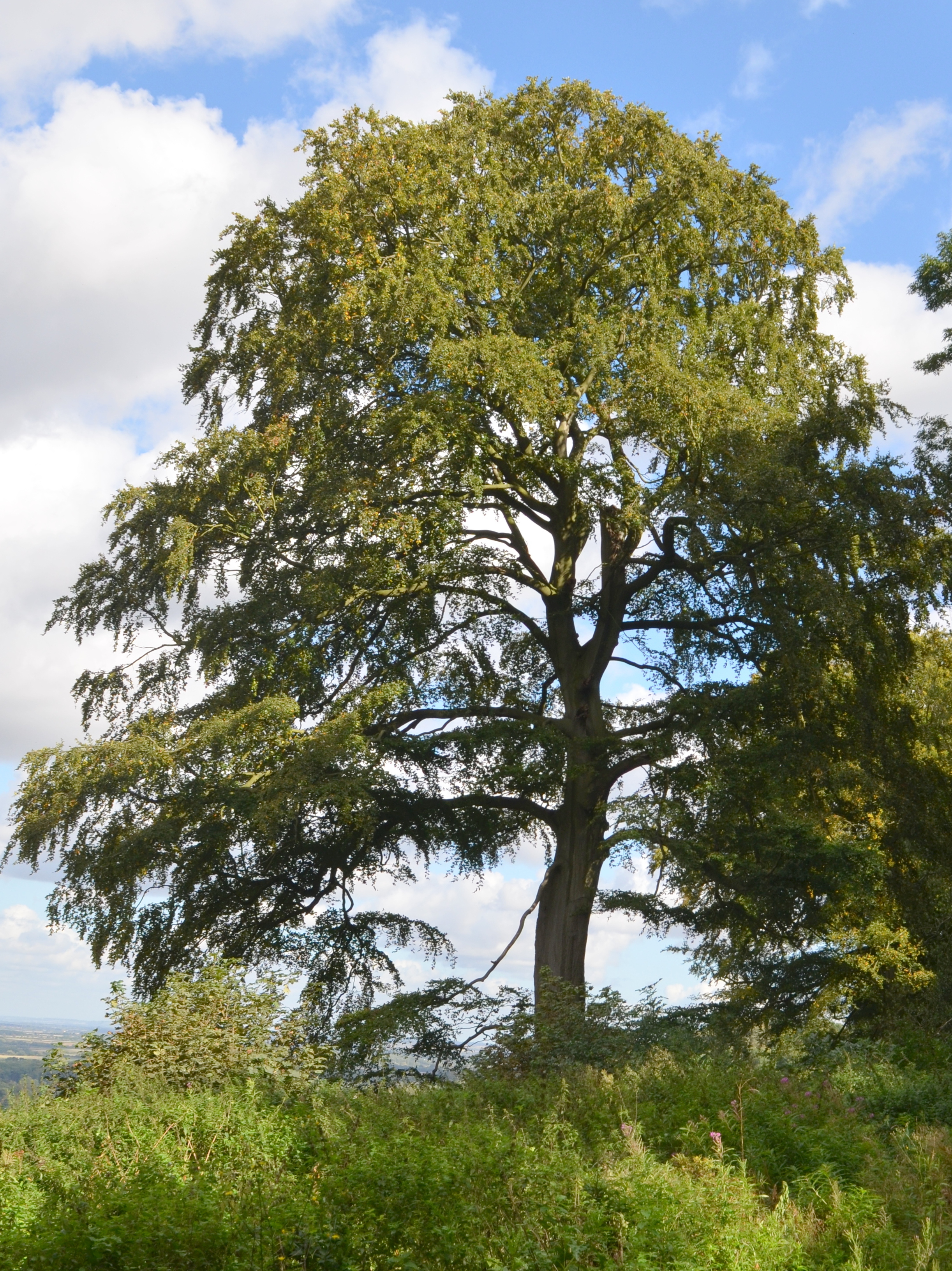
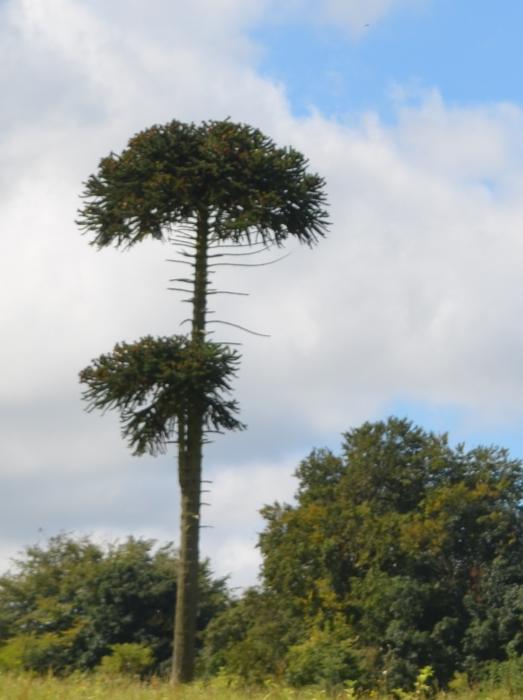 The main tree species include deciduous Oak, Beech, Sycamore, Ash, Sweet Chestnut, and Silver Birch together with conifers such as Scots Pine and Larch. At the eastern end of this section the Jubilee Way crosses open parkland with magnificent planted specimen trees of Monkey-puzzle (pictured) and Wellingtonia. In the woods the under-storey shrubs include Portugal Laurel, Rhododendron, Holly, Ivy, Snowberry and Yew, and the ground cover includes extensive patches of bramble and bracken. Wildflowers include carpets of Bluebell that flower in April to June.
Grey Squirrels are the only mammal regularly seen in the woods. Ravens and other corvids, Red Kite and Buzzard are often seen over the woods, Peregrine has been reported together with Hobby in the summer months. Most of the common woodland species are resident including five species of tit, finches, Green and Great Spotted Woodpecker, Nuthatch and Goldcrest, these are augmented in winter months by Brambling and Lesser Redpoll. However many of these woodland species live and feed high in the canopy and as a consequence they can be difficult to see whilst the trees are in leaf. Considerable numbers of Pheasant are reared for the local shoot.
Most of the usual butterfly species have been recorded especially Speckled Wood. In the autumn fungi are abundant with 25 species recorded, so examine any fallen tree trunks, branches or stumps.
The records and images below may include those from adjacent sites if the grid reference submitted with these records overlaps the boundary of this Wild Place.
The latest images and records displayed below include those awaiting verification checks so we cannot guarantee that every identification is correct. Once accepted, the record displays a green tick.
In the Latest Records section, click on the header to sort A-Z, and again to sort Z-A. Use the header boxes to filter the list.